SAEDNEWS: Humid conditions can encourage mold, unpleasant odors, and deterioration in leather. Proper drying, ventilation, storage, and conditioning can help protect leather items.
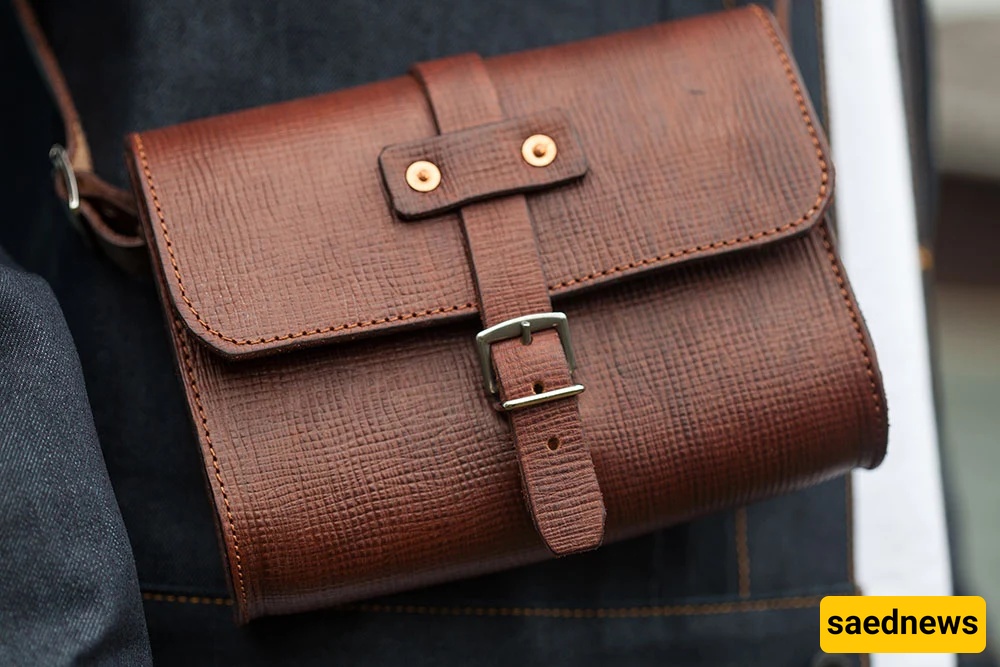
According to SAEDNEWS, leather can be particularly vulnerable to prolonged exposure to humid air. Moisture may encourage mold growth, leave an unpleasant smell, and contribute to changes in the material’s texture or appearance. Keeping leather items dry and allowing air to circulate around them are simple ways to reduce these problems.
Avoid storing leather bags, shoes, belts, or other items in sealed plastic bags for long periods when the surrounding air is humid. Instead, choose a clean, dry storage space with good air circulation. Leather items should also have enough room around them rather than being pressed tightly against other belongings.
• Store leather in a cool, dry, well-ventilated area.
• Keep items away from damp walls, wet floors, and areas with condensation.
• Allow leather to dry naturally if it becomes damp.
• Use suitable moisture-absorbing products in storage areas when needed.
• Check stored leather regularly for musty odors, discoloration, or visible mold.
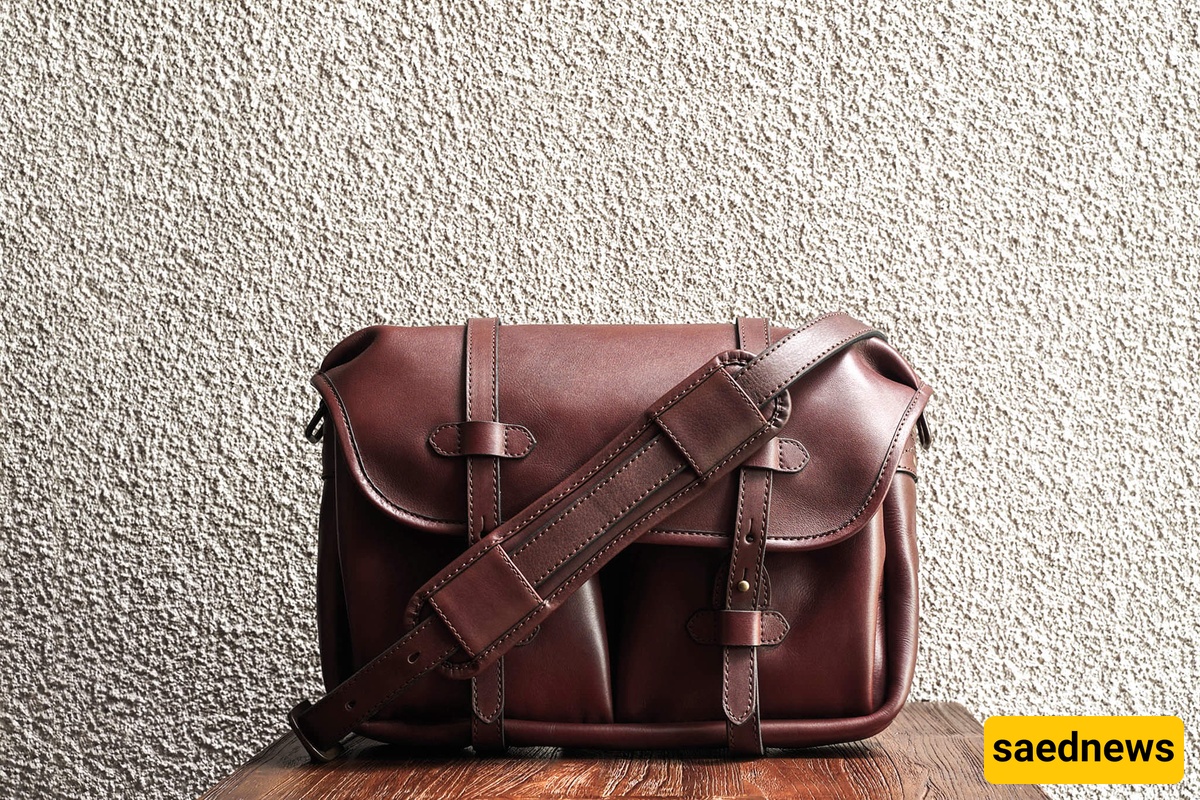
Do not place wet leather directly beside a strong heater or use intense heat to dry it. Rapid heating can affect the material and may cause unwanted changes in its surface. Instead, gently remove excess moisture with a clean, absorbent cloth and leave the item in a well-ventilated area away from direct heat.
Once the leather is completely dry, follow the care instructions provided for that particular item. Some leather products may benefit from an appropriate leather conditioner, while others may require a specific care product.
Seasonal humidity can make long-term storage especially challenging. Before putting leather items away, make sure they are clean and completely dry. Periodically taking them out of storage and checking their condition can also help identify moisture-related problems before they become more difficult to manage.
With good ventilation, careful drying, suitable storage, and product-specific care, leather items can be better protected from the effects of humid weather.