SAEDNEWS: If you’re looking for an accurate answer to how many calories are in mulberry fruit leather (Lavashak), this article provides the details. It explores its nutritional value, compares homemade and commercially produced Lavashak, and examines the potential benefits and drawbacks of consuming it.
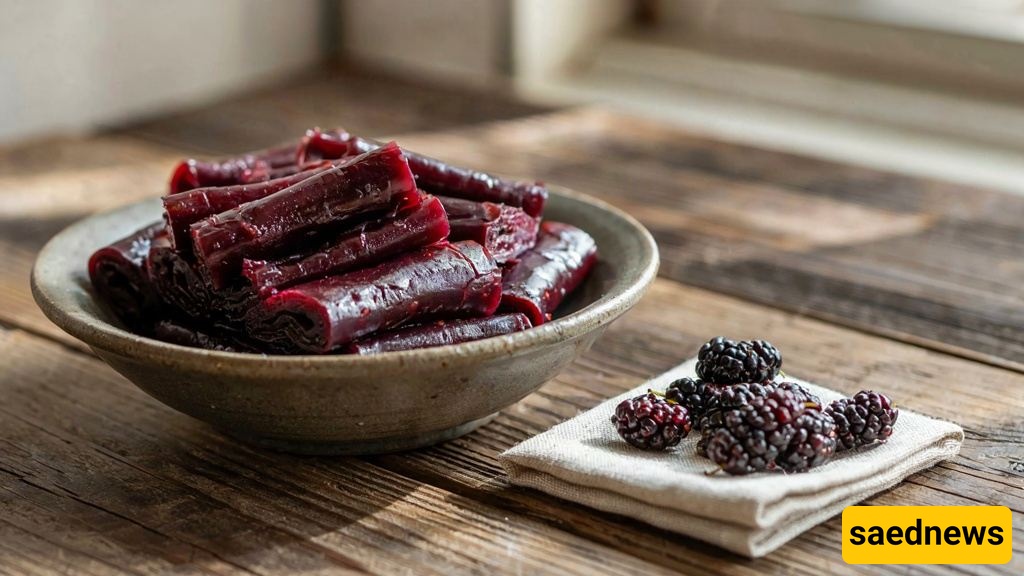
According to Saednews, Among Iran’s traditional and nostalgic snacks, fruit leather holds a special place in many families’ snack choices. Its sweet-and-sour flavor has made it a popular treat for both children and adults.
Among the many varieties available, black mulberry fruit leather stands out because of its attractive color, distinctive aroma, and unique flavor. However, if you care about your health or are following a structured diet, you may have wondered: How many calories does black mulberry fruit leather contain, and what is its nutritional value?
Although fruit leather is often considered nothing more than a low-value snack, black mulberries and products made from them contain several valuable nutrients. At the same time, the fruit-leather production process involves removing much of the fruit’s water, which significantly increases the calorie concentration compared with fresh fruit.
This article provides a detailed look at the calories and nutritional profile of black mulberry fruit leather, compares homemade and commercial varieties, and examines its potential benefits, drawbacks, purchasing considerations, and proper storage.
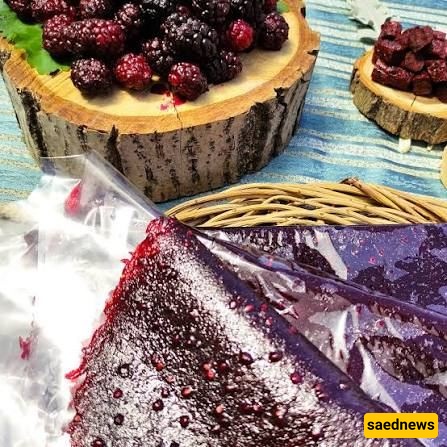
Black mulberry is the fruit of the Morus nigra tree. It is known for its sweet-tart taste and antioxidant compounds. To make fruit leather, ripe mulberries are first washed and prepared before being cooked until soft.
The cooked fruit is then strained to remove skins and small seeds. The resulting concentrated puree is spread onto suitable trays and dried in the sun or in a food dehydrator. As the water evaporates, the puree turns into a thin, chewy, flexible sheet.
This concentration process explains why fruit leather can contain considerably more calories per 100 grams than fresh fruit. Removing water leaves the naturally occurring sugars and other nutrients concentrated in a smaller amount of food.
The calorie content of fruit leather varies considerably depending on how much sugar is added and how much moisture remains in the finished product.
Fresh black mulberries: Approximately 43–48 calories per 100 grams, making them a relatively low-calorie fruit.
Commercial black mulberry fruit leather: Depending on the brand and recipe, approximately 350–380 calories per 100 grams. Added sugar, glucose syrup, or sucrose can substantially increase the calorie content.
Homemade black mulberry fruit leather: When prepared without added sugar, or with only a small amount of sweetener, it may provide roughly 250–280 calories per 100 grams.
A typical 30–40 gram sheet can therefore contain approximately 100–150 calories, depending on its ingredients and moisture level.
The following figures represent approximate values for a commercial black mulberry fruit leather with a standard sugar content:
Nutrient | Approximate amount per 100 g | Notes |
|---|---|---|
Energy | 350–380 kcal | Mainly supplied by carbohydrates |
Carbohydrates | 85–90 g | Includes natural and added sugars |
Sugars | 65–75 g | May contribute to a rapid rise in blood glucose |
Dietary fiber | 4–6 g | Concentration can increase the amount per unit weight |
Protein | 1.5–2.5 g | Relatively small amount |
Fat | 0.5–1 g | Generally very low in fat |
Iron | 2.5–3.5 mg | Contributes to normal iron intake |
Potassium | 250–300 mg | Important for muscle and fluid balance |
Calcium | 30–40 mg | Supports bone health |
Magnesium | 20–30 mg | Involved in metabolism and nerve function |
Important: Actual nutritional values can vary significantly according to the fruit-to-sugar ratio, recipe, drying method, and manufacturer.
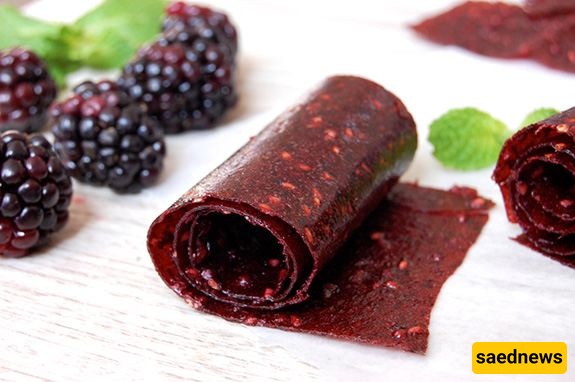
The difference between homemade and commercial fruit leather is not simply a matter of taste. Ingredients and preparation methods can have a major influence on nutritional quality.
Commercial products may contain added sugar, glucose syrup, salt, preservatives, flavorings, or food coloring, depending on the manufacturer. These ingredients can increase the calorie and sugar content or alter the nutritional profile.
Some products may also have a long shelf life because of their formulation and packaging. For this reason, checking the ingredient list and nutrition label is important before purchasing.
Homemade fruit leather gives you much greater control over the ingredients. You can reduce or eliminate added sugar and use a higher proportion of fruit puree.
However, homemade products are not automatically healthier in every respect. Excessive use of honey, dates, or sugar can still increase calorie and sugar content. In addition, inadequate drying, poor hygiene, or improper storage can increase the risk of spoilage or microbial contamination.
When consumed in moderation and prepared from a high proportion of fruit, black mulberry fruit leather can provide several nutritional benefits.
Because fruit leather is concentrated and relatively rich in carbohydrates, it can provide a quick source of energy. A small portion may be convenient before or during activities that require additional fuel.
Fruit leather made from substantial amounts of fruit can provide dietary fiber. Fiber contributes to normal digestive function and can support regular bowel movements.
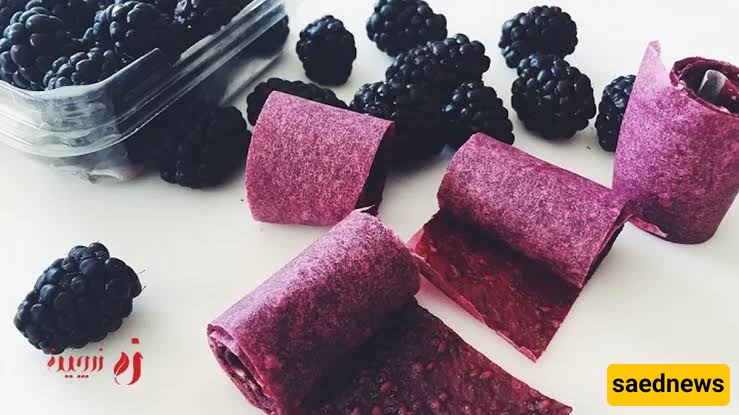
Black mulberries contain minerals such as potassium, magnesium, calcium, and iron. Some of these nutrients remain in the fruit leather after processing, although the exact amount depends on the recipe and preparation method.
Fresh black mulberries are rich in anthocyanins and other antioxidant compounds responsible for their dark purple color. Processing and heating can reduce some heat-sensitive compounds, but a portion of the fruit’s antioxidant components may remain in the finished product.
It is important not to interpret the presence of antioxidants as proof that fruit leather prevents or treats cancer or other diseases.
Fruit leather can fit into a balanced diet, but some people should pay particular attention to portion size and product ingredients.
Commercial fruit leather can contain substantial amounts of added and naturally concentrated sugars. People with diabetes or other blood-glucose concerns should check the nutrition label, consider portion size, and account for the product within their overall carbohydrate intake.
Because fruit leather is calorie-dense and relatively low in protein and fat, it may be easy to consume a large amount without feeling particularly full. Portion control is therefore important when managing calorie intake.
Very sweet snacks can encourage a preference for highly sweetened foods. Commercial products may also contain ingredients that parents may prefer to limit. For young children, the product’s ingredients, texture, portion size, and overall diet should all be considered.
Some commercial fruit leathers may contain added salt. If sodium intake is a concern, check the nutrition label and choose products with lower sodium content.
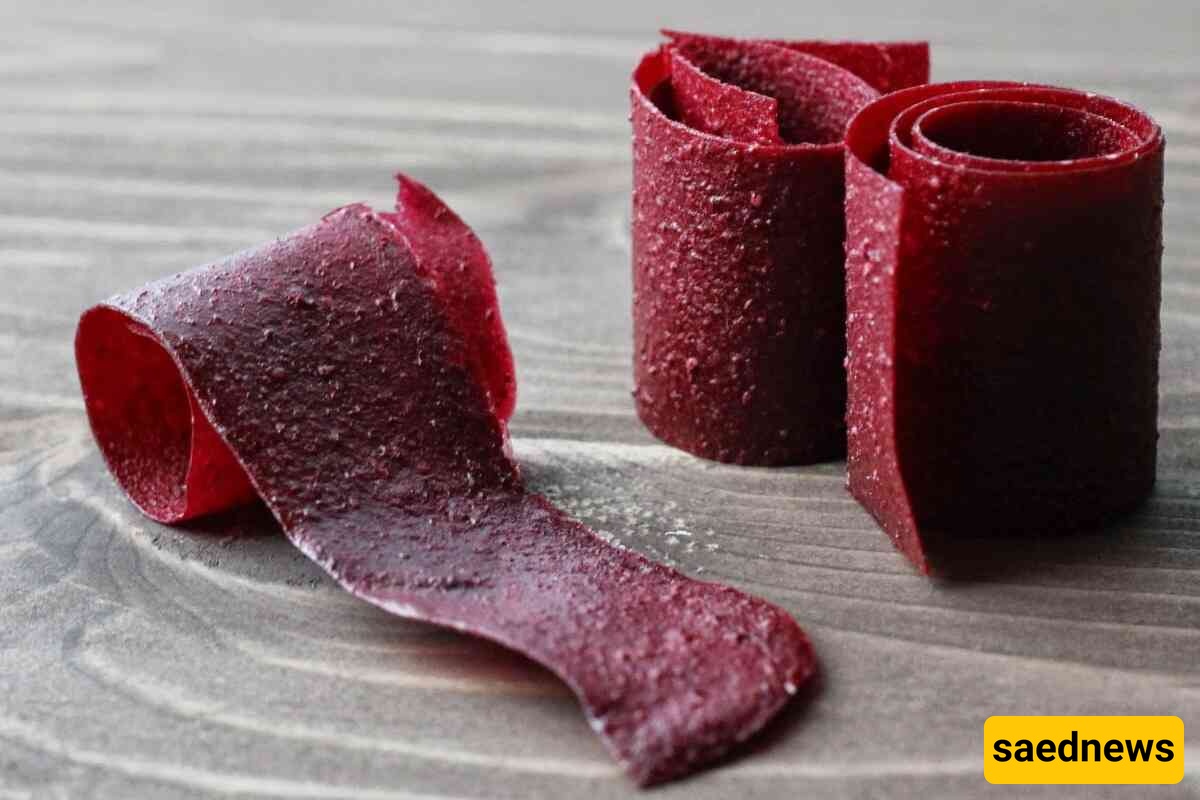
Fruit leather can be sticky and may remain on the teeth for longer than many fresh fruits. Its sugars and natural fruit acids can contribute to dental problems when consumed frequently. Rinsing the mouth with water afterward and maintaining good oral hygiene can help reduce the risk.
When buying commercial fruit leather, check the ingredient list carefully. Ideally, look for products in which black mulberry puree is prominent and added sugars are limited. Products without unnecessary artificial colors or excessive additives may also be preferable.
For storage, keep fruit leather tightly wrapped or in an airtight container. Refrigeration can help protect it from moisture, spoilage, and mold. Homemade fruit leather generally has a shorter shelf life than commercially packaged products, and storage duration depends heavily on its moisture level, preparation method, packaging, and hygiene.
Avoid leaving fruit leather exposed to heat, direct sunlight, or humid conditions.
Black mulberry fruit leather is a concentrated fruit snack with a significantly higher calorie density than fresh black mulberries. A commercial variety may contain around 350–380 calories per 100 grams, while homemade versions made without substantial added sugar may contain fewer calories.
Its nutritional value depends heavily on the amount of actual fruit used, added sugars, processing conditions, and moisture content. For most people, the key is moderation and careful product selection rather than completely avoiding the snack.
If you want a healthier option, homemade fruit leather made primarily from black mulberries, with little or no added sugar and proper hygienic drying and storage, can be a better choice than heavily sweetened commercial varieties.