SAEDNEWS: Keeping flammable materials, heat-sensitive items, and unnecessary clutter away from the stove can reduce fire risks and make cooking safer.
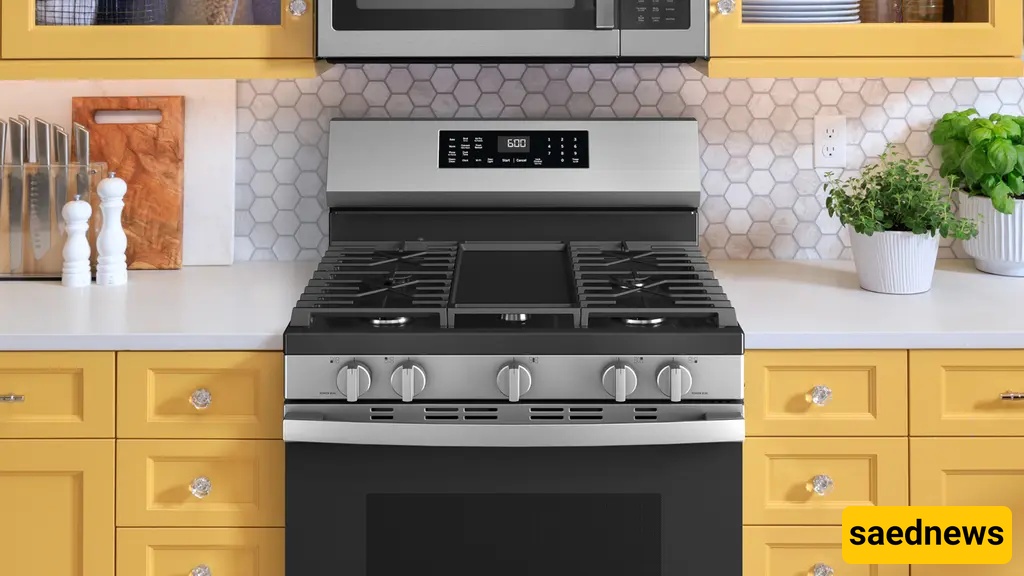
According to SAEDNEWS, the area around a stove should be kept as clear as possible because heat, open flames, and cooking splashes can create avoidable hazards. Some everyday kitchen items are particularly unsuitable for storage beside or directly above the stove.
1. Paper Towels and Paper Products
Paper towels, napkins, cardboard packaging, and paper bags can catch fire if they come too close to a burner or hot cookware. Store them in a cabinet or holder positioned well away from direct heat.
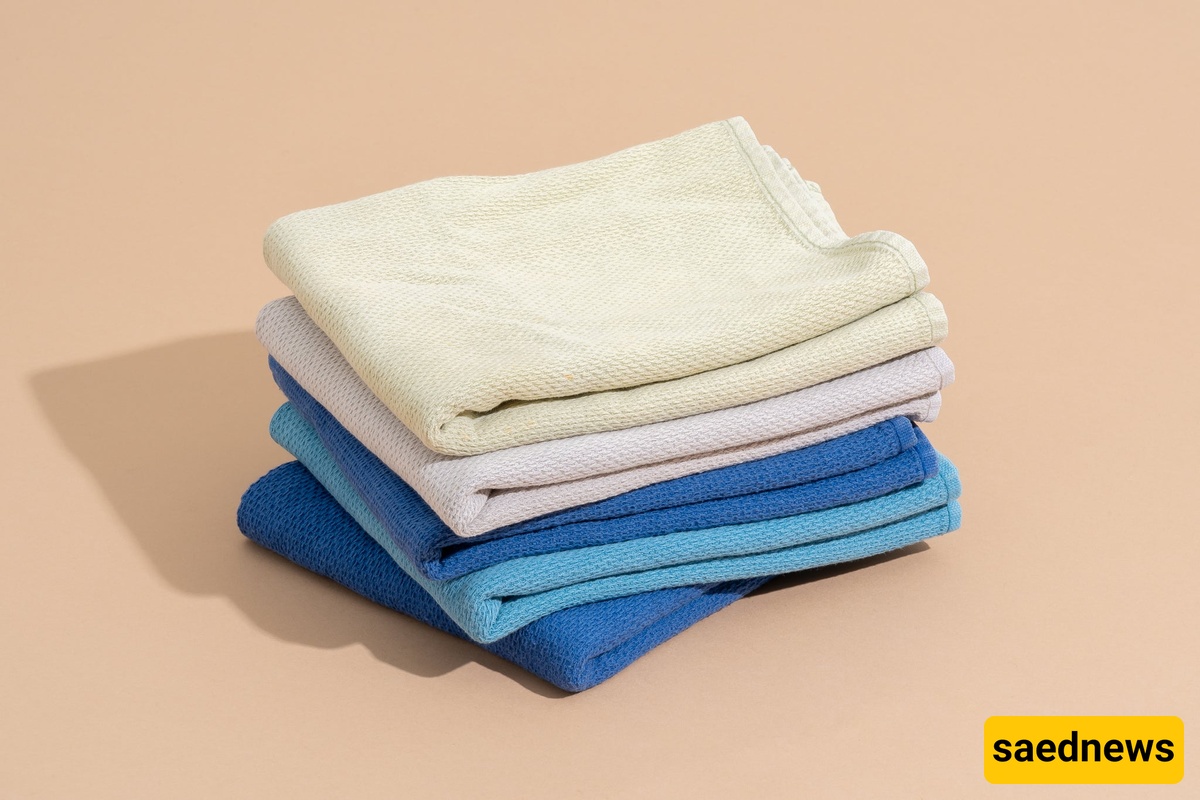
2. Kitchen Towels and Cloths
Dish towels, oven mitts, and reusable cleaning cloths should not be left beside the stove. A loose cloth can accidentally touch a hot surface or open flame, particularly when someone is moving a pan or reaching across the cooking area.
3. Plastic Containers and Bags
Plastic can soften, deform, or melt when exposed to high temperatures. Some plastic materials may also release unpleasant fumes when overheated. Keep food containers, plastic bags, and plastic utensils in a cooler storage area.
4. Wooden Utensils and Cutting Boards
Wooden spoons, spatulas, and cutting boards are common kitchen tools, but they should not be stored immediately beside burners. Keeping them farther away reduces the chance of accidental contact with flames or hot surfaces.
5. Aerosol and Pressurized Containers
Sprays and other pressurized containers should be kept away from heat sources. Exposure to high temperatures can increase pressure inside a container, so these products are better stored in a cool, suitable location according to their labels.
6. Cleaning Products
Dishwashing liquids, surface cleaners, and other household cleaning products do not belong next to the stove. Heat and cooking splashes can damage their packaging, while keeping chemicals away from food-preparation areas also helps maintain better kitchen organization.
Instead of using the area immediately beside the burners as general storage, keep it limited to items that are designed to tolerate normal kitchen conditions. Before cooking, check that towels, packaging, utensils, and other loose objects are not within easy reach of the flame or hot cooking surface.
A simple rule is useful: if an item can melt, burn, or become damaged by heat, it should have a designated storage place away from the stove. Keeping the cooking zone clear not only reduces potential hazards but also gives you more room to handle hot pans safely.