SAEDNEWS: Many pets fear vacuum cleaners because of their loud noise, unfamiliar movement, and sudden changes in their environment. Understanding the reasons behind this reaction can help owners reduce stress and create a calmer home.
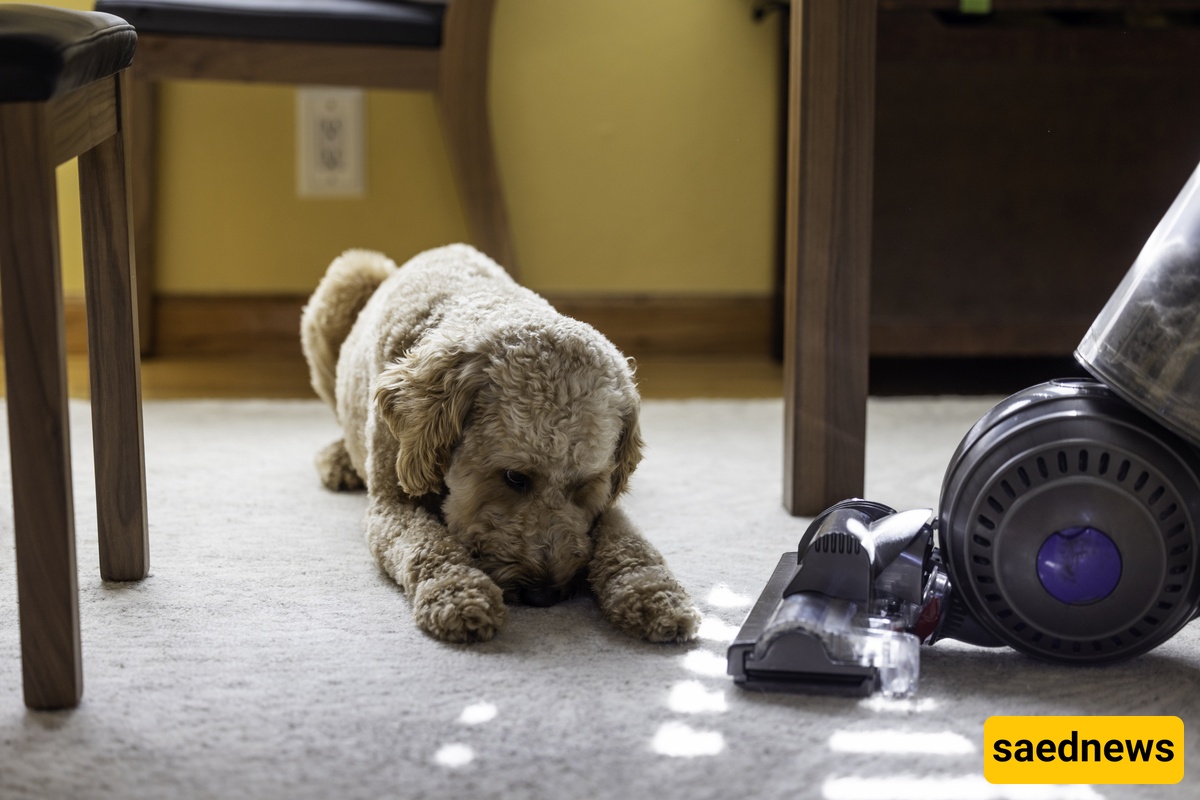
According to SAEDNEWS, many pets become nervous or frightened when they hear a vacuum cleaner because the device creates a combination of unusual sounds, vibrations, and movements that animals may perceive as threatening. Dogs and cats often rely heavily on their senses of hearing and smell to understand their surroundings, so a loud machine suddenly moving through their living space can feel unpredictable.
Pets do not understand the purpose of a vacuum cleaner in the same way humans do. Instead, they react to what they experience through their senses. Some common reasons for fear include:
• Loud and unfamiliar sounds: Vacuum cleaners produce noises that are much stronger and less predictable than everyday household sounds.
• Sudden movement: The machine moves quickly across floors and may appear to approach the animal unexpectedly.
• Strong vibrations: The movement of the vacuum cleaner can create vibrations that some pets find uncomfortable.
• Loss of control: Animals often feel safer when they can predict what happens around them. A noisy object that moves independently may create stress.
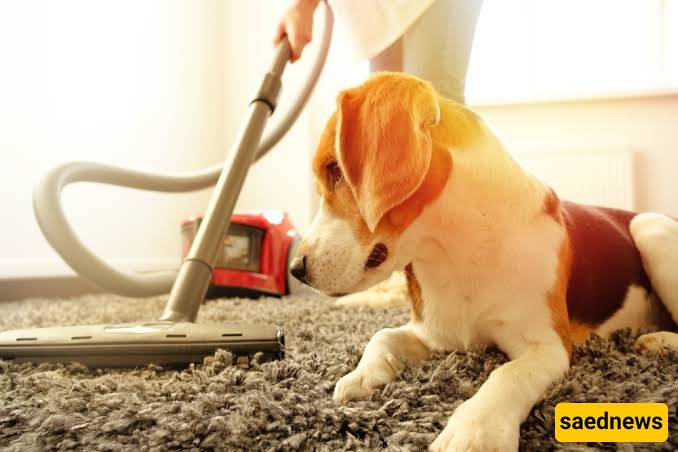
Fear of unfamiliar objects is a natural response in many animals. In the wild, sudden sounds or strange movements can signal possible danger, so animals may instinctively become alert or try to escape. Even domesticated pets can maintain some of these protective behaviors.
Cats, for example, may hide when they hear a vacuum cleaner because they prefer quiet spaces and often react strongly to changes in their environment. Dogs may bark, run away, or try to investigate the machine depending on their personality and previous experiences.
A calm and gradual approach can help pets become more comfortable around household appliances. Helpful strategies include:
Introduce the vacuum cleaner slowly
Allow the pet to see the vacuum cleaner while it is turned off. Giving them time to investigate it without noise can reduce uncertainty.
Create a safe area
Make sure the pet has a quiet place where they can move away from the sound if they feel stressed.
Avoid forcing interaction
Bringing a frightened animal close to the vacuum cleaner may increase anxiety. Letting the pet choose the distance can help them feel more secure.
Use positive associations
Rewarding calm behavior with attention or a suitable treat can help some pets associate the vacuum cleaner with a less negative experience.
Occasional nervousness around a vacuum cleaner is common, but extreme reactions may indicate that a pet is experiencing significant stress. Signs of stronger fear can include:
• Persistent hiding during cleaning
• Excessive shaking or panic
• Attempts to escape or damage household items
• Long-lasting changes in normal behavior after the vacuum is used
If a pet shows severe or ongoing stress responses, consulting a veterinarian or qualified animal behavior professional may help identify suitable ways to support the animal.
Understanding that pets are reacting to a confusing and intense experience, rather than simply being “afraid of a machine,” allows owners to respond with patience. With gradual exposure and a supportive environment, many animals can become more comfortable when vacuum cleaners are used at home.