SAEDNEWS: The secretary of the Iran Asthma and Allergy Association says that more than 80% of asthma cases in children and about 50% of asthma cases in adults are caused by allergies.

According to Saednews, Doctors warn that allergenic proteins found in the skin, hair, saliva, and waste of animals such as cats, dogs, birds, rodents, livestock, and even insects can spread through indoor air and worsen asthma attacks in susceptible individuals.
Dr. Mohammad-Hassan Bamaniyan, allergy subspecialist, secretary of the Iranian Asthma and Allergy Association, and full professor at Iran University of Medical Sciences, explains that not all asthma patients are sensitive to pets—only those with allergic asthma are affected.
According to him:
More than 80% of childhood asthma and about 50% of adult asthma cases are allergy-related.
The immune system in these individuals is overactive and reacts quickly to environmental substances.
Animal-derived proteins—especially from saliva, skin particles, feathers, and body debris—can trigger allergic reactions.
Animal allergens, especially from cats, are highly persistent in the environment and may remain active for up to six months. These particles:
Do not stay only on animal fur
Become airborne
Spread through household ventilation systems
Enter the respiratory system and trigger symptoms
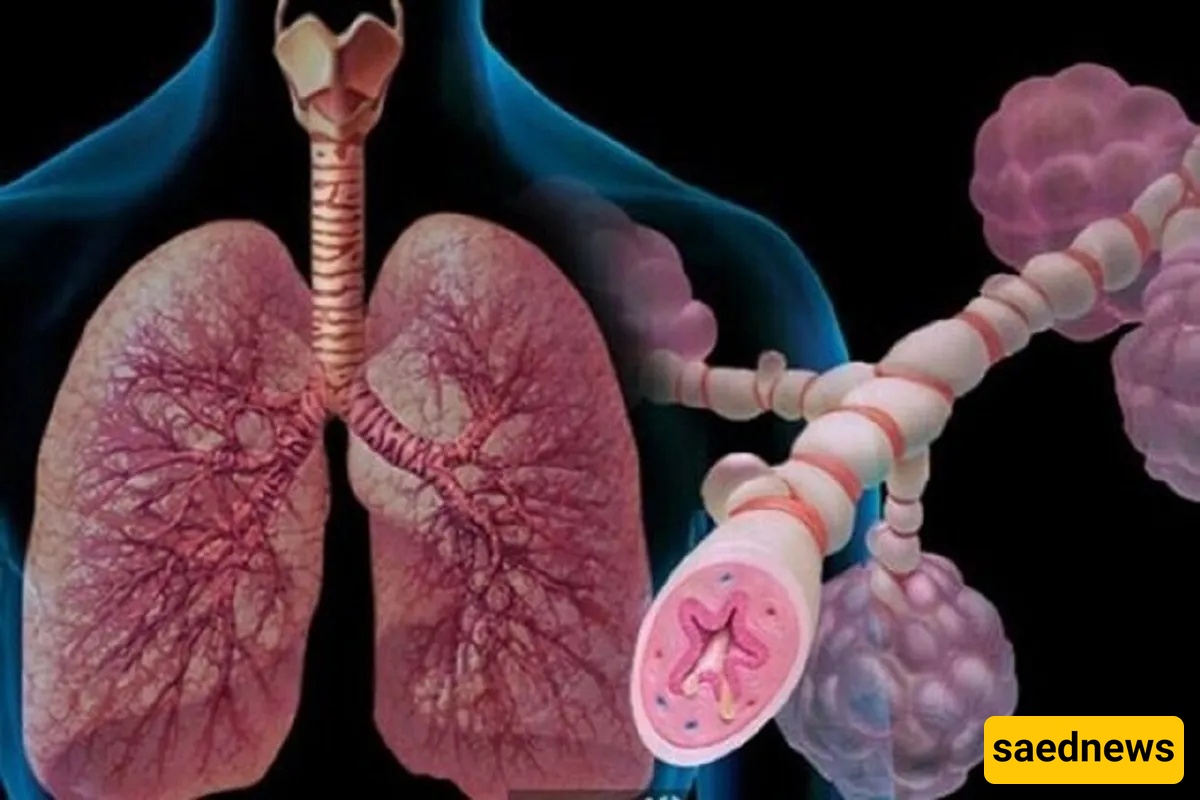
Exposure to these allergens may cause:
Nasal allergies: inflammation, swelling, runny nose, sneezing, itching
Asthma symptoms: airway inflammation, breathing difficulty, wheezing (respiratory “whistling” sound), coughing
Severe cases: potentially life-threatening asthma attacks
Experts emphasize that washing pets, trimming fur, vaccination, or veterinary care does not eliminate allergens, because the problem is not disease-related but protein-based immune sensitivity.
Some emerging or suggested approaches include:
Special diets for cats to reduce allergenic proteins in saliva (still under research)
Allergy immunotherapy (vaccination-based desensitization for patients)
In many cases, the most effective and practical solution is avoiding pet ownership for sensitive individuals
Doctors warn that while not all asthma patients are at risk, those with allergic asthma can experience severe reactions, and in extreme cases, exposure may even become life-threatening.
The expert also notes that inhaler availability is currently stable, but prices have increased significantly, and insurance coverage is often insufficient, raising treatment costs for patients.
Topic | Explanation |
|---|---|
Main trigger | Proteins in skin, saliva, feathers, and waste of animals |
At-risk group | People with allergic asthma |
Duration of allergens | Up to 6 months in indoor environments |
Main symptoms | Sneezing, nasal inflammation, wheezing, coughing, breathing difficulty |
Most persistent allergen source | Cats |
Misconception | Washing pets removes allergens (it does not) |
Severe risk | Possible life-threatening asthma attacks in sensitive individuals |
Management options | Immunotherapy, research diets, or avoiding exposure |
Treatment issue | Rising cost of inhalers and limited insurance coverage |