SAEDNEWS: Some everyday household items can trap surprising amounts of dust. Knowing where dust accumulates helps create a cleaner and healthier living environment.
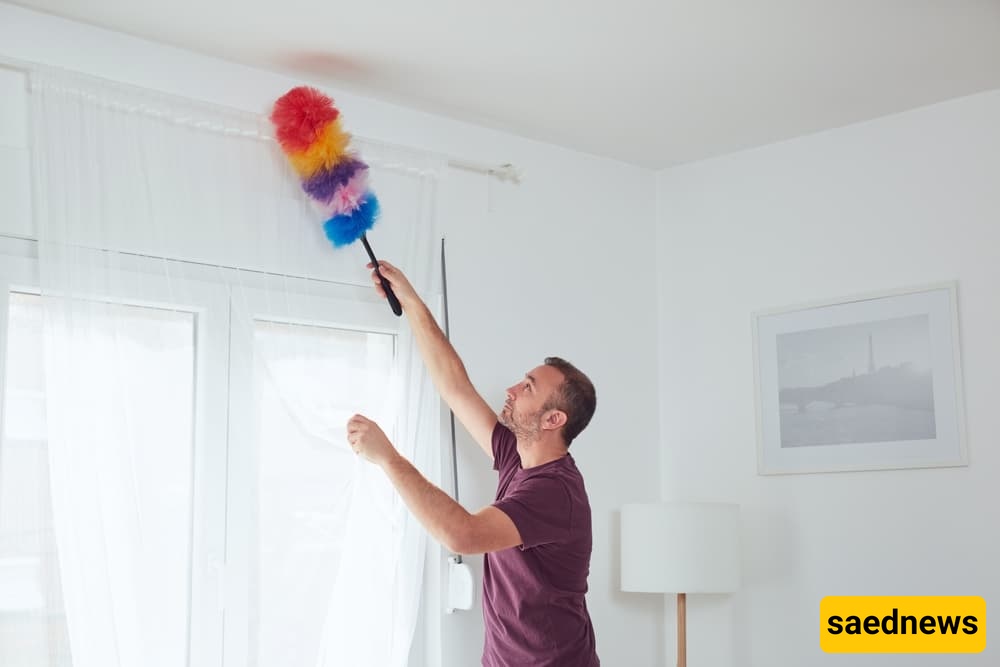
According to SAEDNEWS, dust does not only gather on obvious surfaces such as shelves and floors. Many commonly used household items can quietly collect dust because of their materials, shape, location, or how often they are cleaned.
Some items are easy to overlook during regular cleaning routines, even though they can hold dust particles for long periods. Common examples include:
Curtains and fabric blinds
Textile materials can trap dust, pet hair, and small particles from the air. Curtains that are rarely washed may gradually become a significant source of indoor dust.
Carpets and rugs
Their fibers can capture dust, crumbs, and other particles that are difficult to remove completely with simple sweeping. Regular vacuuming can help reduce the buildup.
Decorative items
Picture frames, ornaments, artificial plants, and small decorations often remain untouched during cleaning, allowing dust to accumulate on their surfaces.
Electronic devices
Televisions, computers, keyboards, and other electronics can attract dust because of static electricity and their frequent placement in living areas.

Dust can collect in places that are not part of everyday cleaning habits. These areas include:
Top surfaces of furniture
The upper parts of cabinets, wardrobes, and tall shelves are often outside the usual cleaning path but can gather thick layers of dust over time.
Ceiling fans and light fixtures
These items are frequently overlooked because they are above eye level. When used, they may spread accumulated dust back into the room.
Mattresses and pillows
Bedding materials can collect skin particles and dust over time. Washing removable covers and following proper care instructions can help maintain cleanliness.
Air vents and filters
Heating and cooling systems can collect airborne particles, and neglected filters may reduce indoor air quality.
The amount of dust an object collects depends on several factors:
Material: Fabrics and textured surfaces usually hold more particles than smooth surfaces.
Location: Items near windows, doors, or high-traffic areas may receive more dust exposure.
Cleaning frequency: Objects that are rarely moved or wiped tend to accumulate more dust.
Air movement: Fans, vents, and open spaces can distribute dust throughout the home.
A few practical habits can make cleaning more effective:
Clean from higher surfaces to lower ones so dust does not settle on already-clean areas.
Wash or vacuum fabric items regularly according to their care instructions.
Pay attention to overlooked places such as behind furniture and above cabinets.
Use suitable cleaning tools, such as microfiber cloths, to capture dust instead of simply moving it around.
Keep frequently used areas organized to make regular cleaning easier.
Dust is a normal part of indoor life, but identifying hidden dust collectors can make household cleaning more efficient. A consistent routine that includes both visible surfaces and overlooked items helps maintain a fresher home environment.