SAEDNEWS: Children can learn to receive gifts graciously by showing appreciation, using polite words, and respecting the giver’s effort.
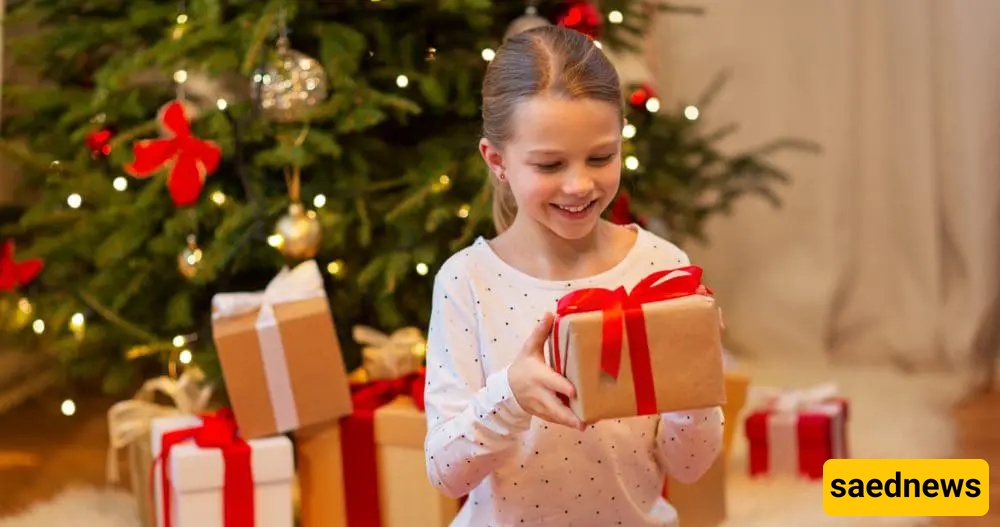
According to SAEDNEWS, receiving a gift is an opportunity for children to practice gratitude, consideration, and respectful social behavior. The focus should be on appreciating the thought behind the gift rather than judging its price, size, or personal appeal.
Parents can gradually teach children to:
Say thank you: A sincere “Thank you” is one of the simplest ways to acknowledge a gift.
Accept the gift politely: Children should take the gift gently and avoid grabbing it impatiently.
Avoid negative comments: If a present is not what they expected, they can keep their disappointment private rather than saying that they dislike it.
Show appreciation for the effort: Help children understand that someone spent time choosing, preparing, or giving the gift.
Wait their turn: When several people are receiving presents, children can practice watching others receive theirs without interrupting or demanding attention.
Respect the giver: A child does not have to pretend to love every gift, but they can respond with basic courtesy.
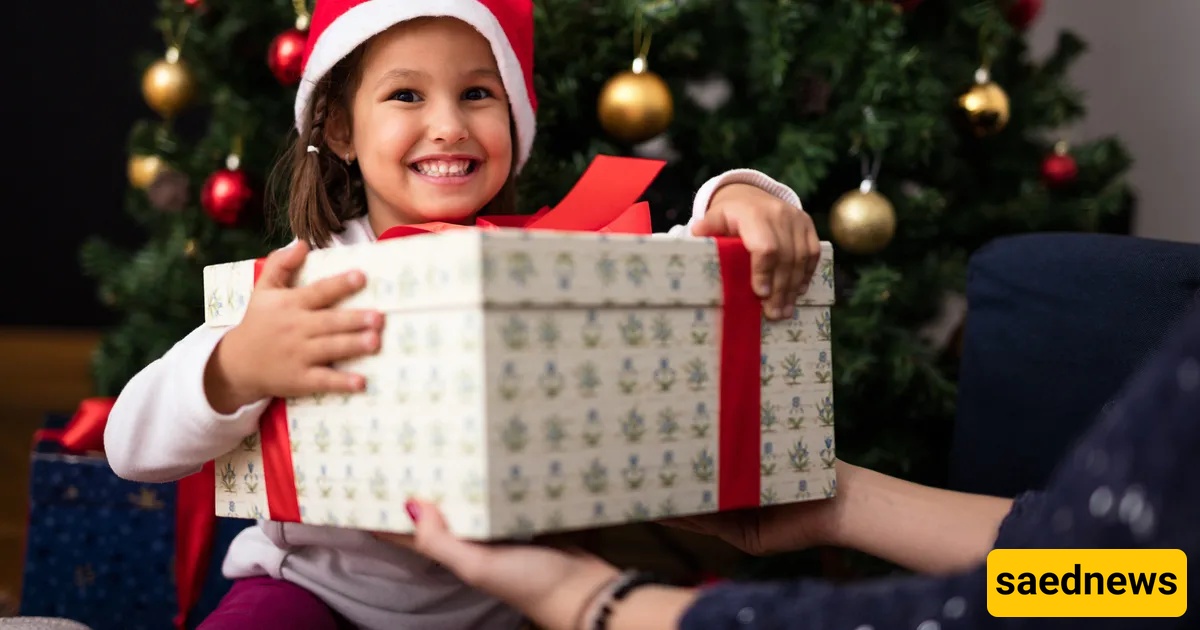
Children naturally have preferences, so an unwanted gift can sometimes produce an immediate reaction. Instead of shaming the child, parents can calmly teach an alternative response. For example, they can encourage the child to say, “Thank you for thinking of me,” rather than immediately criticizing the present.
This also helps children distinguish between liking a gift and appreciating the kindness behind it. Over time, they can learn that good manners do not require pretending to feel something they do not feel; they involve responding respectfully.
Gift-related manners are easier for young children to learn when adults demonstrate them in everyday situations. Before a birthday, family gathering, or other occasion, parents can briefly remind the child:
Look at the person who gives you the gift.
Receive it calmly.
Say “Thank you.”
Avoid criticizing or comparing the present.
Give others their turn.
Children may need repeated reminders as their social skills develop. Gentle correction and consistent modeling can make these behaviors increasingly natural.
Learning to receive a gift graciously is ultimately about more than saying two polite words. It helps children understand gratitude, consideration, patience, and the importance of recognizing another person's kindness.