SAEDNEWS: Newly planted saplings need careful watering, suitable soil conditions, protection from damage, and regular monitoring as their roots become established.
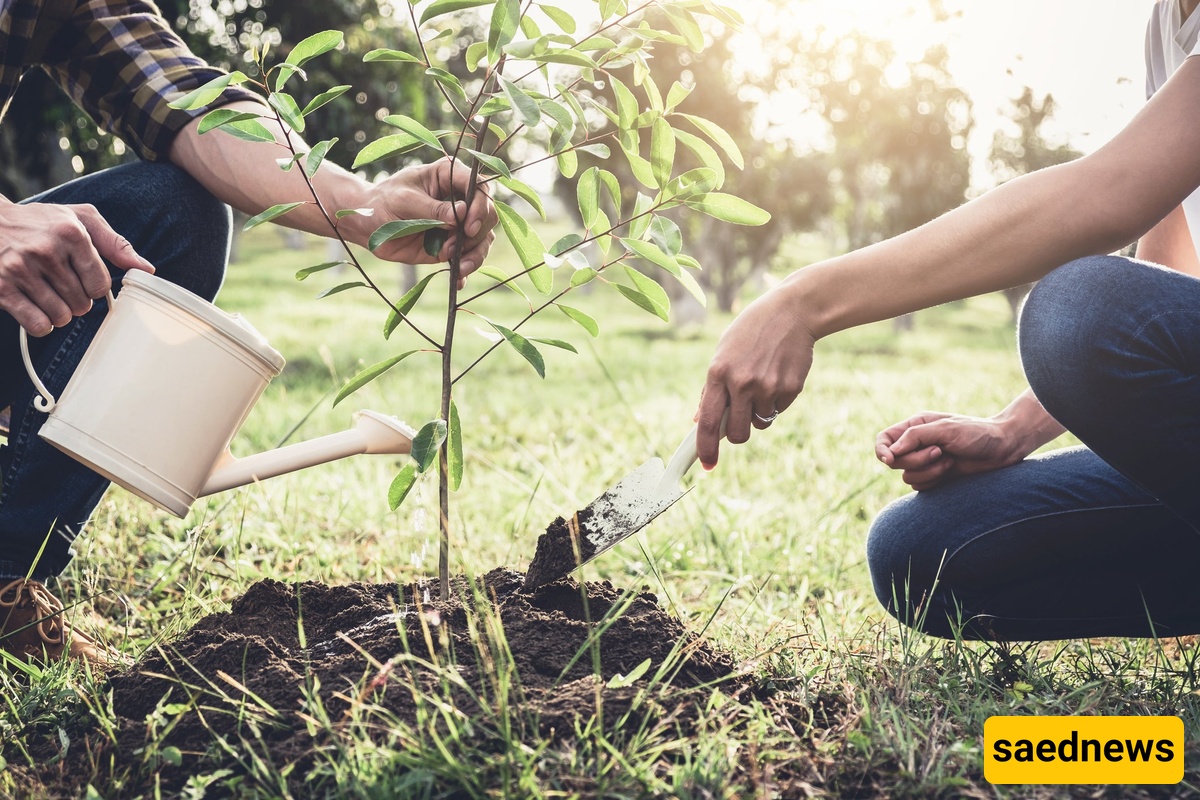
According to SAEDNEWS, the first period after planting is critical for a young tree because its root system has not yet spread into the surrounding soil. Proper care helps reduce transplant stress and gives the sapling better conditions for healthy root and shoot growth.
Water the sapling thoroughly after planting so that the soil around the roots settles and remains adequately moist. Afterward, watering should be adjusted according to the tree species, soil type, rainfall, temperature, and drainage. The goal is to keep the root zone consistently moist without leaving it waterlogged.
Check the soil before watering rather than following a rigid schedule. Newly planted trees generally need closer monitoring during dry or hot periods, while heavy rainfall may reduce or eliminate the need for additional irrigation.
The soil around a young sapling should remain relatively undisturbed. Avoid frequent digging, walking, or cultivating close to the trunk because these activities can damage developing roots.
A layer of organic mulch can help conserve soil moisture and moderate soil temperature. Keep mulch away from direct contact with the trunk, leaving a small clear area around its base. Excessive mulch piled against the trunk can create unfavorable conditions for the bark.
Not every newly planted sapling needs staking. If the tree can remain upright while its root system becomes established, allowing some natural movement can help it develop stronger structural support. Staking may be useful when the site is particularly windy or the tree cannot remain stable on its own.
If stakes are used, ties should support the tree without tightly restricting movement or rubbing against the trunk. They should also be checked periodically and removed when they are no longer needed.
Regular observation makes it easier to identify stress before it becomes severe. Look for:
Wilting or unusually drooping leaves
Dry, cracked soil around the root zone
Yellowing or premature leaf loss
Broken branches or trunk damage
Signs of pests or disease
Soil that remains excessively wet
Some leaf loss or temporary stress can occur after transplanting, but persistent or worsening symptoms may indicate problems with watering, planting depth, roots, pests, or site conditions.
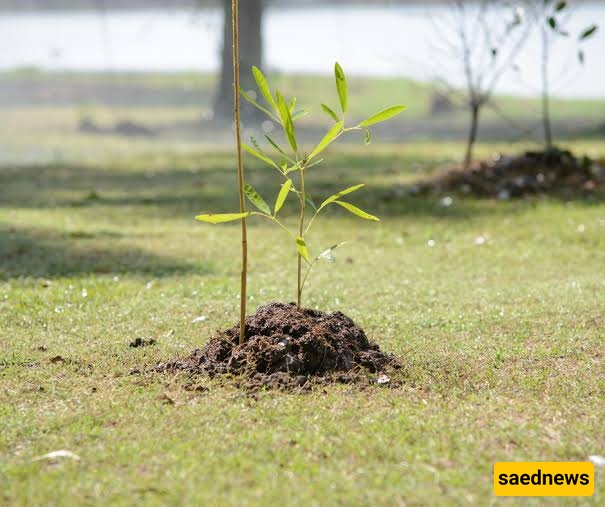
A newly planted sapling usually does not need extensive pruning immediately after planting. Remove clearly damaged, broken, or dead material when necessary, while avoiding unnecessary cutting that adds further stress.
Fertilizer should not be used automatically simply because a tree has been planted. If the soil is suitable and the tree was planted correctly, establishing a healthy root system is generally the immediate priority. Soil testing or advice from a local horticultural professional can help determine whether additional nutrients are actually needed.
New saplings require ongoing attention rather than intensive daily intervention. Keep the root zone adequately moist, protect the trunk and roots from physical damage, control competing vegetation around the planting area, and monitor the tree as weather conditions change. With consistent care and suitable growing conditions, the sapling can gradually establish its roots and become more resilient.