SAEDNEWS: Low-maintenance plants can bring greenery into a home without demanding frequent watering or intensive care. Choosing plants suited to indoor light and watering habits makes them easier to keep healthy.
According to SAEDNEWS, having little free time does not mean giving up on indoor plants. Some plants are naturally more tolerant of missed watering and changing indoor conditions, making them practical choices for people with busy schedules.
Several popular houseplants can work well for people who prefer a simple care routine:
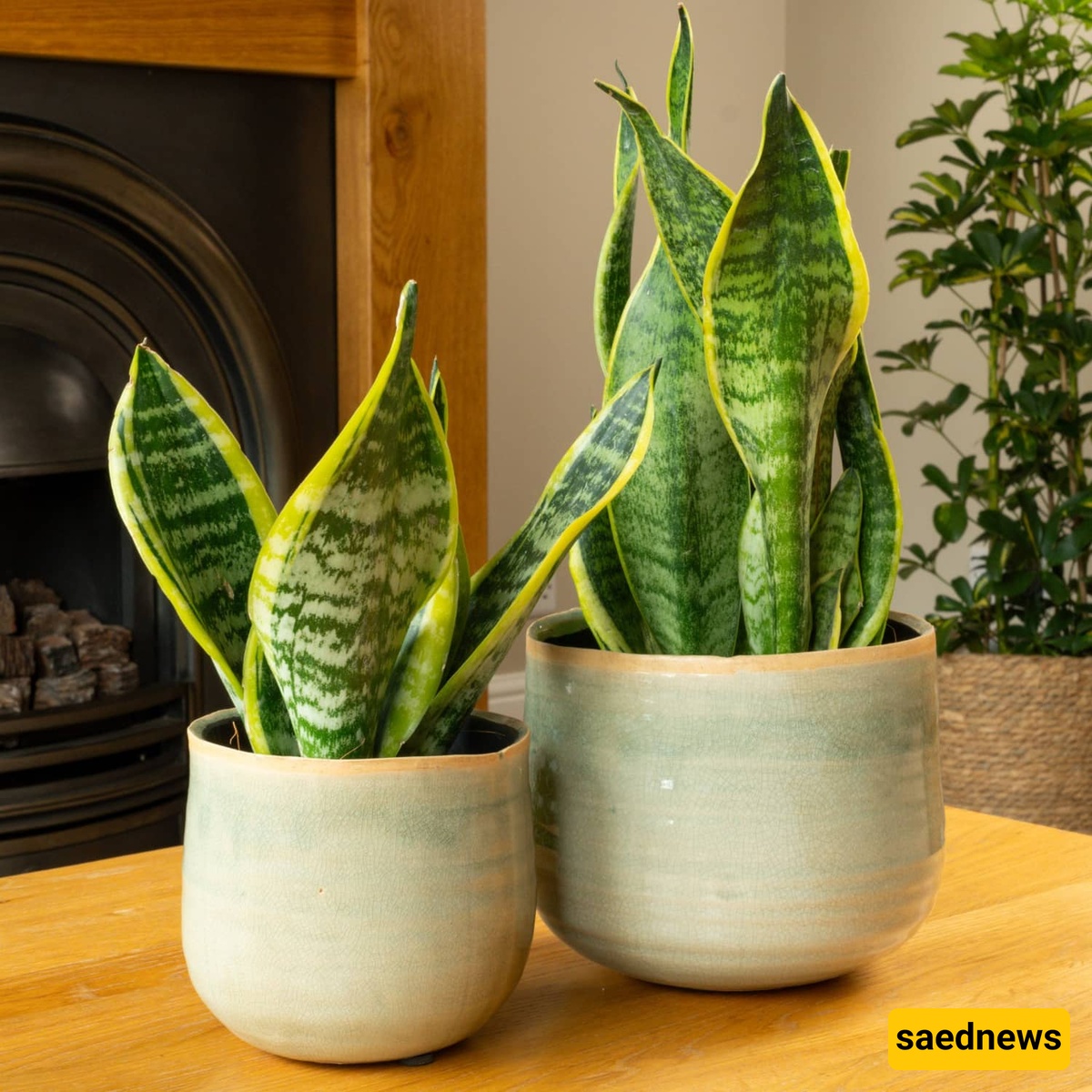
Snake Plant: It tolerates relatively low light and can handle periods of dry soil. Watering should be limited when the soil remains moist.
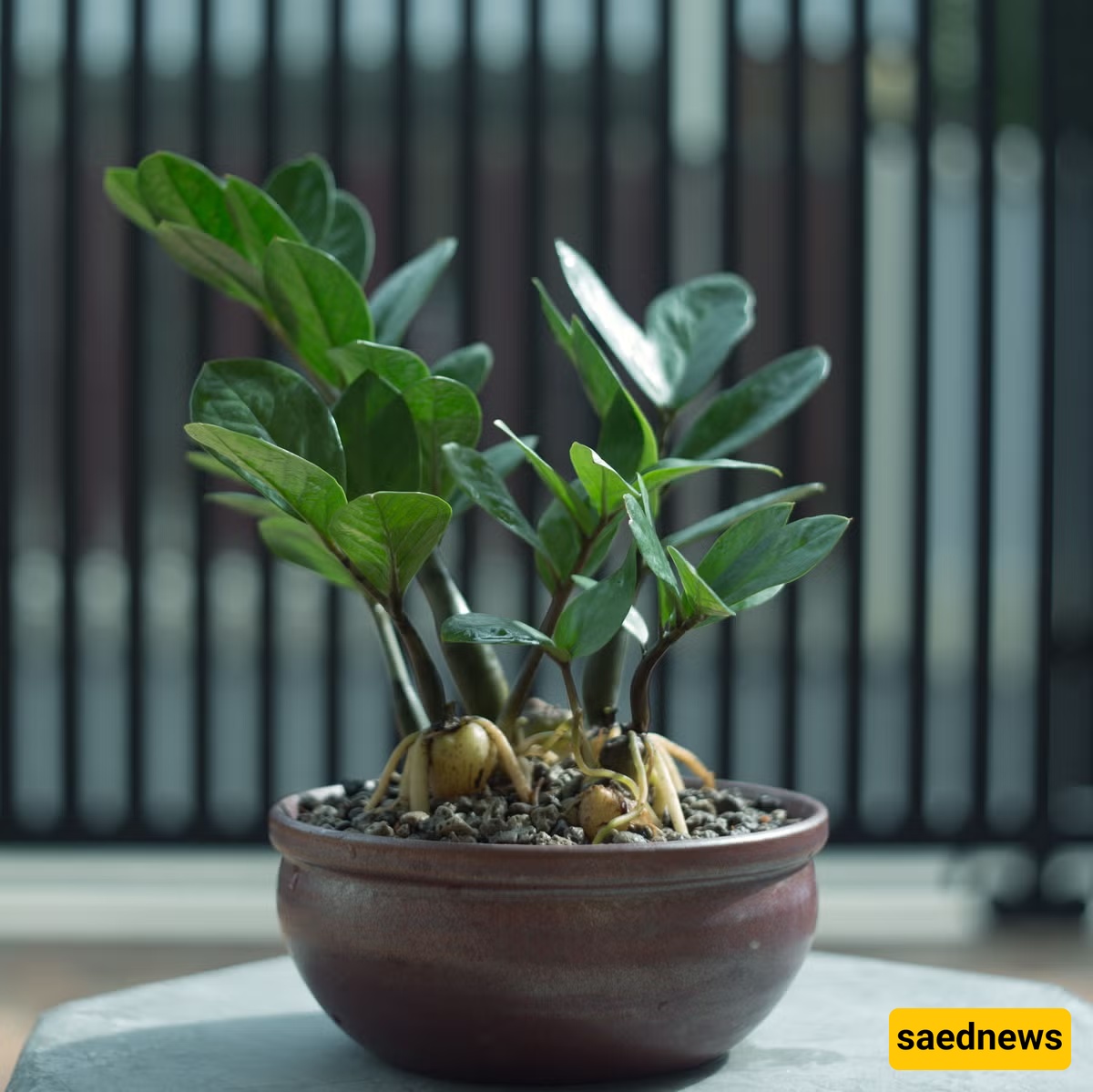
ZZ Plant: Its thick underground rhizomes store water, allowing it to tolerate occasional neglect. It generally prefers indirect light and well-drained soil.
Spider Plant: It is relatively easy to grow and can adapt to typical indoor conditions. Allowing the soil to dry somewhat between waterings can help prevent overwatering.
Cast Iron Plant: Known for its tolerance of lower light and less frequent care, it can be a useful option for rooms that receive limited natural light.
Even low-maintenance plants need appropriate conditions. Before choosing one, consider the amount of natural light available in the room. A plant that tolerates low light may struggle if placed in complete darkness, while a plant that prefers bright indirect light may not perform well in a dim corner.
Watering is another common source of problems. Instead of following a rigid calendar, check the soil and the plant's specific needs. Overwatering can be particularly harmful because constantly wet soil can damage roots. Containers should also have adequate drainage so excess water can escape.
A simple routine can make plant care easier:
Check the soil: Feel the soil before watering rather than watering automatically.
Observe the leaves: Wilting, yellowing, or other changes can indicate that the plant's conditions need adjustment.
Check the light: Make sure the plant receives the type of light appropriate for its species.
Remove damaged growth: Occasional trimming can help keep the plant tidy.
Inspect for pests: A quick visual check can help identify problems before they become widespread.
The best low-maintenance plant is not necessarily the one that needs the least water. It is the one whose light, temperature, watering, and space requirements fit naturally into your home and daily routine. Choosing a suitable plant from the beginning can reduce maintenance while still allowing you to enjoy a greener living space.