SAEDNEWS: Calm, consistent responses can help children feel understood while gradually teaching them healthier ways to express and manage anger.

According to SAEDNEWS, a child's anger can be expressed through crying, shouting, refusing to cooperate, or becoming physically restless. Young children are still developing the ability to recognize emotions and control strong reactions, so parents can play an important role by responding calmly rather than escalating the situation. A parent's goal is not to eliminate anger but to help the child learn safe and appropriate ways to handle it.
When a child is highly upset, lengthy explanations or arguments may not be effective. Parents can use a calm voice, reduce unnecessary demands, and give the child a little space when appropriate. Staying composed also provides a useful example of emotional regulation.
Acknowledge the feeling
Simple statements such as “I can see that you are very angry” can help a child feel heard without suggesting that every behavior is acceptable.
Set clear limits
Feelings are acceptable, but harmful actions are not. Parents can calmly state boundaries, such as not hitting, kicking, throwing objects, or hurting another person.
Avoid escalating the conflict
Shouting back, threatening, or using harsh criticism can make an already intense situation harder to manage. A brief and steady response is often more useful than a prolonged argument.
Wait before discussing the cause
Once the child has become calmer, parents can talk about what happened. This is a better opportunity to help the child identify the trigger and consider alternative responses.
Teach practical ways to cope
Depending on the child's age, parents can encourage simple strategies such as taking slow breaths, moving to a quiet place, asking for help, or using words to describe what they need.
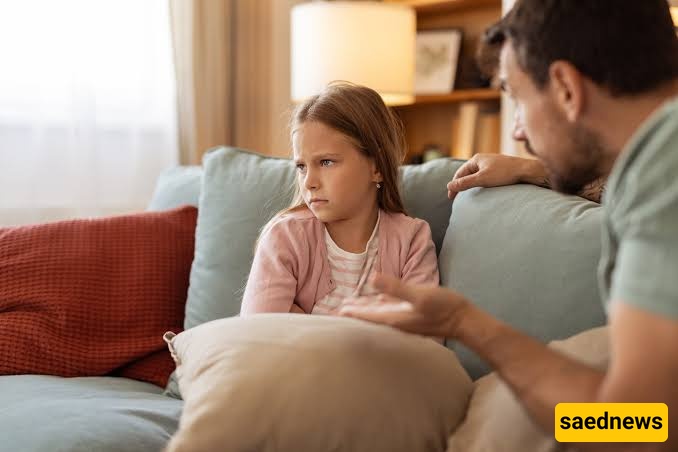
The period after an outburst can be valuable for learning. Parents can briefly review what happened without shaming the child: What caused the frustration? What could the child say or do next time? Repeated practice helps children gradually build emotional vocabulary and self-regulation skills.
If anger frequently involves aggression, causes significant problems at home or school, or seems unusually intense or difficult to manage, discussing the behavior with a pediatrician or qualified child mental-health professional can help determine whether additional support is appropriate.