SAEDNEWS: Parenting a stepchild can be a complex challenge. This article offers practical strategies for building trust, respecting the child’s identity, and creating a healthy blended family.

According to Saednews, As remarriage becomes increasingly common in modern societies, the concept of the blended family and the challenges of raising a stepchild have become major concerns for many parents.
Entering a new family dynamic and building a relationship with a child who carries a history and deep emotional bonds with their biological parents can be one of the most complex and sensitive roles a person can experience.
Unlike adoption, which may begin with an emotional “empty space,” step-parenting involves the existing presence of another parent—a biological mother or father who remains present either in the child’s life or in the child’s mind.
Many stepparents initially assume that they can replace the biological parent or quickly develop a close relationship with the child. Psychological reality, however, is much more nuanced.
This article explores practical, psychology-informed approaches to step-parenting, offering strategies for navigating conflict, developing trust, and creating a healthy new family identity.

Before taking action, a stepparent needs to understand the child’s inner world. Stepchildren often experience a loyalty conflict. They may worry that developing affection for their parent’s new partner means betraying their biological parent.
Anger, jealousy, rejection, anxiety, and fear of being forgotten are common reactions.
Successful step-parenting begins by recognizing these emotions as natural responses rather than personal hostility. Never pressure a child to show affection. One useful approach is emotional labeling—acknowledging what the child may be experiencing.
For example:
“I know this situation might be difficult for you.”
“It makes sense that you feel upset about how much your life has changed.”
When a child feels that their emotions are understood rather than criticized, they are more likely to gradually become comfortable with the new family relationship.
One of the biggest mistakes in step-parenting is trying to take over the role of a biological parent.
Children may become especially distressed if they feel their biological mother or father is being disrespected or replaced. A stepparent does not need to duplicate the biological parent’s role. Instead, they can develop a complementary role.
Think of yourself as a mentor: a trustworthy adult who offers guidance, support, and companionship without immediately demanding authority.
With a teenager, for example, you might introduce them to a new interest, teach them a practical skill such as cooking or bicycle repair, or create opportunities to explore their interests together.
Over time, this approach can help the child see the stepparent not as an intruder competing for emotional space, but as an additional source of support.
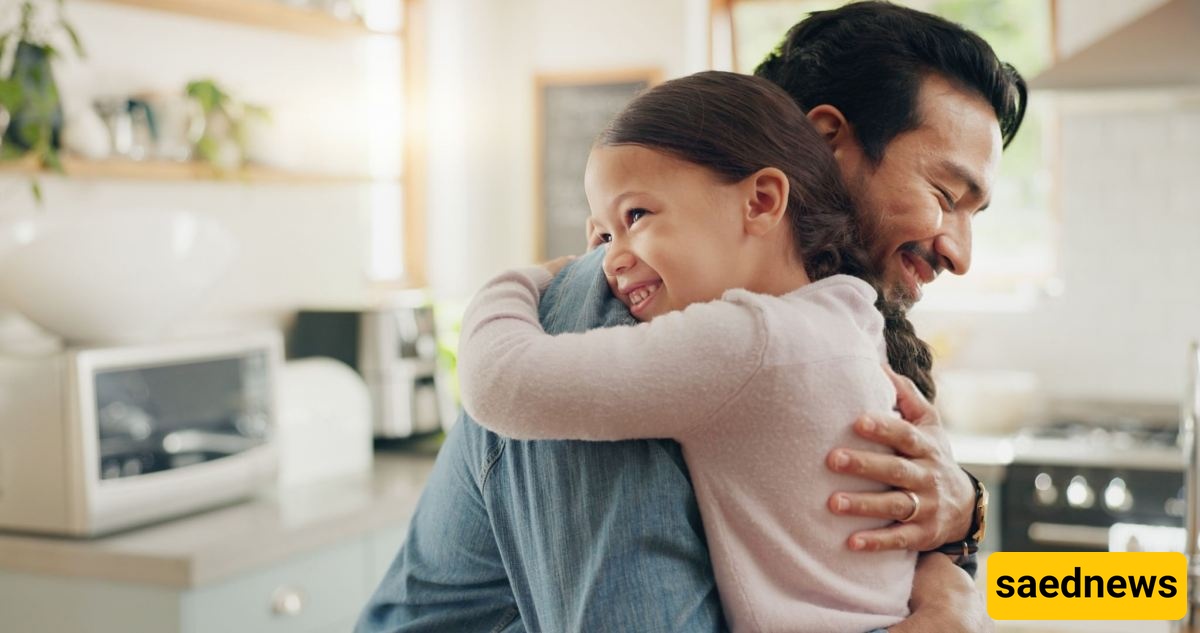
Trust may be taken for granted in a biological family, but in a blended family, it often has to be earned gradually.
Encourage your stepchild to talk about their biological parent and their memories. Listen with genuine interest rather than becoming defensive or competitive.
Showing respect for the child’s existing relationships communicates that you are not threatened by their past.
Consistent, meaningful time together can be more valuable than expensive family outings.
Even 15 minutes of regular one-on-one interaction can make a difference. Play a game, practice basketball, cook together, or simply talk.
Consistency matters. When a child knows that you will reliably be there at a particular time, your presence begins to feel emotionally safe and predictable.
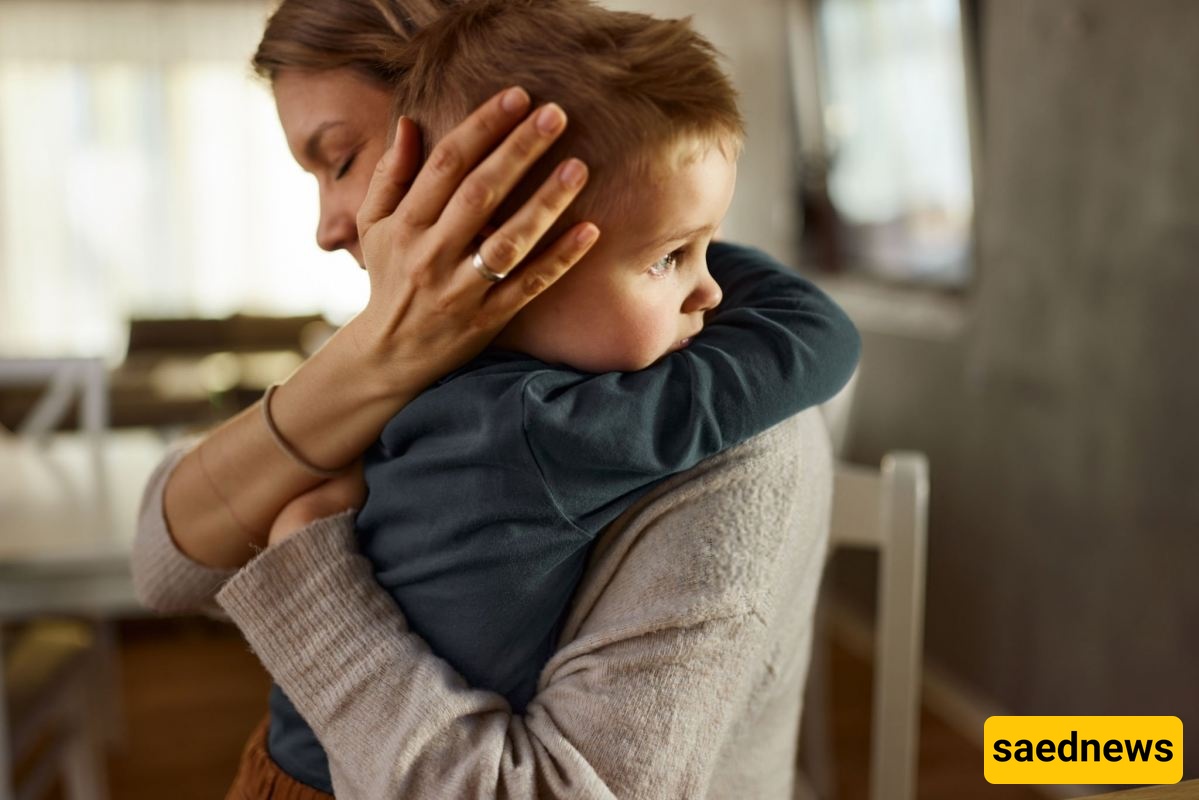
Avoid using gifts or money as a substitute for emotional connection.
Instead, pay attention to things that express the child’s identity and interests. Supporting their artwork, listening to their favorite music, or showing genuine interest in their hobbies communicates that you actually see and value them.
Trust grows from feeling understood—not from the monetary value of gifts.
Questions such as “How should I discipline my husband’s child?” can be particularly difficult in blended families.
During the early stages of the relationship, especially while trust is still developing, the biological parent should generally take the lead on major discipline decisions.
This does not mean the stepparent has no authority or responsibility. Rather, it helps establish clear family roles.
For example, if a teenager behaves disrespectfully, the biological parent can address the violation directly, while the stepparent can communicate concern without immediately becoming the disciplinarian:
“I’m concerned about what just happened. Let’s talk about it later.”
As attachment and trust develop, the stepparent can gradually take more responsibility for everyday issues, such as household routines or keeping a bedroom organized.
The important principle is gradual authority rather than forced authority.

A stepchild may sometimes feel as though their entire world has been taken over by a new family structure. Respecting personal boundaries can help restore a sense of control.
Respect the child’s privacy. Do not casually search through their phone, diary, messages, or personal belongings.
If the family has moved into a new home, involve the child in decisions about their room and personal space. Giving them a voice can strengthen their sense of belonging.
Children should be allowed to spend meaningful time alone with their biological parent.
Instead of reacting with jealousy, support these relationships. A simple statement such as, “You’re going to the cinema with your mom today? That sounds great,” can communicate security rather than competition.

Never compare yourself with the biological parent, even if you believe you have certain advantages.
Instead, look for opportunities to complement what the biological parent already provides.
For example:
“Your dad taught you a great way to solve that math problem. Let me show you another technique for chemistry.”
This creates cooperation rather than competition.
A major challenge in blended families is conflict between the stepparent, biological parent, and the child’s other biological parent.
Effective communication among the adults is therefore essential.
During the early stages, significant disagreements about parenting may be better handled through your partner rather than through emotionally charged direct communication with the other biological parent.
Avoid hostile texts, confrontational phone calls, or arguments about parenting styles.
In front of the child, the adults should avoid openly undermining one another.
If you disagree with your partner’s decision, discuss it privately rather than turning the child into an audience or mediator.
The child should ideally experience the adults as a coordinated team.

You do not need to become close friends with the other biological parent.
The goal can simply be respectful, functional cooperation focused on the child’s well-being.
Healthy co-parenting does not require personal affection. It requires communication, boundaries, and a shared commitment to the child.
Step-parenting is a marathon, not a sprint.
A stepparent may experience months of emotional distance, rejection, or even open hostility. This can be exhausting, particularly when their efforts appear to go unnoticed.
Self-care is therefore part of effective parenting—not a selfish luxury.
Partners should agree on how responsibilities will be divided, particularly during the early stages. The biological parent may need to take a more active role in managing the child-parent relationship while the stepparent gradually builds trust.
If a child struggles to accept you, avoid automatically interpreting it as evidence that you are inadequate.
Their behavior may reflect grief, loyalty conflicts, fear, insecurity, or difficulty adjusting to change.

A therapist experienced in blended-family dynamics or a supportive community for stepparents can provide a safe place to process difficult emotions and develop healthier strategies.
One effective way to reduce tension is to participate in new experiences together.
Consider activities such as:
Pottery
Gardening
Cooking
Hiking
Family games
Creative projects
Learning a new sport
Activities that are new to everyone create a level playing field. No one has an established advantage, and the experience does not revolve around competing with the biological parent.
Learning, laughing, making mistakes, and accomplishing something together can gradually create positive shared memories.

Building a healthy relationship with a stepchild takes patience, consistency, and emotional intelligence. The goal is not to replace a biological parent or force immediate closeness.
Instead, a successful stepparent gradually becomes a trusted adult, supportive mentor, and valued member of the family.
Respect for the child’s existing relationships, predictable involvement, appropriate boundaries, coordinated parenting, and genuine emotional support can transform a difficult transition into the foundation of a strong and resilient blended family.