SAEDNEWS: Factitious disorder is a complex mental health condition in which a person deliberately creates or exaggerates symptoms of illness in order to assume the role of a patient and receive attention, sympathy, or care from others.

According to Saednews, Did you know that some people deliberately create or exaggerate symptoms of illness in themselves in order to take on the role of a patient? In psychology, this phenomenon is known as Factitious Disorder. It is a complex and serious mental health condition that can have a profound impact on both the individual and those around them.
We all sometimes exaggerate things slightly to avoid responsibilities or attract attention. However, in Factitious Disorder, this behavior develops into a pathological pattern in which a person knowingly and deliberately fabricates physical or psychological symptoms.
Importantly, Factitious Disorder is fundamentally different from malingering. A person with Factitious Disorder does not have an external motivation such as financial compensation, obtaining leave from work, or avoiding legal consequences. Instead, the primary motivation is to receive sympathy, attention, care, and acceptance by assuming the role of a sick person.
This comprehensive guide explores different aspects of Factitious Disorder, including its definition, types, possible causes, symptoms, diagnosis, and treatment. If you have encountered someone who repeatedly claims to be ill despite doctors being unable to identify a clear medical cause, understanding this condition may provide valuable insight.

Factitious Disorder, formerly known in some contexts as Munchausen syndrome, is a mental health condition in which a person deliberately and knowingly creates, exaggerates, or fabricates symptoms of illness.
These individuals may pretend to have symptoms, manipulate medical tests, or even deliberately harm themselves in order to actually become ill. Contrary to what many people assume, they are generally not seeking secondary benefits such as financial compensation or freedom from responsibilities.
Their primary motivation is to assume the role of a “sick person” and receive attention, care, and sympathy from family members, friends, or healthcare professionals. For some individuals, their sense of identity may become closely connected to medical treatment and hospital visits, and they may seek the attention associated with being a patient.
These behaviors occur while the person is aware that they are intentionally producing the symptoms. However, they may feel a strong compulsion to repeat the behavior and find it extremely difficult to stop.
Many people have heard the term Munchausen syndrome. The name comes from the German nobleman Baron Münchhausen, who became famous for telling extraordinary and unbelievable stories about his adventures.
Today, the term Factitious Disorder is used in modern psychiatric terminology, including the Diagnostic and Statistical Manual of Mental Disorders (DSM-5). However, Munchausen syndrome remains a more familiar term among the general public and is sometimes used to describe particularly severe or chronic forms of factitious behavior.
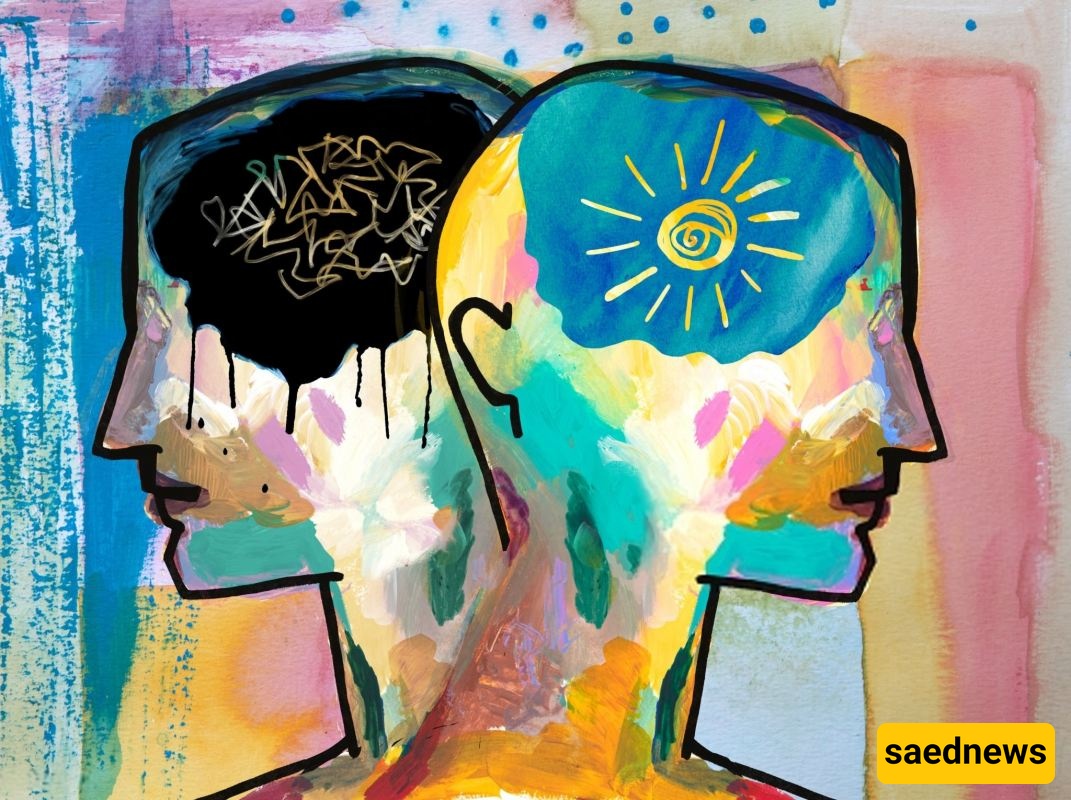
Factitious Disorder can appear in several forms, and recognizing these distinctions is important for appropriate assessment.
This is the most common form. The individual deliberately creates or presents symptoms of illness in themselves in order to receive medical attention.
For example, a person might deliberately contaminate an injury or wound to cause an infection, or misuse medications to imitate symptoms of a gastrointestinal condition.

Previously known as Munchausen syndrome by proxy, this form occurs when a person deliberately creates or fabricates symptoms in someone else, often a child or an older adult.
This is particularly dangerous and may constitute child abuse or elder abuse. For example, a caregiver might give a child substances that cause vomiting or manipulate medical samples in an attempt to deceive healthcare professionals.
In this form, a person may imitate symptoms such as hallucinations, depression, memory problems, or delusions. They may present these symptoms through convincing behaviors and stories that lead others to believe they have a psychiatric disorder.
Factitious behavior can range from relatively isolated incidents to severe, chronic cases involving repeated hospitalizations, multiple medical procedures, and prolonged treatment.
The exact cause of Factitious Disorder is not fully understood. Researchers believe that a combination of biological, psychological, and social factors may contribute to its development.

Some people with Factitious Disorder have experienced neglect, emotional abuse, or a lack of affection during childhood. For some, being ill may have been one of the few situations in which they received unconditional attention and care from family members.
As a result, they may develop a pattern of using the sick role as a way of obtaining affection, attention, and recognition. Some individuals may also have co-occurring personality disorders, although Factitious Disorder should not automatically be associated with any particular personality disorder.
Many individuals with this condition struggle with low self-esteem. Their relationship with healthcare professionals and the attention they receive from medical staff may provide a way to reinforce their sense of identity and personal value.
Taking on the role of a seriously ill or medically complex patient can place them at the center of attention and provide a temporary sense of importance or validation.
Some research suggests that individuals who experienced serious or chronic illnesses during childhood or adolescence may be at greater risk of developing factitious behaviors.
Repeated hospitalizations, familiarity with medical terminology, and exposure to the routines of healthcare settings may make it easier for some individuals to recreate similar experiences later in life.
Social pressure, family difficulties, loneliness, and social isolation may also contribute to or intensify these behaviors.
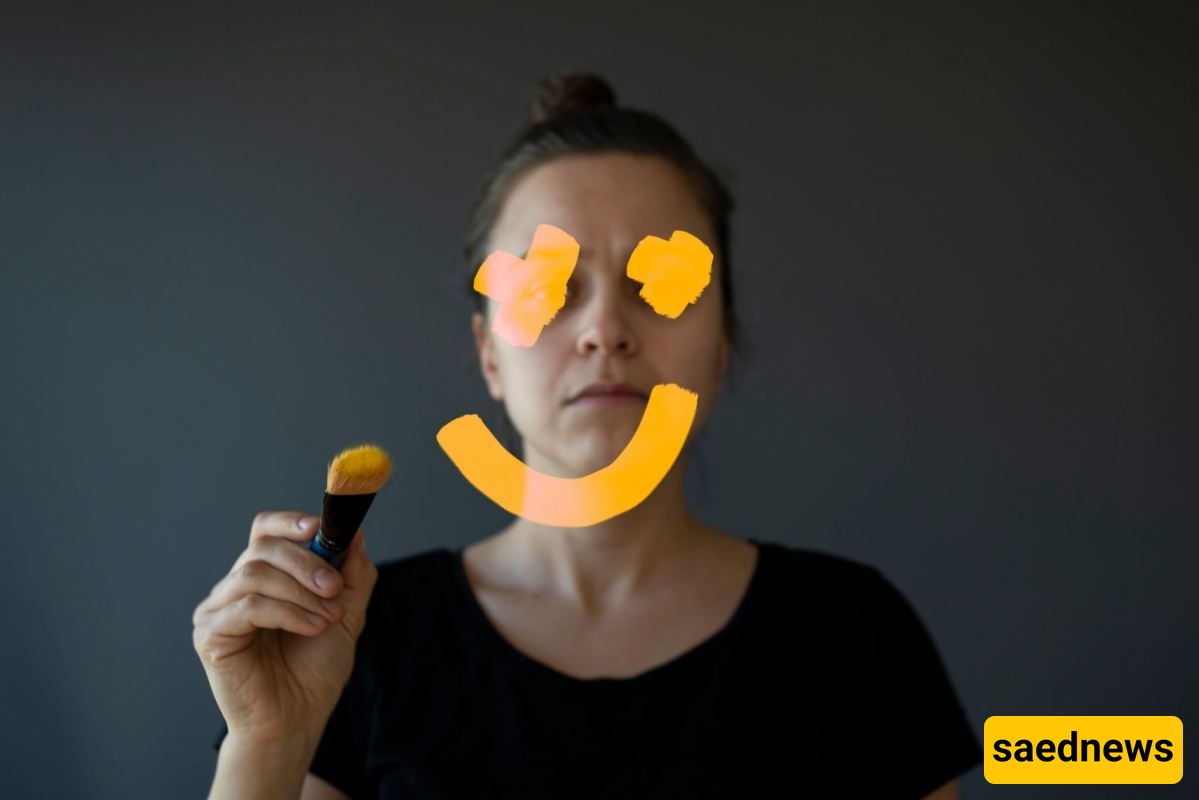
Recognizing possible warning signs can help healthcare professionals identify the condition earlier. Common signs may include:
Repeated visits to different doctors, hospitals, or healthcare facilities, sometimes in different cities or countries
Inconsistencies between reported symptoms and laboratory results or physical examinations
Extensive knowledge of complex medical terminology, medications, and diseases
Multiple unexplained wounds, scars, or surgical marks
A strong desire to undergo medical procedures or surgeries
Symptoms becoming more severe when other people are present or when the individual feels they are not receiving enough attention
Symptoms that fail to improve despite appropriate treatment or follow an unusual clinical pattern
It is important to understand that factitious behavior can result in genuine and potentially dangerous medical problems. For example, deliberately introducing contaminated substances into the body can cause severe infections, vascular damage, and potentially life-threatening complications.
One of the most important distinctions in psychiatry is the difference between Factitious Disorder and malingering. Both involve the intentional production or exaggeration of symptoms, but their motivations are different.
Malingering is motivated by an external benefit, such as obtaining financial compensation, avoiding military service, escaping legal obligations, or receiving time away from work.
In Factitious Disorder, the motivation is primarily internal. The individual seeks attention, sympathy, care, or the experience of being treated as a patient.

In both situations, the individual is aware that they are producing or exaggerating symptoms. However, people with Factitious Disorder may experience their behavior as difficult to control and may feel compelled to continue the pattern.
A person who is malingering generally engages in a more deliberate behavior aimed at achieving a specific external goal.
Factitious Disorder is also different from Somatic Symptom Disorder. In Somatic Symptom Disorder, the person experiences genuine symptoms that are not deliberately produced. In Factitious Disorder, symptoms are intentionally fabricated or induced.
Diagnosing Factitious Disorder can be extremely difficult because healthcare professionals must first rule out genuine medical explanations for the symptoms.
The diagnostic process may include:
Doctors may review medical records from different hospitals and healthcare providers to identify patterns of repeated visits, unexplained procedures, or inconsistent medical histories.
Appropriate examinations and diagnostic tests are performed to determine whether an underlying physical illness is present.
A psychiatrist or clinical psychologist may conduct detailed interviews to assess the individual's behavior, psychological state, medical history, and patterns of interaction with healthcare professionals.

Evidence such as unexplained medication use, manipulation of wounds or dressings, or interference with laboratory samples may provide important clues.
Even in advanced healthcare systems, Factitious Disorder can be difficult to identify. In some cases, it may take years before healthcare professionals recognize the underlying pattern.
Treating Factitious Disorder can be challenging and generally requires a coordinated approach involving healthcare professionals such as psychiatrists, psychologists, and physicians.
The main goals of treatment include reducing harmful behaviors, addressing underlying psychological difficulties, and developing healthier ways of meeting emotional and interpersonal needs.
Psychotherapy, including cognitive behavioral approaches, can play an important role in treatment.
A therapist may help the individual recognize unhealthy patterns of thinking and behavior and understand the relationship between emotional needs and the production of illness symptoms.
Therapy can also help develop healthier coping strategies and alternative ways of obtaining emotional support, connection, and validation.

There is no specific medication that directly treats Factitious Disorder.
However, if conditions such as depression or anxiety occur alongside it, a psychiatrist may prescribe appropriate medications to treat those conditions. Medication decisions should be based on an individual's specific clinical needs.
Establishing a stable and empathetic therapeutic relationship is extremely important.
Healthcare professionals should avoid unnecessarily confrontational interactions, which may cause the individual to disengage from treatment or seek care elsewhere. Instead, treatment should focus on creating a safe and supportive environment and developing a healthcare plan centered on overall health rather than simply treating individual symptoms.
Working with family members may also be important, particularly when they need guidance on how to provide appropriate support without unintentionally reinforcing harmful illness behaviors.
When Factitious Disorder is imposed on another person, protecting the potential victim is an immediate priority.
If a child or older adult is being deliberately harmed or subjected to fabricated medical problems, appropriate safeguarding measures and social or legal interventions may be necessary. The victim may need to be separated from the unsafe environment while the situation is investigated.
Factitious Disorder is a complex, uncommon, and challenging mental health condition that may be associated with deep emotional needs and psychological difficulties.
Unlike common misconceptions, people with Factitious Disorder are not simply pretending to be sick for financial gain or another obvious external benefit. Their behavior is often connected to a powerful need to occupy the sick role and receive attention, care, or emotional validation. Unfortunately, the behaviors involved can place their health at serious risk.
Although diagnosis and treatment can be difficult, the condition is not necessarily untreatable.
If you or someone close to you shows signs that may be consistent with Factitious Disorder, seeking an evaluation from a qualified psychiatrist or clinical psychologist can be an important first step. Family support and a nonjudgmental approach can also play an important role in helping the person engage with appropriate care.
It is important to remember that people affected by this condition may be struggling with profound emotional difficulties and loneliness. Understanding the psychological needs behind the behavior, while also maintaining appropriate boundaries and protecting everyone involved, can provide a path toward healthier forms of connection.
Greater awareness among the public and healthcare professionals may help identify Factitious Disorder earlier and encourage individuals to move away from harmful patterns of illness toward healthier and more meaningful relationships and sources of support.