SAEDNEWS: Curved roads are often designed to improve safety, manage steep terrain, and control vehicle speed rather than simply follow an irregular landscape.
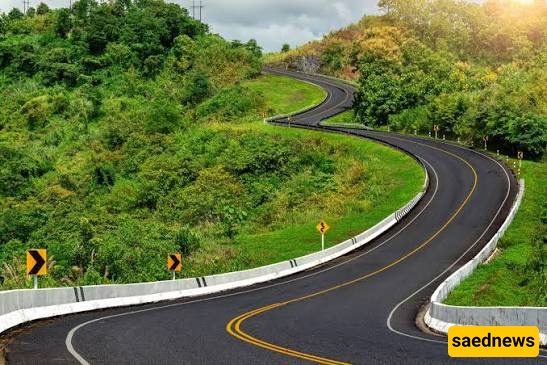
According to SAEDNEWS, a winding road is often the result of careful engineering rather than poor planning. Engineers may deliberately introduce curves to make a route safer, especially when it crosses mountains, hills, or areas where a completely straight path would create difficult driving conditions.
One of the main reasons roads become winding is to reduce the effective slope. Instead of climbing a mountain directly, a road can travel gradually upward through a series of bends. This creates a longer route but allows vehicles to gain elevation more gradually.
A steep, straight road can place greater demands on vehicle engines and brakes. On mountainous routes, a gentler gradient can therefore make driving more manageable and reduce some of the risks associated with steep descents.
Road geometry is also used to influence how drivers behave. Curves naturally require drivers to reduce speed, particularly when visibility is limited. Engineers can design curves with appropriate radii, banking, sight distances, and warning signs to accommodate expected traffic conditions.
Some winding sections are also used to prevent long stretches of road from encouraging excessive speed. The objective is not simply to make driving slower, but to keep vehicle movement within conditions that the road can safely handle.
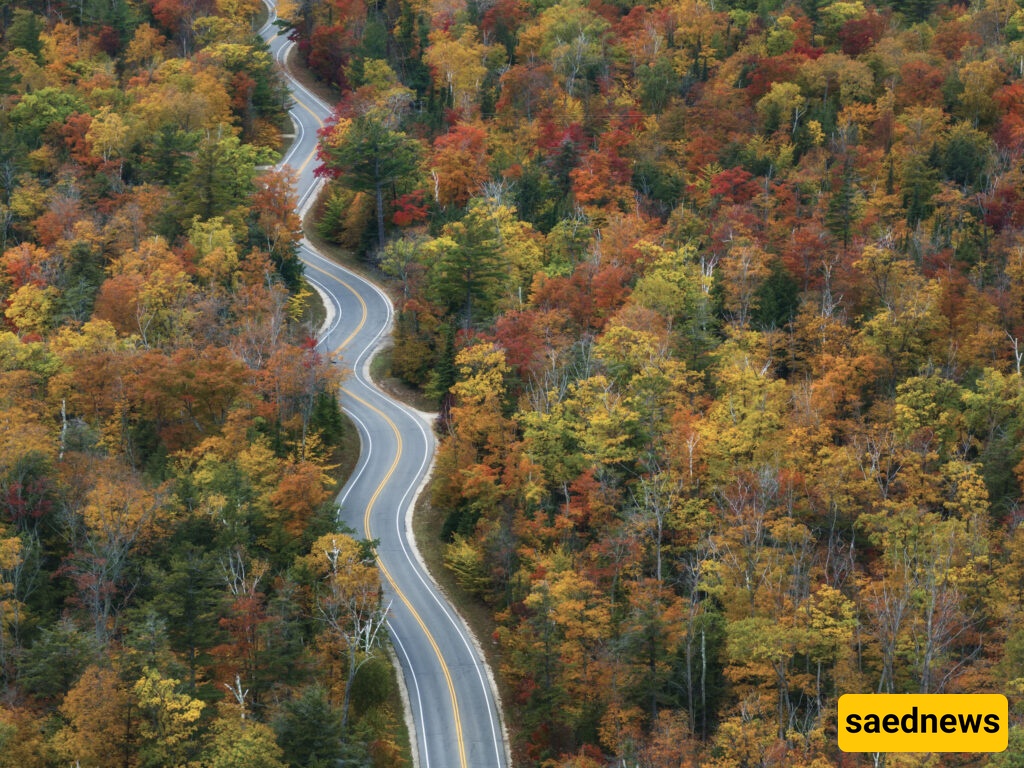
Road construction must account for the physical environment. A straight line may cross:
Steep mountainsides
Deep valleys
Rivers or drainage areas
Unstable slopes
Protected or difficult terrain
Following the contours of the land can sometimes reduce the amount of excavation and major earthwork required. In mountainous regions, this can make a carefully curved route more practical than cutting a completely straight path through the terrain.
A road cannot simply be made winding at random. Engineers consider factors such as vehicle speed, road width, visibility, surface conditions, drainage, and the available space when determining the geometry of a curve.
The result may look like a series of unnecessary bends to a driver, but each section can serve a specific engineering purpose. In some locations, the longer winding route is actually the safer and more practical alternative to a direct path.
So, when a road seems unusually serpentine, its shape may reflect a balance between slope, safety, terrain, visibility, and construction requirements. What appears to be an inconvenient detour can often be the product of deliberate engineering.