SAEDNEWS: Open windows do not always provide effective ventilation because airflow depends on air pressure, room layout, wind direction, and the presence of an outlet for stale air.
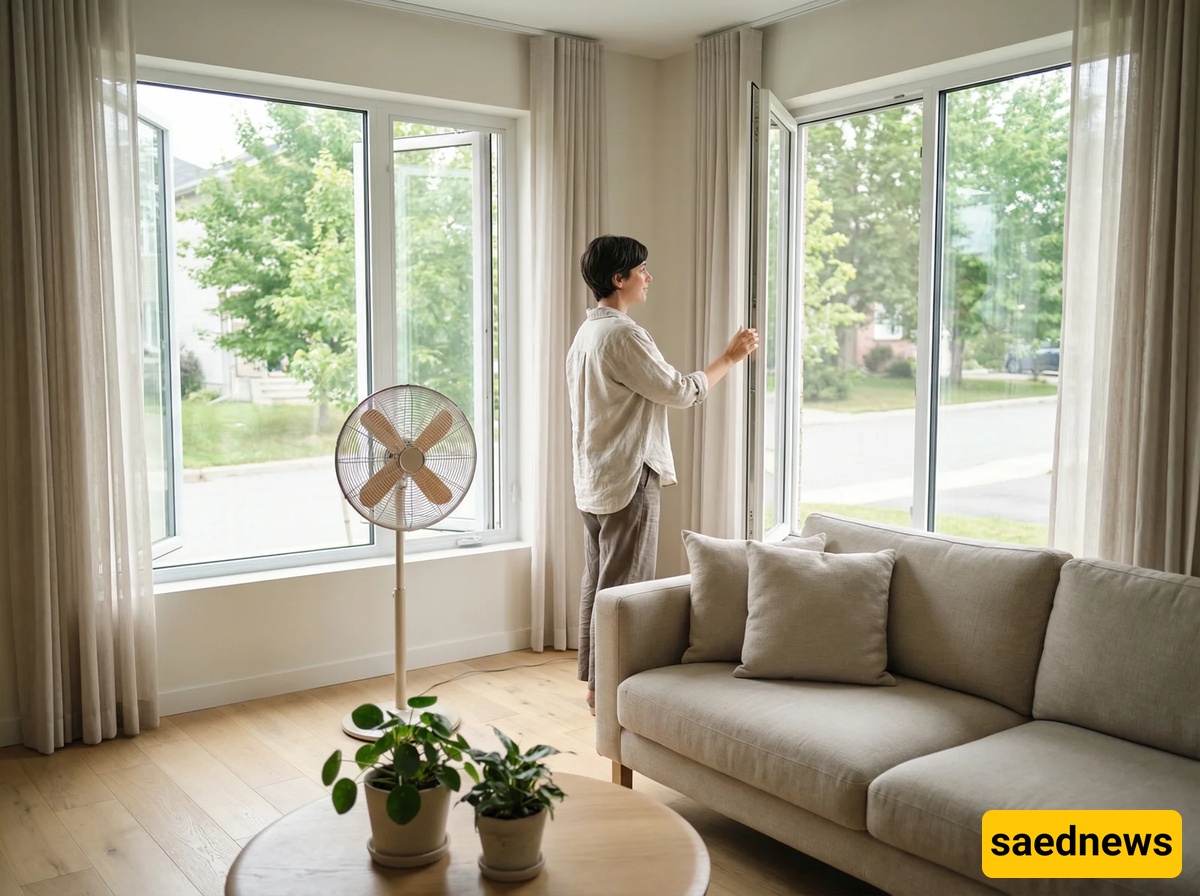
According to SAEDNEWS, opening a window does not automatically mean that fresh outdoor air will circulate throughout a home. Air moves because of differences in pressure and temperature, and it needs a pathway to enter and leave the building. If only one window is open, the incoming air may remain concentrated near that opening instead of replacing stale air in other parts of the home.
Several factors can limit ventilation even when a window is open:
Only one opening is available: Without another opening for air to exit, there may be little continuous airflow.
Wind direction: Outdoor wind may not be pushing air toward the open window. Nearby buildings, trees, or walls can also change airflow around a home.
Room layout: Walls, closed interior doors, and narrow passages can prevent air from reaching distant rooms.
Temperature differences: Warm air naturally rises, while cooler air tends to move downward. If these movements do not create a useful circulation path, ventilation can remain weak.
The window's position: A window facing a sheltered courtyard or enclosed space may receive less air movement than one exposed to open surroundings.
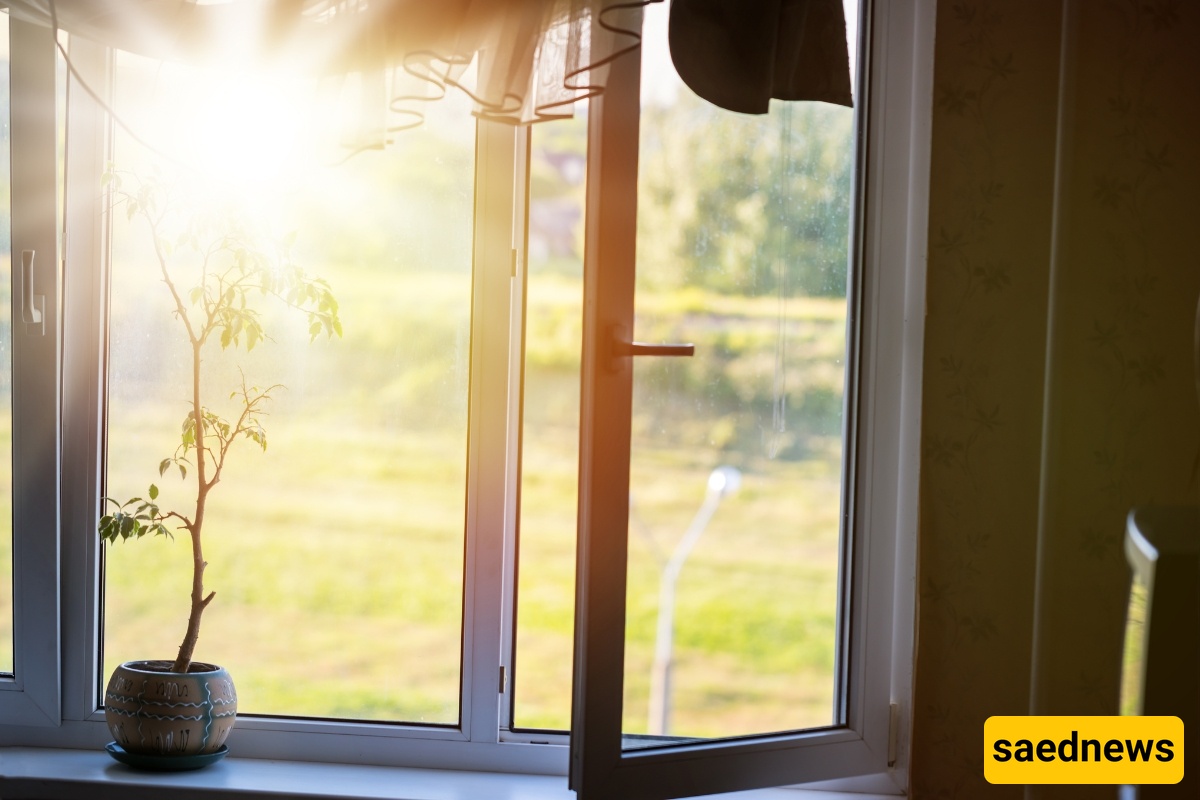
One of the simplest ways to improve natural ventilation is to create a clear route for air to travel. Opening windows or doors on different sides of a home can produce cross-ventilation, allowing outdoor air to enter through one opening while indoor air leaves through another.
The effect is often stronger when the openings are separated rather than located close together. An interior door can also make a difference by allowing air to move between rooms, provided the home's layout permits a continuous pathway.
If a room still feels stuffy, the issue may not simply be a lack of open windows. Household activities such as cooking, showering, and drying clothes add moisture to indoor air, while people continuously produce carbon dioxide through breathing. In tightly sealed homes, mechanical ventilation may therefore play an important role in maintaining indoor air quality.
A practical approach is to think of ventilation as air exchange rather than simply window opening. The goal is to create a route through which outdoor air can enter and indoor air can leave. Checking whether air can actually move through the room, rather than assuming that an open window is sufficient, can make natural ventilation much more effective.