SAEDNEWS: Changes in hair texture, shine, or behavior can sometimes signal that your current hair-care routine is no longer meeting your hair’s needs.
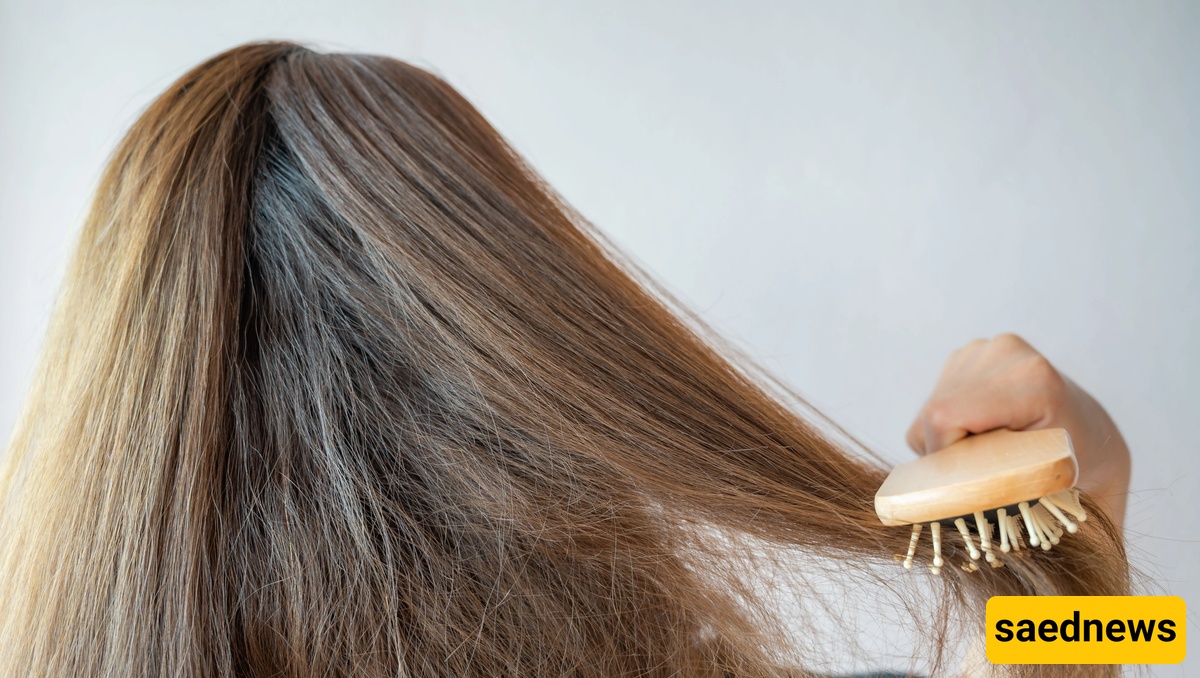
According to SAEDNEWS, hair that suddenly feels unusually dry, rough, brittle, or difficult to manage may be a useful sign to reconsider your care routine. Hair naturally changes with washing, heat exposure, environmental conditions, chemical treatments, and everyday handling. When these factors become too harsh or inconsistent with your hair’s needs, its appearance and texture may change.
One noticeable warning sign is hair that remains rough, dry, or tangled even after washing and conditioning. Healthy-looking hair does not need to feel perfectly smooth all the time, but a persistent change in texture can suggest that your current routine needs adjustment.
Pay attention if your hair has recently become:
More difficult to comb
Rougher to the touch
More prone to tangling
Duller than usual
More likely to break during brushing
These changes do not necessarily indicate a medical problem. They can simply reflect changes in how the hair shaft is being treated.
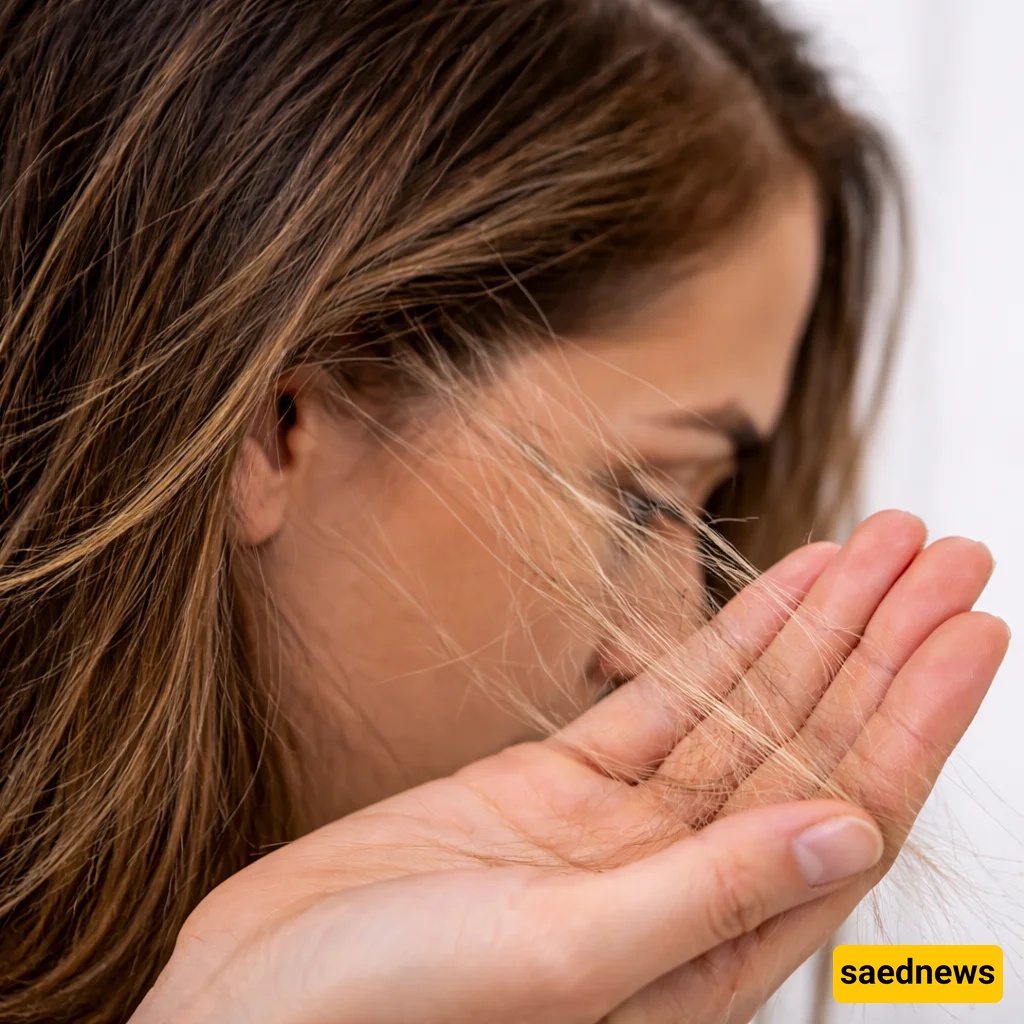
Hair care works best when it matches the condition and needs of the hair. Frequent exposure to high heat, aggressive brushing, excessive washing, or products that leave the hair feeling dry can contribute to roughness and breakage.
Instead of adding more products immediately, review your routine. Consider whether you have recently increased heat styling, changed your washing habits, started using a new product, or become more aggressive when detangling.
If your hair has become noticeably dry or difficult to manage, try making a few gentle changes:
Handle wet hair carefully. Wet hair can be more vulnerable to stretching and breakage, so avoid rough towel drying and forceful brushing.
Reduce unnecessary heat. Allowing hair to dry naturally when practical can reduce repeated heat exposure.
Use conditioning regularly. A suitable conditioner can improve manageability and reduce friction during combing.
Avoid excessive product changes. Changing several products at once makes it difficult to identify what is helping or irritating your hair.
A change in hair texture alone is usually not enough to identify its cause. However, persistent or significant hair loss, bald patches, scalp pain, severe itching, inflammation, or other unusual symptoms may warrant advice from a dermatologist or other qualified healthcare professional.
The key is to treat changes in your hair as feedback rather than simply adding more products. A routine that worked well before may need to be adjusted as your hair, environment, washing habits, or styling practices change.