SAEDNEWS: Snow Aglaonema, with its variegated silver leaves, is a beautiful and resilient houseplant that is well suited to apartment living. In this article, we explore everything you need to know about its light requirements, watering, soil, and propagation.
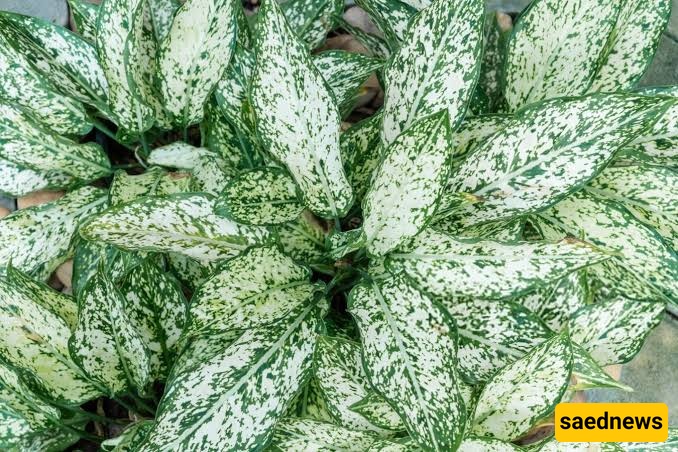
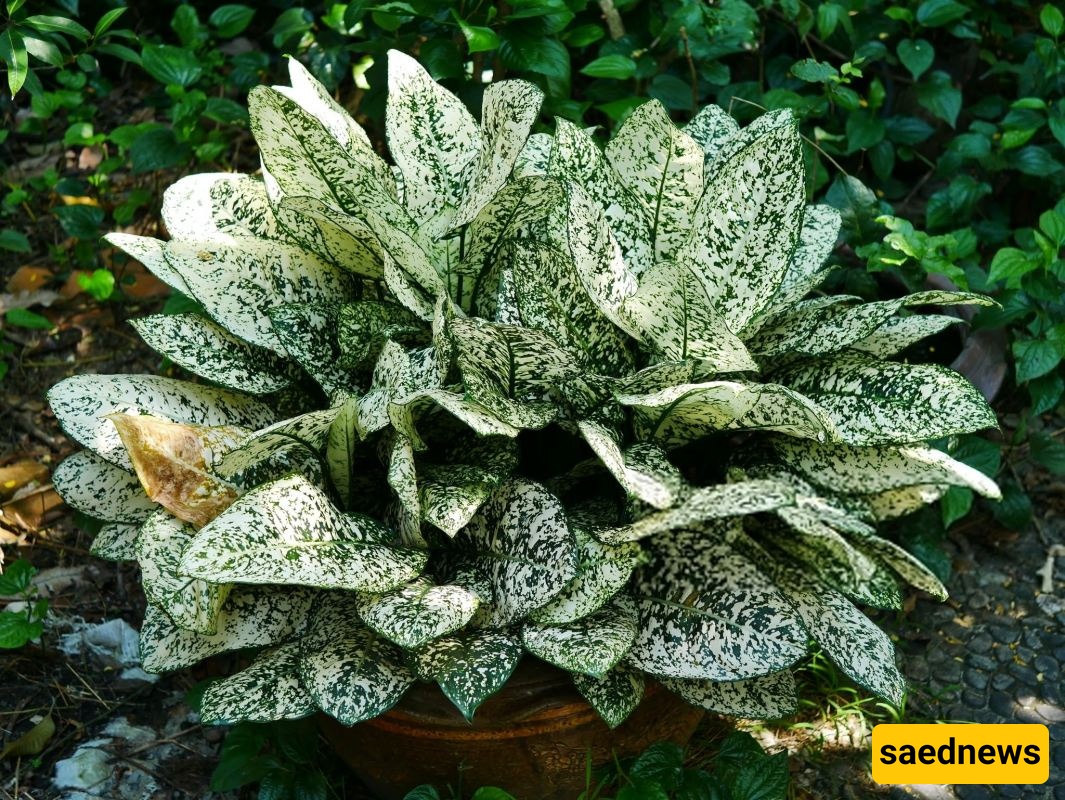
According to Saednews, Snow White Aglaonema is one of the most popular houseplants among indoor gardening enthusiasts. With its beautiful variegated, silver-toned leaves, this plant adds a modern and eye-catching touch to any space. Its excellent resilience also makes it an ideal choice for beginners.
If you are looking for a plant that combines beauty with low maintenance, Snow White Aglaonema is an excellent choice. In this comprehensive guide, we will cover everything you need to know about caring for this plant, from lighting and watering to soil, fertilization, propagation, and common problems.
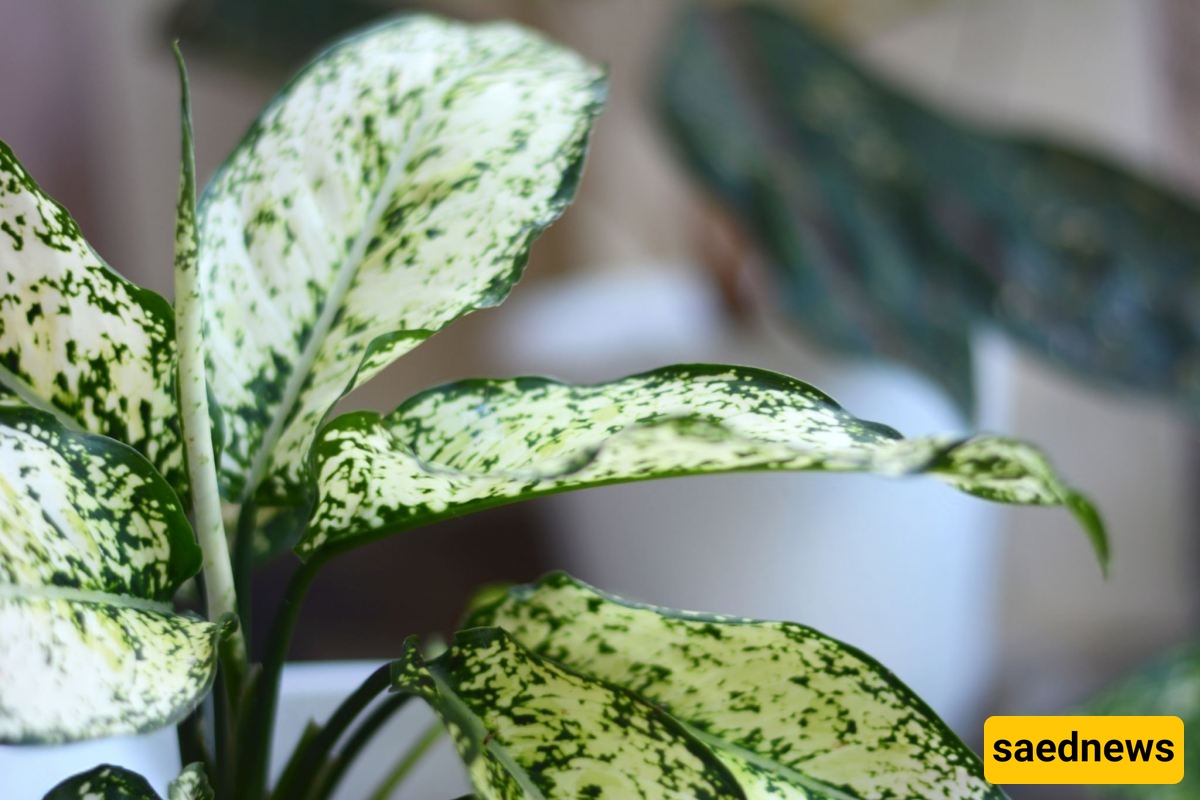
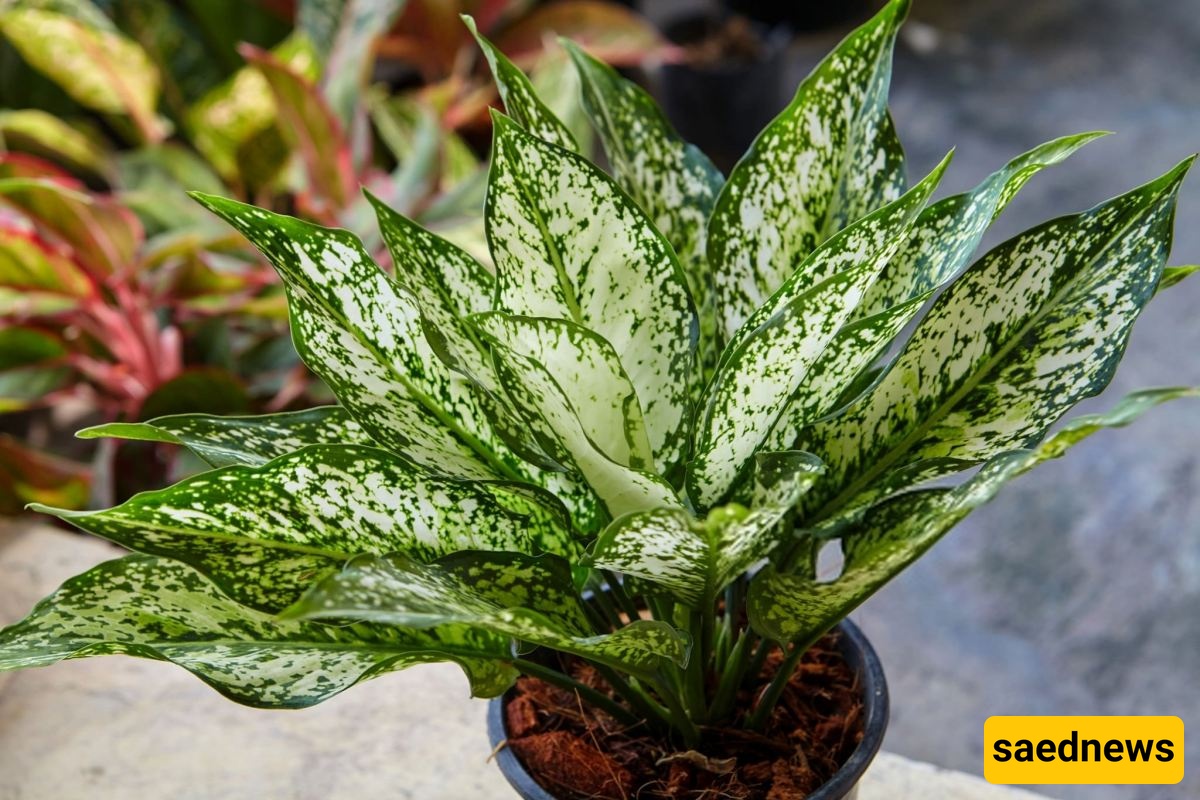
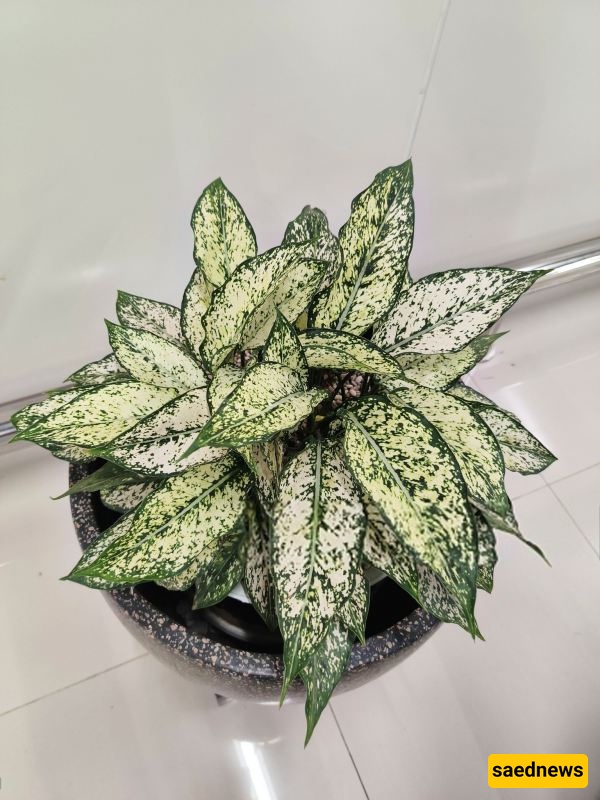
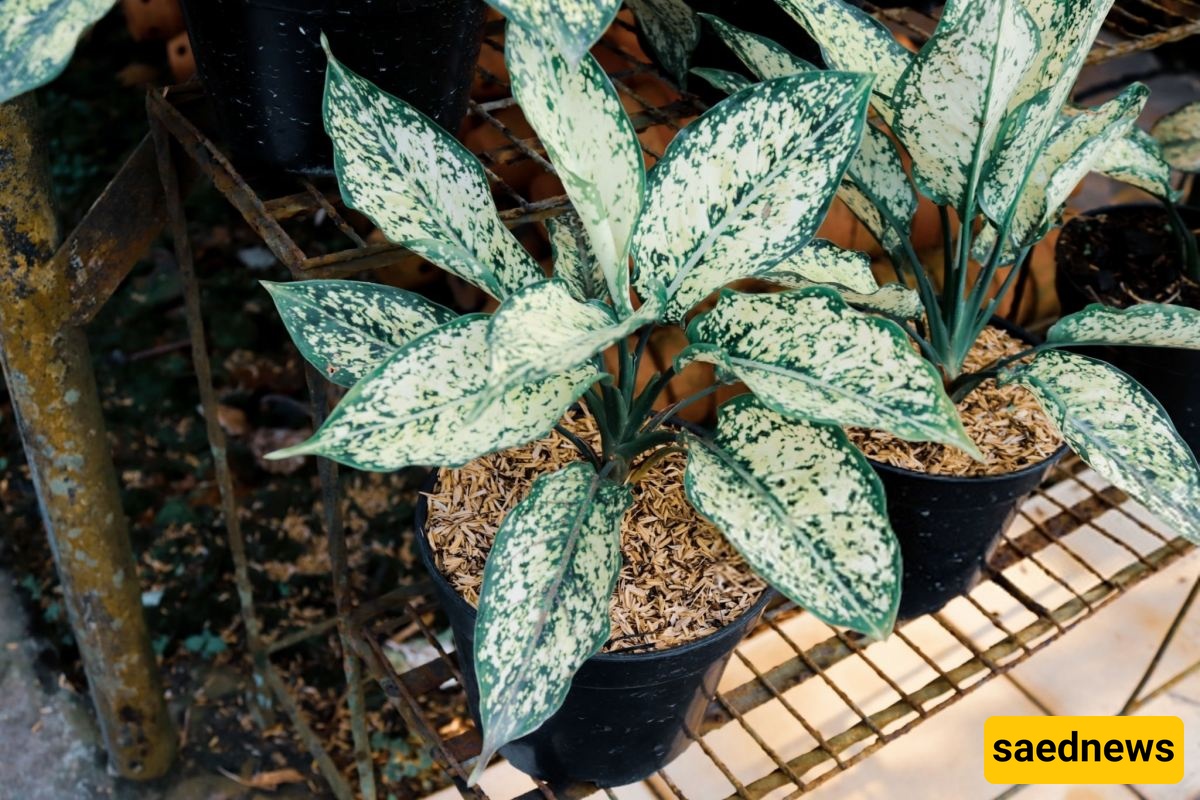
Aglaonema belongs to the Araceae family and is native to the tropical forests of Southeast Asia. There are many different Aglaonema varieties, but Snow White Aglaonema, commonly associated with names such as Aglaonema 'Snow White' and Silver Queen, is especially popular for its greenish-silver leaves marked with bright white and pale patterns.
This plant typically grows to around 30–60 centimeters (12–24 inches) tall. Although it grows relatively slowly, it can remain healthy in a pot for many years, making it a long-lasting choice for indoor decoration.
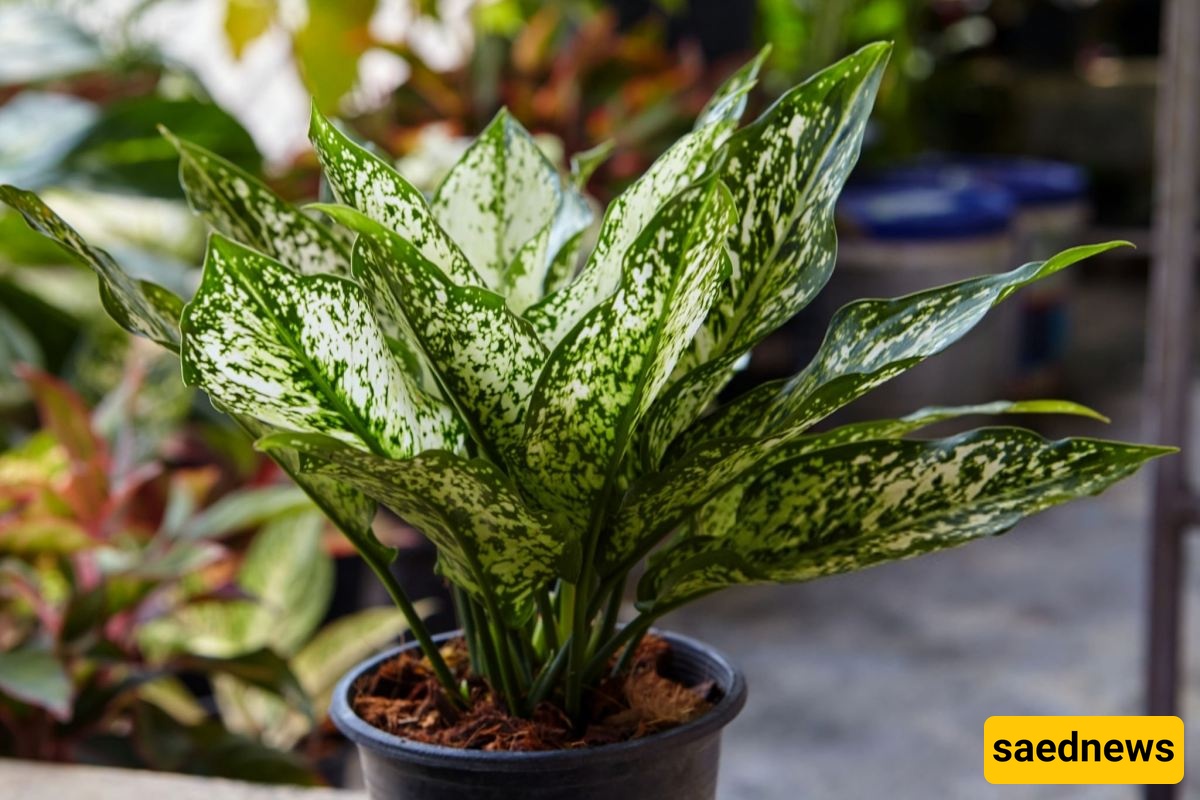
To keep Snow White Aglaonema healthy and attractive, it is important to provide conditions that resemble its natural tropical environment as closely as possible. This tropical plant prefers indirect light, moderate warmth, and relatively high humidity.
Snow White Aglaonema prefers bright but indirect light. Direct sunlight can scorch the leaf tips and cause the white and silver patterns to fade.
An ideal location is approximately 1–2 meters (3–6 feet) away from an east- or south-facing window, depending on the intensity of the sunlight.
If there is not enough natural light, you can use fluorescent lighting or LED grow lights. Keep in mind that in low-light conditions, Aglaonema leaves may become greener and gradually lose some of their attractive variegation.
Snow White Aglaonema is a warm-loving plant. Its ideal growing temperature is between 18°C and 27°C (64°F–81°F).
The plant is sensitive to cold temperatures, so during winter, avoid placing it next to cold windows or in the path of air conditioners or cold drafts.
Temperatures below 15°C (59°F) can damage the leaves and increase the risk of root problems. If you live in a cold climate, protect the plant from sudden drops in temperature and cold air.
As a tropical rainforest plant, Aglaonema prefers relatively high humidity. Indoor environments are often much drier than its natural habitat, especially during winter, but there are several simple ways to improve humidity.
You can place the pot on a tray filled with pebbles and water, use a humidifier, or occasionally mist the plant with low-mineral water.
However, avoid excessive misting in cold or poorly ventilated conditions, as consistently wet foliage can increase the risk of fungal problems.
Proper watering is one of the most important aspects of houseplant care. Aglaonema benefits from regular watering, but its roots should never be left sitting in water. In general, the plant tolerates slight dryness better than excessive watering.
A useful rule is to allow the surface layer of the potting mix to dry between waterings.
Insert your finger about 3 centimeters (1 inch) into the soil. If the soil feels dry, it is time to water.
During the growing season, particularly spring and summer, the plant may need watering approximately twice a week, depending on temperature, humidity, pot size, and soil conditions. During winter, growth slows and the plant requires less water, so allow the soil to dry more thoroughly before watering again.
Use chlorine-free or properly settled tap water when possible. Allowing tap water to sit for approximately 24 hours can help reduce chlorine exposure, although water quality varies by location.
Snow White Aglaonema needs a lightweight, fertile potting mix with excellent drainage.
A suitable mixture can consist of well-decomposed leaf compost combined with perlite and a small amount of coco coir. This type of mix can retain enough moisture while still allowing sufficient oxygen to reach the roots.
A slightly acidic to neutral pH is generally suitable, around 5.5–7.
If you are using a commercial potting mix designed for indoor plants, make sure the container has adequate drainage holes. Good drainage is much more important than placing a layer of rocks at the bottom of the pot, which does not necessarily improve drainage.
To encourage healthy growth and maintain attractive foliage, fertilize the plant during its active growing period, typically from spring through late summer.
A balanced liquid fertilizer, such as a 20-20-20 formula, can be used approximately every two weeks when the plant is actively growing.
Dilute the fertilizer to about half the strength recommended on the package to reduce the risk of root damage or fertilizer burn.
Reduce or stop fertilizing during autumn and winter when the plant's growth naturally slows.
Aglaonema can be propagated in several ways, but division and stem cuttings are among the most common methods.
If your plant has become large and has developed several stems or growth points, you can divide it during repotting.
Carefully separate the plant into several sections, making sure each section has healthy roots and several leaves. Plant each division in a separate container with fresh, well-draining potting mix.
After division, keep the new plants in a bright but shaded location for several days while they adjust and establish their roots.
To propagate from a stem cutting, choose a healthy stem and use a clean, sterilized knife to take a cutting approximately 10 centimeters (4 inches) long.
Remove the lower leaves and, if desired, dip the cut end in rooting hormone.
The cutting can then be placed in water or planted directly into a moist, well-draining growing medium.
If you propagate it in water, transfer the cutting to a pot once it has developed a healthy root system, which may take several weeks.
Snow White Aglaonema is a relatively slow-growing plant and does not require frequent repotting.
Repot when the roots begin emerging from the drainage holes or when the plant has clearly outgrown its current container.
Early spring is generally a good time for repotting. Choose a new pot only one size larger than the current container to avoid excessive moisture retention.
Even with proper care, Aglaonema can sometimes develop problems. Identifying the symptoms early can help prevent serious damage.
The most common causes of yellow leaves are overwatering and poor drainage.
Check the soil, and if it remains consistently wet, allow it to dry before watering again. Make sure the container has adequate drainage.
Occasional yellowing of older leaves can also be completely natural. Older leaves can be removed once they begin to decline so the plant can focus its energy on new growth.
Insufficient light may also contribute to pale or yellow-looking foliage.
Brown leaf tips are often associated with low humidity, mineral-rich water, or a buildup of salts in the soil.
To address the problem, increase humidity, use filtered or otherwise suitable water, and occasionally flush the potting mix thoroughly with clean water to help remove accumulated mineral salts.
Avoid allowing the pot to remain submerged in the drained water.
Aglaonema is generally a relatively pest-resistant houseplant, but it can occasionally be affected by mealybugs, spider mites, or aphids.
Common signs include cotton-like clusters, fine webbing, distorted leaves, or sticky foliage.
If pests appear, gently wipe the affected areas with a cloth or cotton swab dampened with soapy water. Insecticidal soap or horticultural oils can also be used according to their product instructions.
Fungal problems such as root rot are usually associated with excessive moisture and poor drainage. Keep the plant in a well-ventilated area and avoid keeping the soil constantly waterlogged.
Aglaonema contains calcium oxalate crystals and is toxic if ingested by people or pets.
Chewing or swallowing parts of the plant may cause irritation and swelling of the mouth and throat, excessive drooling, and digestive discomfort.
For this reason, keep Snow White Aglaonema out of the reach of children and pets.
It is also a good idea to wear gloves when pruning, repotting, or handling damaged plant tissue, as the sap may irritate sensitive skin.
Snow White Aglaonema is an attractive, resilient, and relatively low-maintenance houseplant that can bring freshness and character to a home or office for many years.
By providing bright indirect light, balanced watering, well-draining soil, suitable temperatures, and adequate humidity, you can encourage healthy growth and enjoy its distinctive variegated foliage.
Regular observation is also important. Checking the plant periodically makes it easier to detect pests, watering problems, or root issues before they become serious.
If you want an elegant indoor plant that is attractive without requiring constant attention, Snow White Aglaonema can be an excellent addition to your indoor garden.