SAEDNEWS: The health benefits of nuts and dried fruits make them an excellent addition to a healthy diet during middle age and later life. Below, we explore some of the key benefits of including nuts in the diet of older adults.
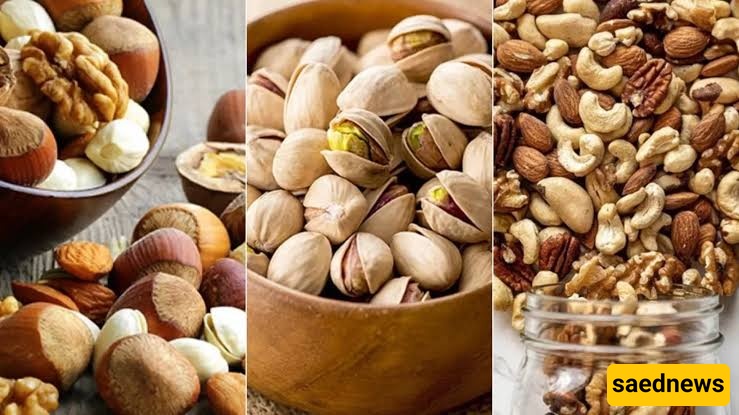
According to Saednews, Preventing cardiovascular disease, diabetes, cancer, weight gain, and Alzheimer’s disease, as well as helping relieve pain and reduce joint swelling in older adults with osteoarthritis, are among the potential health benefits associated with eating nuts.
Choosing nutritious nuts such as walnuts and pistachios can provide significant health benefits for older adults. Including healthy nuts regularly in the diet may help reduce the risk of several age-related health problems and support a better quality of life.
Area of Health | Potential Benefits |
|---|---|
Heart and Blood Vessels | Lower LDL cholesterol, reduced risk of heart disease, and support for heart health |
Brain and Memory | Reduced inflammation and support for memory, concentration, and cognitive health |
Weight Management | Greater satiety, reduced overeating, and support for maintaining a healthy weight |
Diabetes | Better blood sugar control and potentially fewer complications associated with type 2 diabetes |
Joints | Reduced inflammation, swelling, and discomfort associated with osteoarthritis |
Cancer | Potentially lower risk of certain cancers, including colorectal and prostate cancer |
Sleep | Potential improvement in sleep quality |
Nuts suitable for older adults contain healthy fatty acids, fiber, plant sterols, and essential minerals that can contribute to cardiovascular health. Research suggests that people who regularly consume a serving of nuts may have a lower risk of death from heart disease.
The American Heart Association recommends choosing unsalted nuts as part of a heart-healthy eating pattern. Regardless of age, incorporating an appropriate amount of nuts into the diet can be one way to support cardiovascular health.
Nuts are not only beneficial for the heart; they may also support brain and cognitive health in older adults. Chronic inflammation in the body has been associated with cognitive decline and neurodegenerative diseases such as Alzheimer’s disease.
Nutrient-rich nuts, including walnuts, contain compounds that may help reduce inflammation. Including nuts as part of a balanced diet may therefore support concentration, memory, and overall cognitive function.
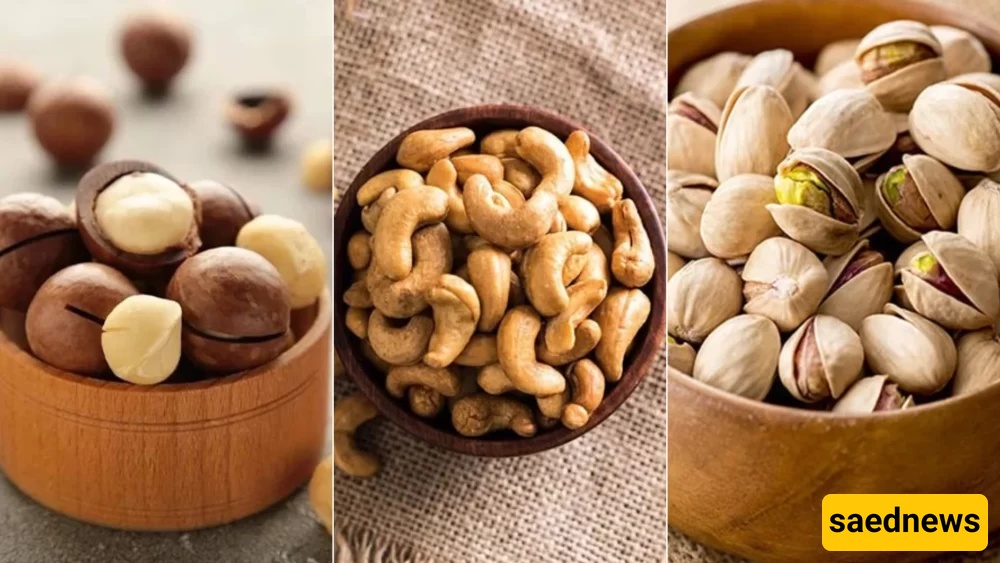
Although nuts are relatively high in calories and fat, regular consumption does not necessarily lead to weight gain. Research has found that people who eat nuts several times a week may have a lower risk of developing obesity.
One reason may be their combination of fiber, protein, and healthy fats, which can promote a longer-lasting feeling of fullness and help reduce overeating. Their anti-inflammatory properties may also play a role in maintaining a healthy weight as people age.
Some nuts may help older adults maintain healthier blood sugar levels and reduce the risk of type 2 diabetes. Regular consumption of nuts such as pistachios may support metabolic health and potentially help reduce some diabetes-related complications.
When eaten alongside carbohydrate-rich foods, nuts may slow digestion and help prevent sharp increases in blood glucose. Almonds, pistachios, peanuts, and walnuts are among the nutritious choices that can be included in a balanced diet for older adults.
As people age, joint stiffness and discomfort can become increasingly common. Including nutritious nuts in the diet may help support joint health and, in some cases, contribute to reduced inflammation and discomfort associated with osteoarthritis.
Regular nut consumption can support weight management, which may reduce the amount of pressure placed on the joints. In addition, certain anti-inflammatory compounds found in nuts may help reduce inflammation and support joint function.
As people get older, the risk of many chronic diseases, including cancer, increases. Nutrition can play an important role in maintaining overall health during this stage of life.
One potential benefit of regular nut consumption is its association with a lower risk of certain cancers. Some research has linked regular nut intake with a reduced risk of colorectal cancer. In people with prostate cancer, consuming nuts several times a week has also been associated with longer survival in some studies.
Nuts may additionally support cardiovascular and metabolic health, contributing to overall resilience and well-being. As part of a balanced eating pattern, an appropriate amount of nuts can therefore be a nutritious addition to the diet during middle and older age.
Nuts are calorie-dense, but they can still be a nutritious snack for older adults. A small handful can provide energy along with fiber, protein, healthy fats, vitamins, minerals, and other important nutrients. Their ability to promote fullness may also help reduce unnecessary snacking and overeating.
Older adults can enjoy the nutritional benefits of nuts while maintaining a healthy weight by paying attention to portion sizes. Moderation is key, and a small handful of nuts per day is generally considered a practical serving as part of a balanced diet.