SAEDNEWS: Elbow skin is often rougher because it has a thicker outer layer, fewer oil-producing glands, and frequent contact with surfaces. Dryness, pressure, friction, and repeated bending can make the area feel harder and less smooth.
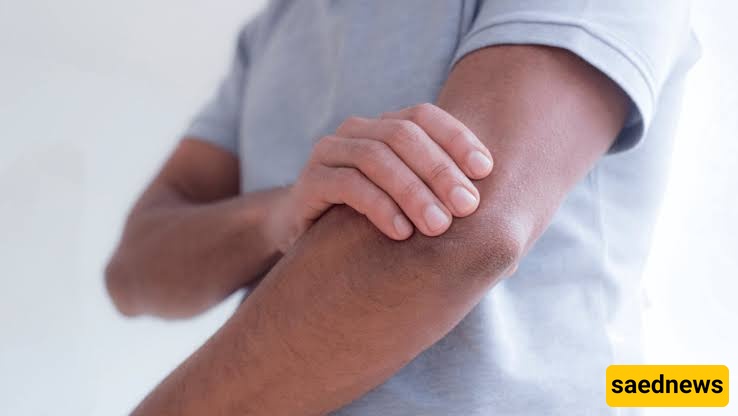
According to SAEDNEWS, the skin around the elbows naturally has a different structure from many other areas of the arms. The outer layer can become thicker because the elbows regularly experience pressure and movement. Since the skin must tolerate frequent bending and contact, it may gradually develop a tougher texture.
One important reason is the relatively low amount of oil-producing glands around the elbows. Natural skin oils help maintain softness and reduce water loss. When less oil reaches the surface, the skin can become dry more easily, making the elbows feel rough or tight.
Elbows often rest on desks, tables, armrests, or other surfaces. Repeated pressure and friction can encourage the outer layer of skin to become thicker. Everyday movements, especially repeated bending and stretching, can also contribute to a rougher texture.
Cold weather, dry air, frequent washing, and insufficient moisturizing can increase dryness around the elbows. As moisture decreases, tiny areas of the outer skin may become flaky or uneven. Roughness can therefore become much more noticeable during periods when the skin is especially dry.
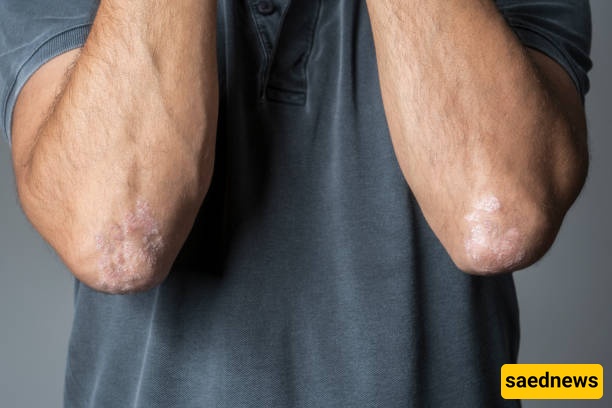
Keeping the area moisturized regularly can help maintain a softer texture. Gentle cleansing is preferable to aggressive scrubbing, which may increase irritation. Applying a suitable moisturizer after bathing can also help retain moisture and improve the overall feel of elbow skin.
Elbow roughness is usually a normal result of skin structure, dryness, friction, and pressure. However, sudden changes, persistent itching, significant redness, cracking, or thick patches elsewhere on the body may deserve professional attention. Otherwise, consistent moisturizing and reducing unnecessary friction can often help keep the area more comfortable.