SAEDNEWS: A healthy-looking plant can suddenly lose a leaf because of changes in watering, temperature, light, humidity, or natural aging. Understanding these common causes can help you identify the problem early and keep the plant growing well.
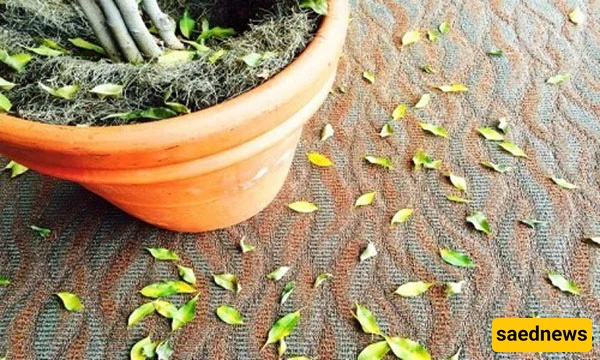
According to SAEDNEWS, sudden leaf loss does not always mean that a plant is unhealthy. Plants naturally replace older leaves, and an occasional fallen leaf can be part of normal growth. However, if several leaves drop within a short time, the plant may be reacting to an environmental change or stress.
Too much or too little water is one of the most common reasons for unexpected leaf drop. When the soil stays excessively wet, roots may struggle to function properly. On the other hand, very dry soil can cause leaves to lose moisture and fall. Keeping watering consistent and checking the soil before watering can help prevent sudden stress.
Plants can react quickly when their surroundings change. Moving a plant from a bright window to a darker location, or placing it near a cold draft or strong heat source, may cause leaves to fall. Sudden temperature fluctuations can be especially stressful, so keeping the plant in a stable environment is generally better.
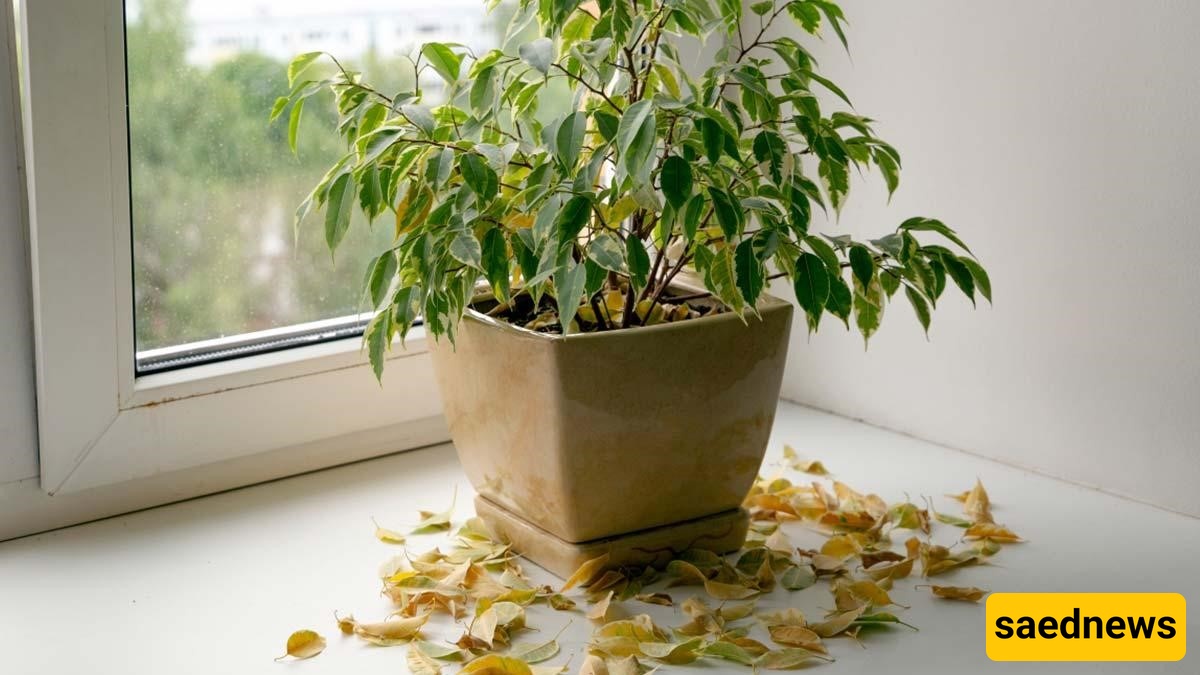
Low humidity can make some plants more sensitive to environmental stress. Dry indoor air, particularly during periods of heating, may contribute to leaf problems. Improving the surrounding humidity and avoiding strong direct airflow can help reduce unnecessary leaf loss.
Sometimes a fallen leaf is simply an old leaf reaching the end of its life. Older leaves may gradually change color before separating from the plant, while new growth remains healthy. If only an occasional older leaf drops and the rest of the plant looks vigorous, there may be no serious problem.