SAEDNEWS: Yellowing leaves, drooping stems, slow growth, and leaf damage can result from either poor lighting or incorrect watering. Learning to recognize the differences between these problems can help you adjust your plant’s care more effectively.
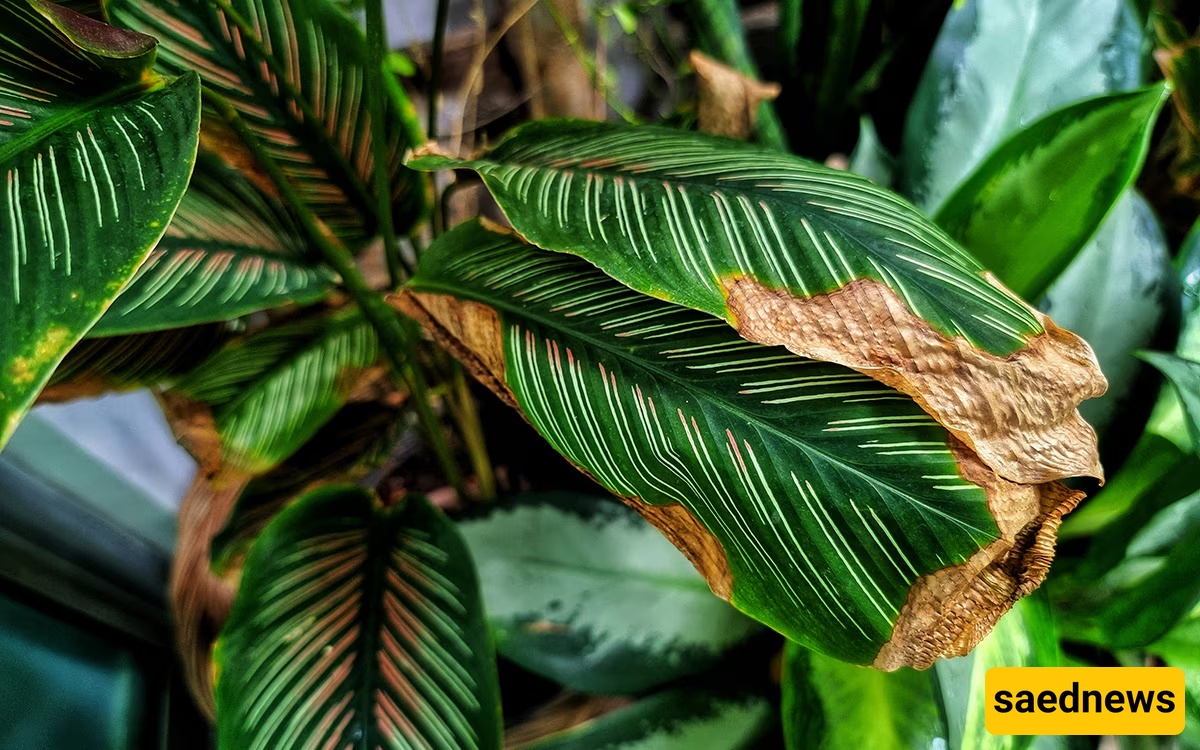
According to SAEDNEWS, light and watering are two of the most important factors affecting plant health. When a plant begins to look weak, identifying the cause can be challenging because similar symptoms may appear for different reasons. Checking the soil, observing the leaves, and considering the plant’s location can provide useful clues.
Plants receiving too little light may develop slow growth, pale leaves, and long, weak stems as they try to reach a brighter area. A plant exposed to excessively strong direct sunlight may instead develop dry, brown, or scorched patches on its leaves. If symptoms are concentrated on the side facing a bright window, light may be contributing to the problem.
Watering problems often become clearer by checking the soil. Overwatering can leave the soil consistently wet and may cause yellowing leaves, soft stems, or leaves that fall easily. Underwatering usually produces dry soil, drooping leaves, curled edges, and a generally wilted appearance. Checking the moisture below the surface is more useful than judging the soil only by its appearance.
Before moving the plant or changing its watering schedule, look for several symptoms together. A plant with dry soil and drooping leaves may need water, while one sitting in constantly wet soil may need better drainage and less frequent watering. If the soil condition seems appropriate but the plant has pale, stretched growth, insufficient light may be the more likely cause.
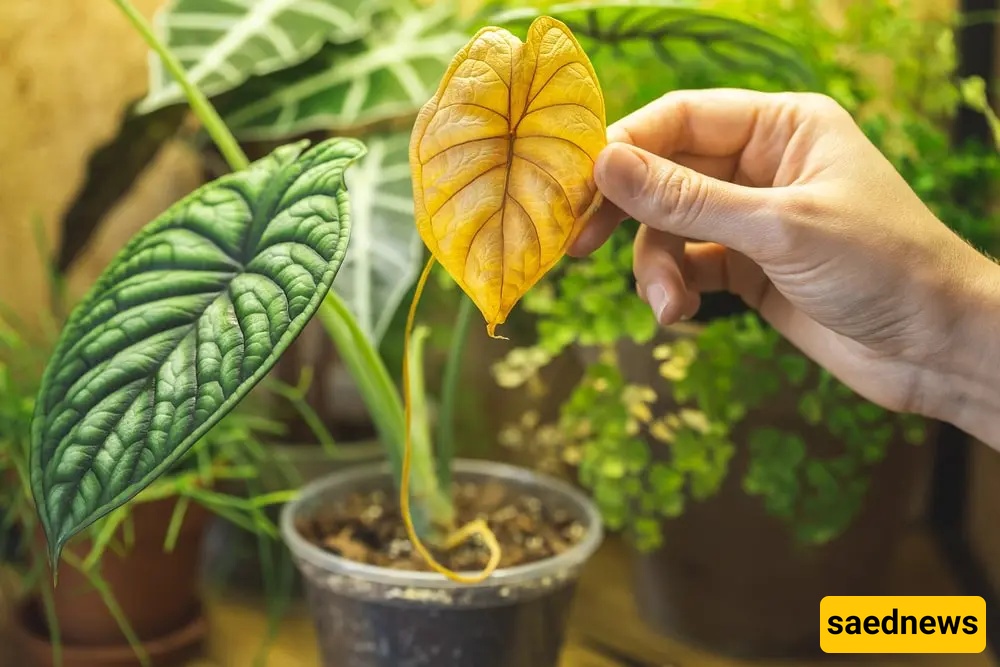
Avoid changing both light and watering at the same time because it becomes difficult to determine what actually helped. Adjust one factor gradually and observe the plant for several days. Place it in a suitable light level, allow the soil to reach an appropriate moisture level between waterings, and monitor new growth. Healthy new leaves and stronger growth are often better indicators of improvement than older damaged leaves.