SAEDNEWS: How Many Systems Does a Bicycle Have? A Guide to Bicycle Components, Gear Types, Model Differences, and Essential Tips for Choosing the Right Bike from Delgarm.
According to Saednews, Many people considering buying a bicycle first ask how many gears it has and which gear system is best for their needs. However, understanding a bicycle’s system is not simply about counting gears. It also involves pedaling comfort, safety, control, and durability. Knowing the differences between bicycle gear systems can help you make a more informed choice based on your age, riding route, and intended use.
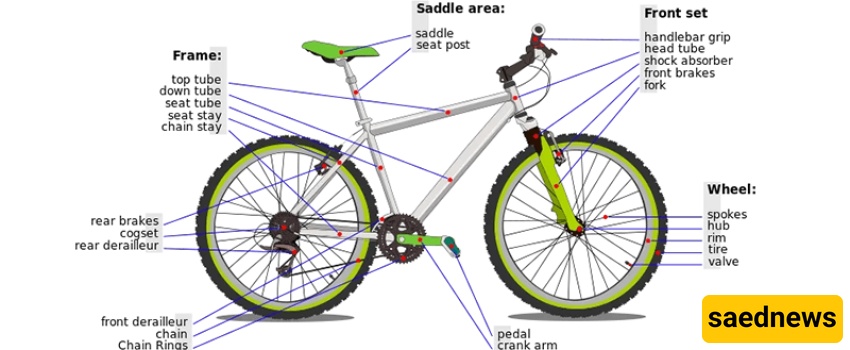
Before answering the question of how many gears a bicycle has, it is important to understand what a “system” means in this context. A bicycle’s drivetrain is a group of components that transfers power from the pedals to the rear wheel and helps provide smooth movement and better control.
The main components include the bicycle gears, chain, cassette or freewheel, crankset, and derailleur. Working together, these parts allow the rider to adjust the bicycle’s performance according to different riding conditions.
A suitable gear system can make cycling easier on different types of terrain. For example, when riding uphill or over uneven surfaces, shifting to an easier gear reduces the pressure on the rider’s legs and helps conserve energy. On flat roads, higher gears can be used to achieve greater speed.
Not every bicycle has multiple gears. Some models have a single fixed gear and are designed mainly for everyday riding on flat roads, while more advanced bicycles have multiple gears for different types of terrain.
Parents often wonder whether their child needs a multi-speed bicycle or whether a simpler model would be more appropriate. The answer depends on the child’s age, height, cycling ability, and the type of route where the bicycle will be used.
For younger children, single-speed bicycles are usually a practical choice. Their simpler design makes them easier to operate, allowing children to focus on essential skills such as maintaining balance, braking, steering, and controlling their direction.
As children grow older and become more experienced riders, a bicycle with several gears may be suitable. Multi-speed bicycles can be helpful for children who ride on varied or hilly terrain. However, having more gears does not automatically make a bicycle better. The gear system should match the child’s ability and intended use.
Parents looking for a children’s bicycle should consider the following points:
Choose a bicycle size appropriate for the child’s height.
Make sure the brakes are smooth and easy to control.
Ensure the chain is properly protected so clothing cannot become caught in it.
Choose a bicycle with an adjustable seat and handlebar when possible.
Make sure the bicycle’s weight is suitable for the child’s physical strength.
One of the most common questions when buying a bicycle is whether having more gears means having a better bicycle. Bicycle gear systems can generally be divided into two main categories:
Single-speed
Multi-speed
The main difference is how power is transferred and whether the rider can change gears according to riding conditions.
Single-speed bicycles do not have multiple gears, which gives them a simpler mechanical design and generally reduces maintenance requirements. If you mainly ride on flat roads or use a bicycle for short daily trips, a single-speed model can be a practical option.
Some of the main advantages of single-speed bicycles include lower weight, less wear, easier maintenance, and a straightforward drivetrain. For this reason, many city bicycles and children’s bicycles use a single-speed setup.
Multi-speed bicycles allow riders to select an appropriate gear according to the terrain and riding conditions. This makes climbing hills easier and can reduce fatigue during longer rides.
The right gear allows the rider to maintain a comfortable pedaling rhythm instead of applying excessive force. As a result, multi-speed bicycles can be particularly useful for riders who regularly encounter hills, varied terrain, or longer distances.
The number of gears affects how much flexibility a bicycle offers in different riding conditions. More gear options can make it easier to find a comfortable pedaling resistance, but a higher gear count does not necessarily mean better quality.
The most suitable option depends on the rider and the terrain.
Six-speed bicycles are commonly suitable for everyday riding, urban routes, and relatively flat roads. They provide several gear options while maintaining a fairly simple design and straightforward maintenance.
For people who mainly travel through city streets or ride short distances, a 6-speed bicycle can offer a good balance between usability, performance, and simplicity. Teenagers and beginners may also find this type of setup easy to use.
A 7-speed bicycle provides slightly more flexibility than a 6-speed model. Although the additional gear may seem insignificant, it can make a noticeable difference when riding on gentle hills or over longer distances.
This type of bicycle can be a good choice for people who use their bicycle for everyday transportation but occasionally ride outside the city or on moderately uneven roads.
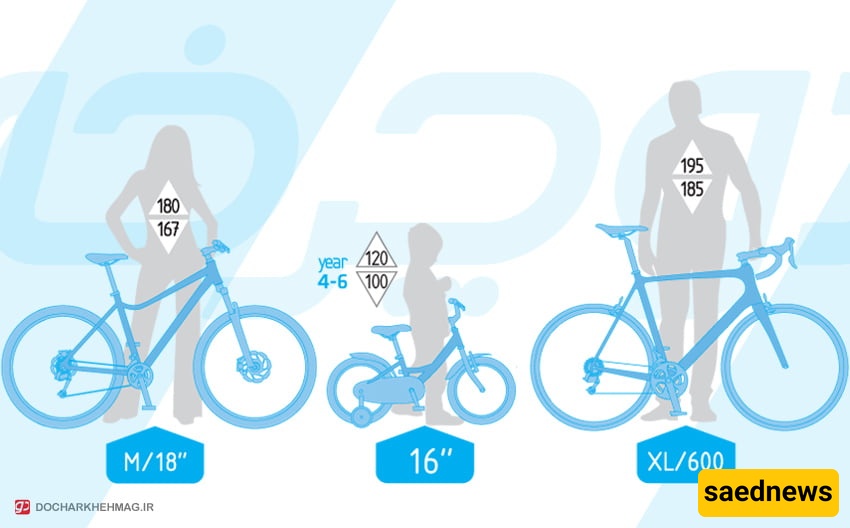
A 21-speed bicycle can be more versatile when riding on hilly terrain, dirt roads, or steeper inclines. These bicycles typically combine different front and rear gear ratios, giving riders a wider range of options for managing difficult terrain.
However, a 21-speed bicycle is not necessary for everyone. If most of your riding takes place on flat urban roads, having many gears may provide little practical benefit.
Overall, 6- and 7-speed bicycles can work well for everyday urban cycling, while 21-speed models may be more appropriate for riders who regularly encounter varied, hilly, or off-road terrain.
Choosing the right bicycle system depends not only on the number of gears but also on the bicycle’s intended purpose. Each type of bicycle is designed for particular conditions, and the relationship between the drivetrain, brakes, tires, and other components plays an important role in performance and safety.
City bicycles are generally designed for daily transportation on paved streets and relatively smooth surfaces. They often use a single-speed or 6- to 7-speed system to keep operation simple and maintenance manageable.
Mountain bicycles are designed for rougher terrain and often feature multiple gears, wider tires, and stronger braking systems. These features help them perform better on uneven trails, dirt roads, and steep climbs.
Children’s bicycles focus primarily on safe and comfortable learning. Many are therefore equipped with a simple drivetrain, a limited number of gears, or no gears at all. This allows children to concentrate on fundamental skills such as balancing, steering, and braking without having to manage complicated gear changes.
Whether you choose a single-speed or multi-speed bicycle, safety should always be a priority. Before every ride, check that the brakes are working properly, the chain is in good condition, and the wheels are securely attached.
The saddle should also be adjusted to a suitable height so the rider can maintain better control of the bicycle.
Wearing a properly fitted helmet is especially important for children. A helmet can significantly reduce the risk of serious head injury in the event of a fall.
There is no single bicycle gear system that is best for everyone. The ideal choice depends on the rider’s age, experience, intended use, and the type of terrain they regularly ride on.
Single-speed bicycles are simple and practical for flat urban routes, while 6- and 7-speed models provide greater flexibility for everyday riding. For hilly, uneven, or off-road terrain, bicycles with a wider range of gears, such as 21-speed models, can offer greater versatility.
By understanding the differences between single-speed and multi-speed bicycles and choosing a system that matches your actual needs, you can enjoy a more comfortable, controlled, safe, and enjoyable cycling experience.