SAEDNEWS: Pressure, criticism, unrealistic expectations, and ignoring children’s preferences can make exercise less enjoyable. A positive and supportive approach can help children stay active and interested.
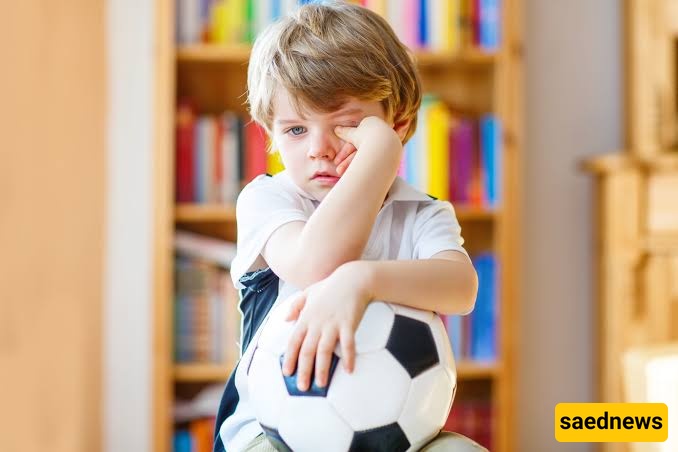
According to SAEDNEWS, children often become less interested in exercise when physical activity is presented as an obligation rather than an enjoyable part of daily life. Parents and caregivers can unintentionally create negative feelings by placing too much emphasis on performance, speed, or winning.
Constantly telling children that they must exercise or expecting them to perform at a certain level can make physical activity feel stressful. Children need opportunities to move at their own pace and gradually improve their abilities. Encouragement is generally more effective than pressure.
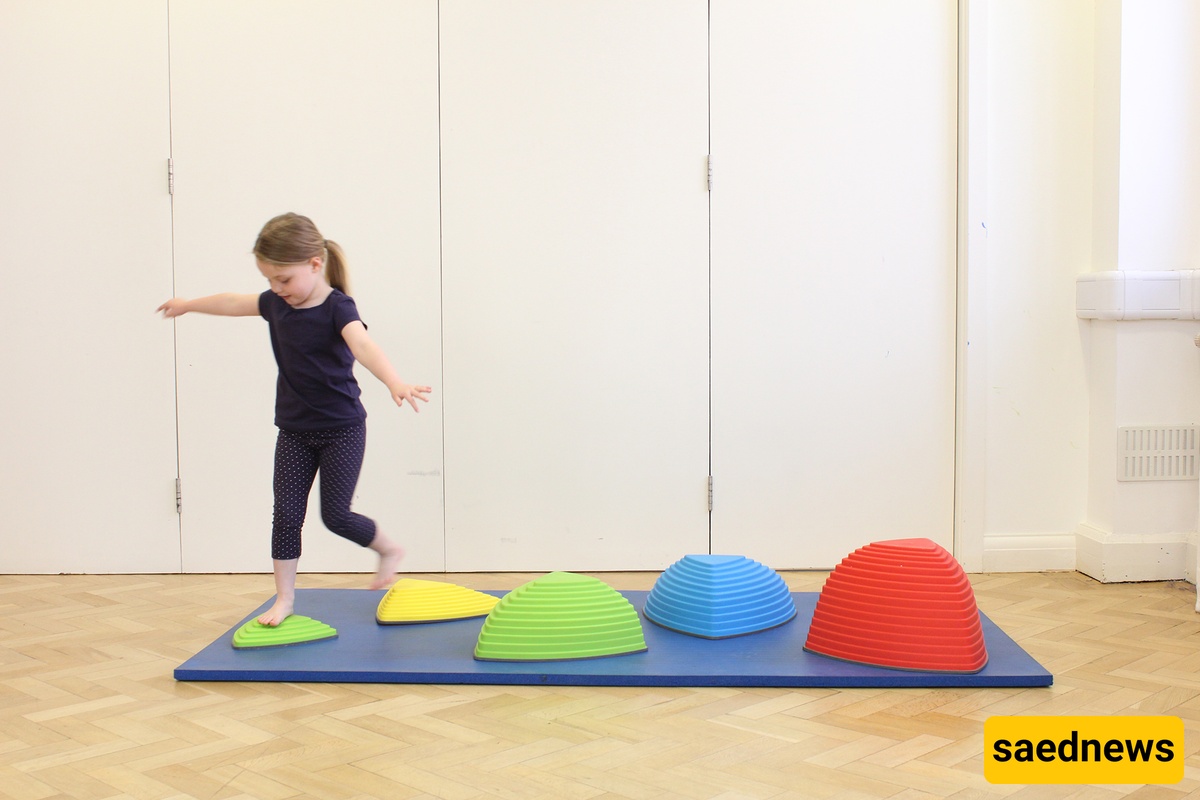
Frequent criticism about a child’s physical abilities can reduce confidence and motivation. Comparing a child with siblings, classmates, or friends may also make exercise feel like a test they can fail. Recognizing effort and small improvements can help children feel proud of their progress.
Not every child enjoys the same activities. Some may prefer walking, cycling, running, stretching, or simple outdoor games, while others may enjoy different forms of movement. Giving children suitable choices can make exercise more enjoyable and help them feel involved in the decision.
Using physical activity as a punishment can create a negative association with movement. Exercise works better when children connect it with enjoyment, energy, play, and time with family. Keeping activities positive can encourage children to participate willingly.
Children develop physical skills at different rates, so expecting immediate progress can discourage them. A supportive approach focuses on consistency, enjoyment, and gradual improvement rather than perfect performance. With patience and positive encouragement, children can build healthier and more lasting attitudes toward physical activity.