SAEDNEWS: Guarana is considered a medicinal plant with numerous beneficial properties. In the following, we will explore the remarkable health benefits and medicinal properties of this unique plant.

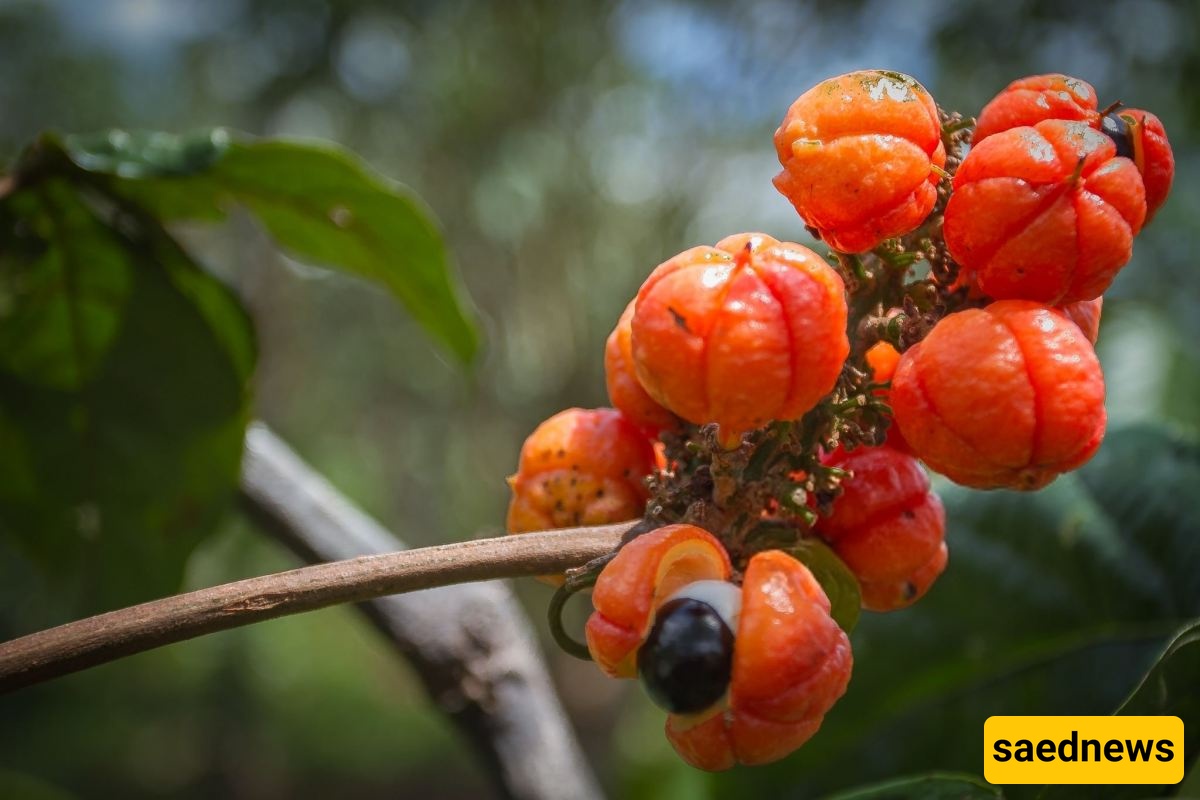
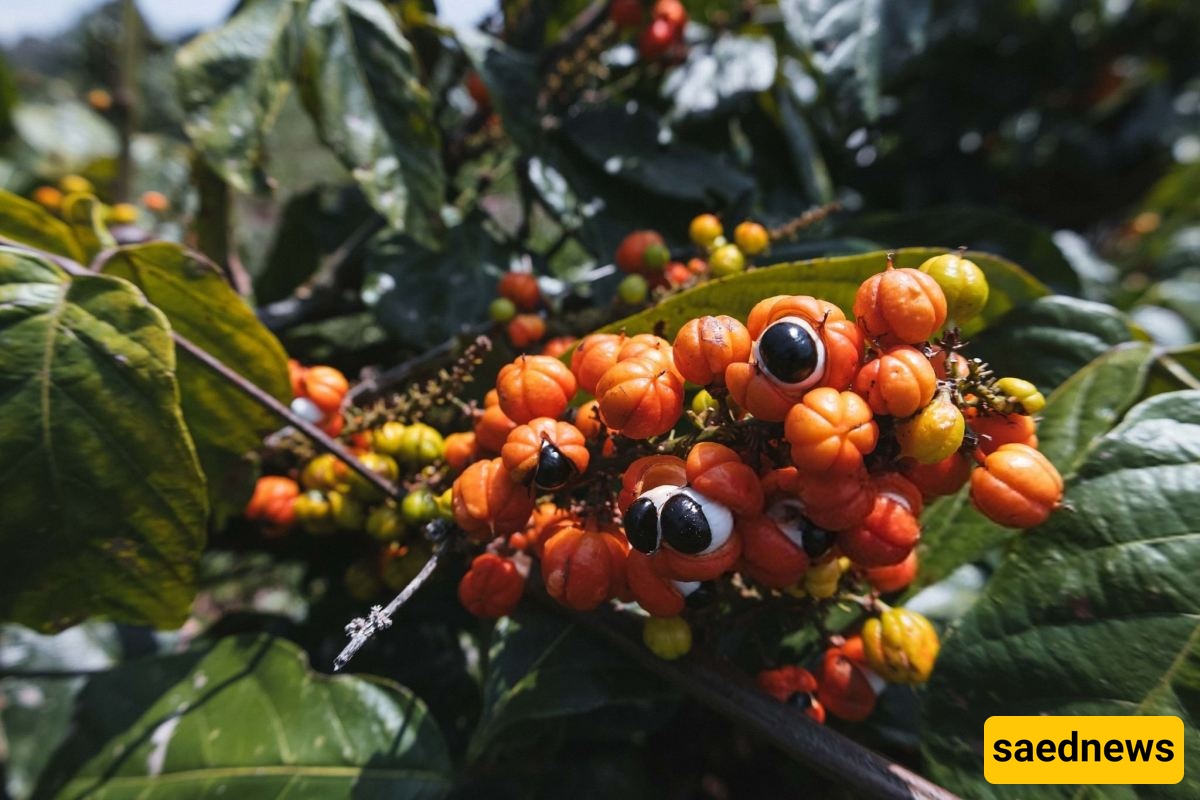
According to Saednews, Guarana (Paullinia cupana) is a climbing plant native to the Amazon rainforest of Brazil. It is especially well known for its small red fruits and caffeine-rich seeds, which have traditionally been used in beverages and natural energy products.
The seeds contain significantly more caffeine than coffee beans, making guarana a popular ingredient in energy drinks and dietary supplements. The fruit is also traditionally associated with digestive support.
Guarana contains antioxidant compounds that may help neutralize free radicals—unstable molecules that can damage cells and contribute to oxidative stress.
Because oxidative stress is associated with aging and several chronic conditions, antioxidants may play an important role in protecting cells. Laboratory research has also explored guarana's potential effects on cancer cells, cardiovascular health, and skin aging, although more human research is needed.
One of guarana's best-known characteristics is its high caffeine content. Caffeine can increase alertness, reduce feelings of tiredness, and support concentration.
For this reason, guarana is commonly included in energy drinks and supplements designed to improve mental and physical performance. Some research has found that products containing guarana may help reduce subjective fatigue compared with placebo.
Research suggests that guarana may have positive effects on certain aspects of cognitive performance.
Studies examining different doses have reported improvements in areas such as attention, memory, and mental performance. Comparisons with other cognitive-support ingredients, including ginseng, have also suggested that guarana may help people remain attentive and complete certain tasks more efficiently.
However, further research is necessary to determine how significant these effects are and which doses are most effective.
Guarana's caffeine content has attracted attention for its potential role in weight management.
Caffeine can temporarily increase metabolic activity and energy expenditure. Some laboratory research has also investigated whether compounds in guarana may influence the formation and activity of fat cells.
Nevertheless, guarana should not be considered a stand-alone weight-loss treatment. Sustainable weight management depends primarily on diet, physical activity, sleep, and other lifestyle factors.
Guarana has traditionally been used as a natural tonic for digestive problems, including diarrhea and constipation.
Its tannin content may contribute to its traditional use for diarrhea, while caffeine can have a mild laxative effect in some people. However, excessive caffeine consumption can also cause digestive discomfort, so moderation is important.
Modern lifestyles can contribute to ongoing psychological and physical stress. Guarana contains caffeine and other plant compounds that have been investigated for their possible effects on stress-related responses.
Some research has examined whether guarana-containing products can influence cortisol, a hormone involved in the body's response to stress. More clinical research is needed before guarana can be considered a proven treatment for stress.
Diabetes is a major chronic health condition involving impaired regulation of blood glucose.
Some preliminary research suggests that compounds found in guarana may influence glucose metabolism and insulin-related processes. However, these findings should not be interpreted as evidence that guarana can replace diabetes medication or standard medical treatment.
People with diabetes should consult a healthcare professional before using concentrated guarana supplements.
Guarana extracts contain antioxidant and antimicrobial compounds that have attracted interest in skincare.
Antioxidants may help protect skin cells from oxidative stress caused by environmental factors. Guarana extract is therefore used in some cosmetic products, including creams and lotions.
However, topical guarana products should not be regarded as a substitute for proven sun protection such as sunscreen and protective clothing.
Because guarana contains antioxidant compounds, researchers have investigated its potential relationship with cancer-related processes.
Free radicals can contribute to cellular damage, while antioxidants can help neutralize them. Laboratory studies have explored whether guarana compounds may influence the growth of certain cancer cells.
Importantly, there is currently not enough evidence to say that guarana prevents or treats cancer in humans. It should not be used as a cancer treatment.
Some research has investigated whether compounds in guarana may influence cardiovascular risk factors such as cholesterol.
High levels of LDL cholesterol can contribute to plaque formation in arteries and increase cardiovascular risk. Guarana's antioxidant and plant compounds have therefore been studied for their possible cardiovascular effects.

However, evidence remains limited, and guarana should not be considered a treatment for high cholesterol or heart disease.
Although guarana can provide several potentially useful plant compounds, its high caffeine content is particularly important. Large amounts may cause insomnia, nervousness, increased heart rate, headaches, or digestive problems.
The caffeine content of guarana products can vary considerably, so it is important to check the product label and consider caffeine from other sources such as coffee, tea, and energy drinks.
Guarana is an Amazonian plant best known for its caffeine-rich seeds. Its potential benefits include supporting alertness and concentration, providing antioxidant compounds, and possibly contributing to metabolic and digestive health. However, many of the proposed health benefits are based on preliminary or laboratory research rather than strong clinical evidence.
For most people, guarana is best viewed as a caffeine-containing botanical supplement rather than a treatment for disease.