SAEDNEWS: The article introduces the best types of bread for fatty liver and highlights important tips for choosing and consuming them.

According to Saednews, Non-alcoholic fatty liver disease (NAFLD) has become one of the most common metabolic disorders worldwide. It occurs when excess fat builds up in liver cells and, if left unmanaged, may progress to inflammation, fibrosis, and even cirrhosis.
Although several factors—including obesity, type 2 diabetes, and metabolic syndrome—can contribute to NAFLD, diet remains one of the most important modifiable factors.
Bread is a staple food in many Iranian households and an important part of the daily diet. However, choosing the wrong type of bread can cause rapid increases in blood glucose and insulin, potentially contributing to the accumulation of fat in the liver.
On the other hand, choosing nutrient-dense, high-fiber bread may support weight management, improve insulin sensitivity, and contribute to better metabolic health. This article explores the most suitable breads for people with fatty liver, the qualities to look for, and practical ways to include bread in a balanced diet.
The liver plays a central role in carbohydrate metabolism. When we eat bread, its carbohydrates are broken down into glucose and enter the bloodstream. When this happens rapidly—as with high-glycemic foods—the pancreas may release a larger amount of insulin.
Persistently elevated insulin levels can promote the conversion of excess glucose into fatty acids, which may then be stored in the liver. Over time, this process can contribute to increased liver fat.
For this reason, choosing bread that produces a slower and more gradual rise in blood glucose can be an important part of a fatty-liver-friendly eating pattern. Whole-grain bread also provides fiber, which slows digestion, promotes fullness, and may help reduce overall calorie intake. Weight loss and improved metabolic health are among the most important lifestyle strategies for managing fatty liver disease.
An ideal bread for someone with fatty liver generally has several characteristics:
A lower glycemic index: Lower-GI breads tend to raise blood glucose more gradually. Whole-grain breads generally have a lower glycemic impact than refined white bread.
High fiber content: Fiber can slow digestion and glucose absorption, promote satiety, and support a healthier gut microbiome.
Whole grains, bran, and germ: These components provide nutrients such as magnesium, zinc, and B vitamins that are involved in energy metabolism.
Little or no added sugar: Some commercial breads contain added sugar, sweeteners, or highly refined flour.
Moderate sodium: Excessive salt intake can contribute to high blood pressure and may be undesirable for overall metabolic and liver health.
Whole-wheat bread made with genuinely whole-grain flour is one of the better choices. Unlike refined white flour, whole-grain flour contains the bran, germ, and endosperm of the wheat kernel.
Its higher fiber content can slow carbohydrate absorption, improve fullness, and support digestive health.
When buying whole-wheat bread, check the ingredient list carefully. A bread labeled “whole grain” should actually contain whole-grain flour rather than simply having a few seeds sprinkled on top of refined white bread.
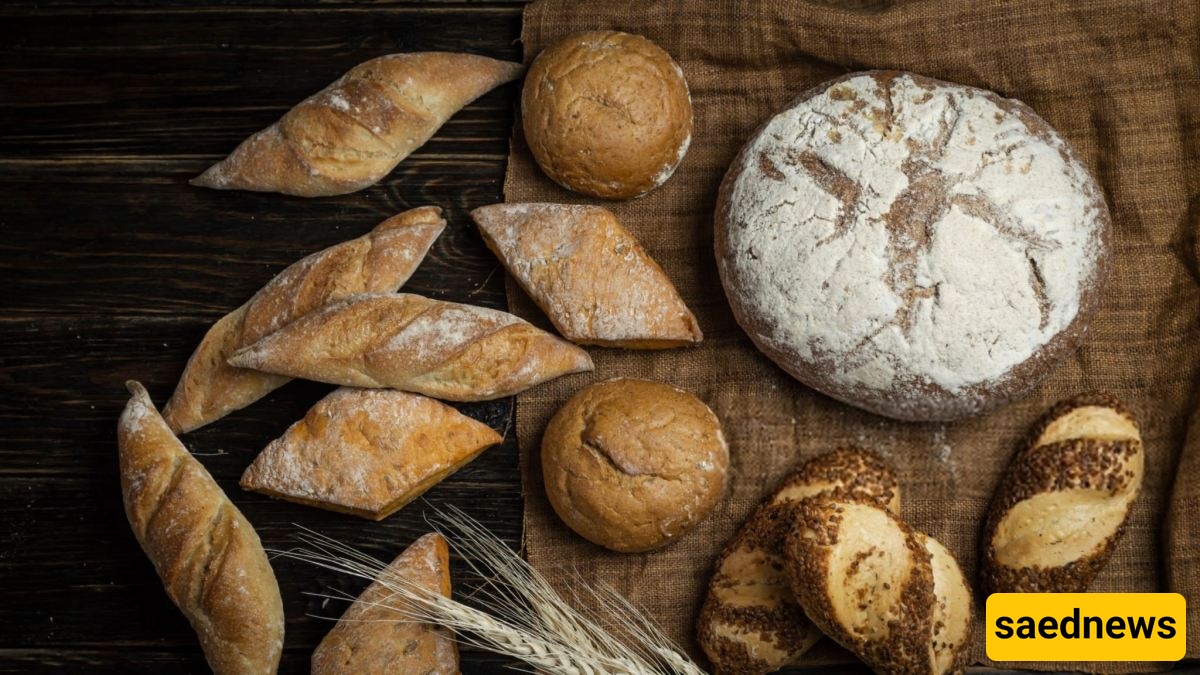
Barley bread is another potentially good option because barley is naturally rich in beta-glucan, a type of soluble fiber.
Beta-glucan has been associated with improvements in cholesterol levels and may support better metabolic health. Barley-based bread can also be filling, which may make it easier to control overall food intake.
Choose bread made primarily with whole-grain barley rather than products containing mostly refined flour.
Rye bread provides fiber and a variety of plant compounds, including phenolic compounds with antioxidant properties.
Whole-grain rye products may produce a more gradual blood-glucose response than many refined wheat breads and can provide a satisfying source of complex carbohydrates.
For the greatest nutritional benefit, choose rye bread made with whole-grain rye flour rather than refined flour.
Sourdough bread is made through fermentation involving lactic-acid bacteria and yeast. Fermentation can alter the digestibility of carbohydrates and may result in a lower blood-glucose response compared with some conventional breads.
However, not all sourdough bread is equally nutritious. Sourdough made primarily with whole-wheat or whole-grain flour is generally a better choice than sourdough made entirely from refined white flour.

Traditional Iranian breads such as sangak and saj can be suitable choices when they are made with whole or higher-extraction flour.
Sangak, in particular, is often topped with sesame seeds, which add healthy fats, protein, minerals, and other nutrients.
The key issue is the flour. Some breads marketed as “bran bread” may be made with refined white flour with bran added separately. Look for bread made with genuinely whole-grain flour.
Some types of bread are less suitable for people trying to manage fatty liver.
White lavash, white-flour barbari, and similar refined-flour breads contain considerably less fiber than whole-grain alternatives. They can produce a faster rise in blood glucose and may make it harder to control overall carbohydrate intake.
Rather than automatically eliminating these breads, it is generally better to prioritize whole-grain alternatives and keep refined breads to a minimum.
Some baguettes, white sandwich breads, hamburger buns, and other commercial products may contain refined flour, added sugar, excess sodium, and other ingredients.
The nutritional quality varies considerably between products, so reading the ingredient list and nutrition label is important.
Breads containing substantial amounts of added sugar, syrup, or other sweeteners are generally poor choices for people managing fatty liver. These products can add significant amounts of rapidly absorbed carbohydrates and unnecessary calories.
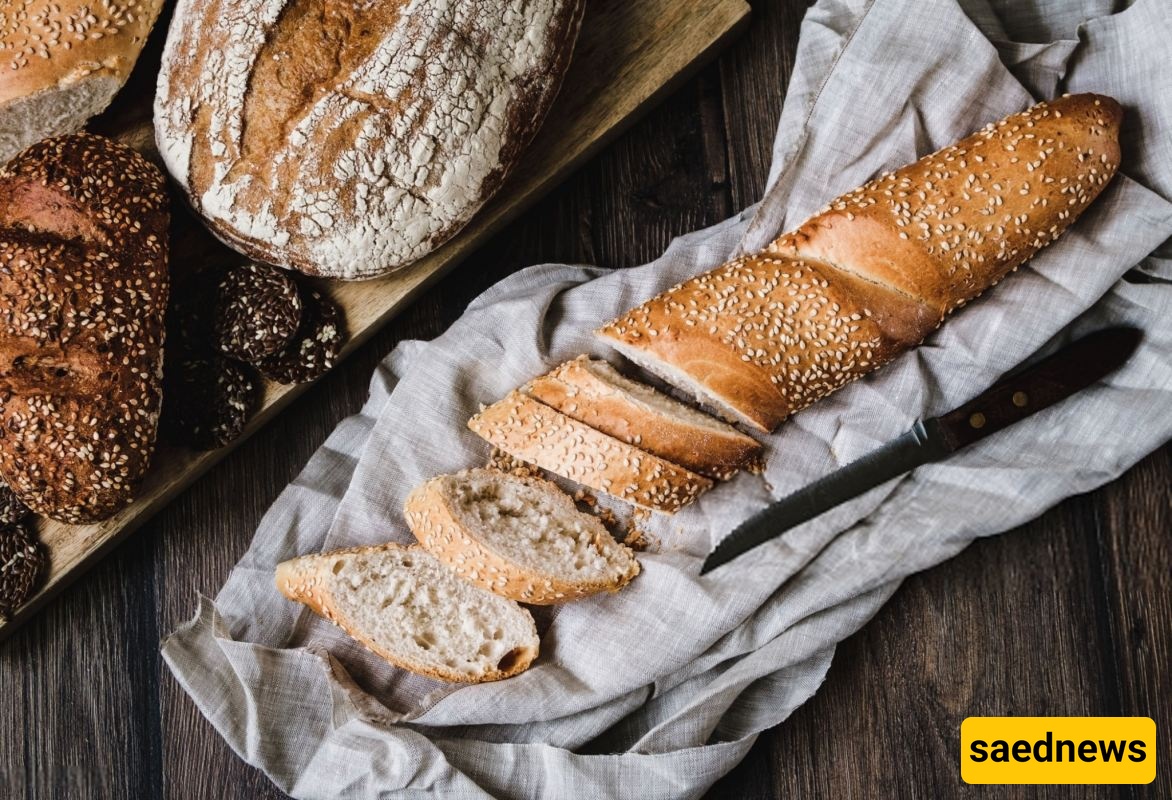
The type of bread matters, but portion size matters as well. Even whole-grain bread can contribute substantial calories and carbohydrates when eaten in large quantities.
A practical approach is to keep portions moderate and consider bread as one component of a balanced meal rather than the main component.
Pairing bread with protein—such as eggs, chicken, or low-fat cheese—and plenty of vegetables can make a meal more filling and may help produce a more gradual rise in blood glucose.
Individual carbohydrate requirements vary, particularly for people with diabetes or other metabolic conditions, so there is no single ideal portion for everyone.

For packaged bread, look for whole-grain or whole-wheat flour near the beginning of the ingredient list. Also compare fiber, added sugar, sodium, and total carbohydrate content between products.
Whole-grain bread can spoil more quickly because of its moisture and nutrient content. Refrigeration or freezing can extend its shelf life. Frozen slices can also be toasted directly when needed.
Toasted bread can be convenient and may feel more filling or satisfying for some people. However, toasting does not turn refined bread into a whole-grain product, so the original ingredients still matter.
Eating bread with cucumber, tomato, lettuce, or fresh herbs increases the fiber and nutrient content of the overall meal and can improve satiety.
Instead of pairing bread with large amounts of butter, margarine, jam, or high-fat sauces, consider options such as eggs, reduced-fat cheese, walnuts, avocado, or natural peanut butter in appropriate portions.
For people who do not have celiac disease, wheat allergy, or another medically diagnosed reason to avoid gluten, gluten itself does not generally need to be eliminated simply because they have fatty liver.
In fact, some gluten-free breads are made primarily from refined rice, potato, or other starches and may have a relatively high glycemic impact.
Therefore, gluten-free does not automatically mean healthier for fatty liver. Anyone who needs to follow a gluten-free diet should still prioritize products made with nutrient-rich, minimally refined ingredients.

The Mediterranean diet is widely recognized as a healthy dietary pattern for metabolic health and is often recommended as part of lifestyle management for fatty liver.
It emphasizes whole grains, vegetables, legumes, olive oil, fish, nuts, and other minimally processed foods while limiting excess sugar, highly refined carbohydrates, and excessive amounts of red and processed meat.
Within this pattern, a moderate amount of whole-grain bread can be included as part of breakfast or lunch. Combining it with vegetables, legumes, lean protein, or healthy fats can create a more balanced meal.
Fatty liver disease can often be improved substantially through lifestyle changes, particularly weight management, physical activity, and a balanced diet.
For most people with fatty liver, the better bread choices are whole-wheat, whole-grain barley, whole-grain rye, whole-grain sourdough, and traditional breads such as sangak when made with whole-grain flour.
Refined white breads, heavily processed commercial breads, and sweetened breads are better limited because they tend to provide less fiber and may contribute more rapidly absorbed carbohydrates and excess calories.

Most importantly, no single food determines whether fatty liver improves or worsens. Bread should be consumed in reasonable portions as part of an overall dietary pattern rich in vegetables, lean proteins, legumes, whole grains, and healthy fats.
Before making major dietary changes, people with fatty liver—particularly those who also have diabetes, high blood pressure, or other medical conditions—should discuss their individual nutritional needs with a doctor or registered dietitian.