SAEDNEWS: Some everyday household items can gradually increase indoor humidity levels without people noticing. Understanding these sources helps maintain a more comfortable home environment and prevent problems caused by excessive moisture.
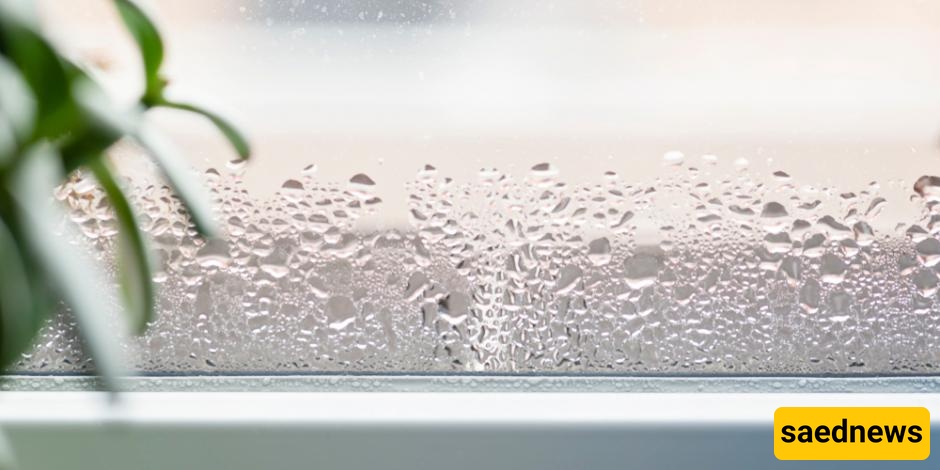
According to SAEDNEWS, humidity levels inside a home are affected not only by weather conditions but also by daily activities and common household items. Some objects release moisture into the air or create conditions where humidity can build up, especially in rooms with limited airflow.
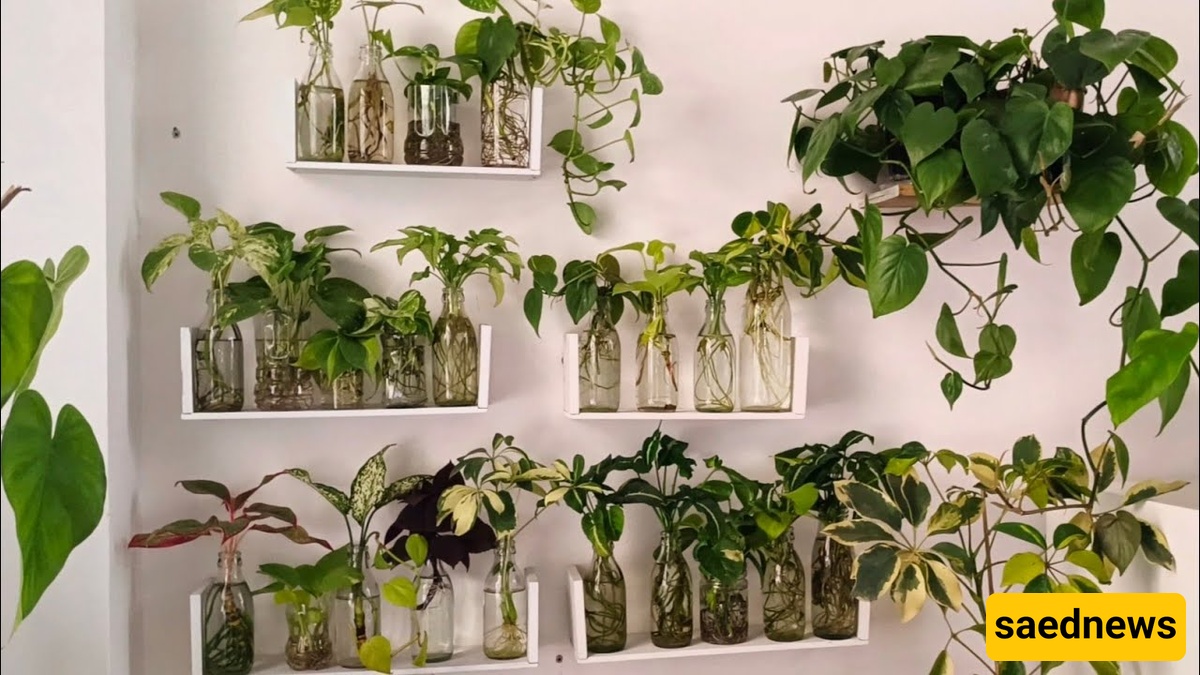
Indoor plants can add moisture to the surrounding air through natural water release from their leaves and soil. While they can make a home feel fresh and pleasant, having many plants in a small room may increase humidity. Water-based decorations and containers with open water can also contribute to higher moisture levels.
Kitchen activities often produce steam that spreads throughout the home. Items used during cooking, such as pots, kettles, and appliances that release heat and moisture, can increase humidity if ventilation is limited. Using proper airflow while preparing meals can help control excess moisture.
Drying washed clothes inside the home can release a large amount of water vapor into the air. Items such as drying racks and damp fabrics may raise humidity levels, particularly in smaller spaces. Allowing fresh air to circulate can reduce the effect.
Bathroom accessories that hold water or remain damp for long periods can contribute to increased humidity. Wet towels, bath mats, and other moisture-retaining items may release water vapor into the room. Keeping these areas dry helps maintain better indoor conditions.
Some household materials can absorb and later release moisture depending on indoor conditions. Items made from natural materials may hold humidity and affect the air quality of a room. Regular cleaning, ventilation, and balanced indoor conditions can help prevent moisture buildup.