SAEDNEWS: The shape of a room can strongly influence how spacious or confined it feels. Factors such as proportions, ceiling height, wall arrangement, natural light, and furniture placement can change how people perceive the size of an interior space. Understanding these effects can help create rooms that feel more open and comfortable.
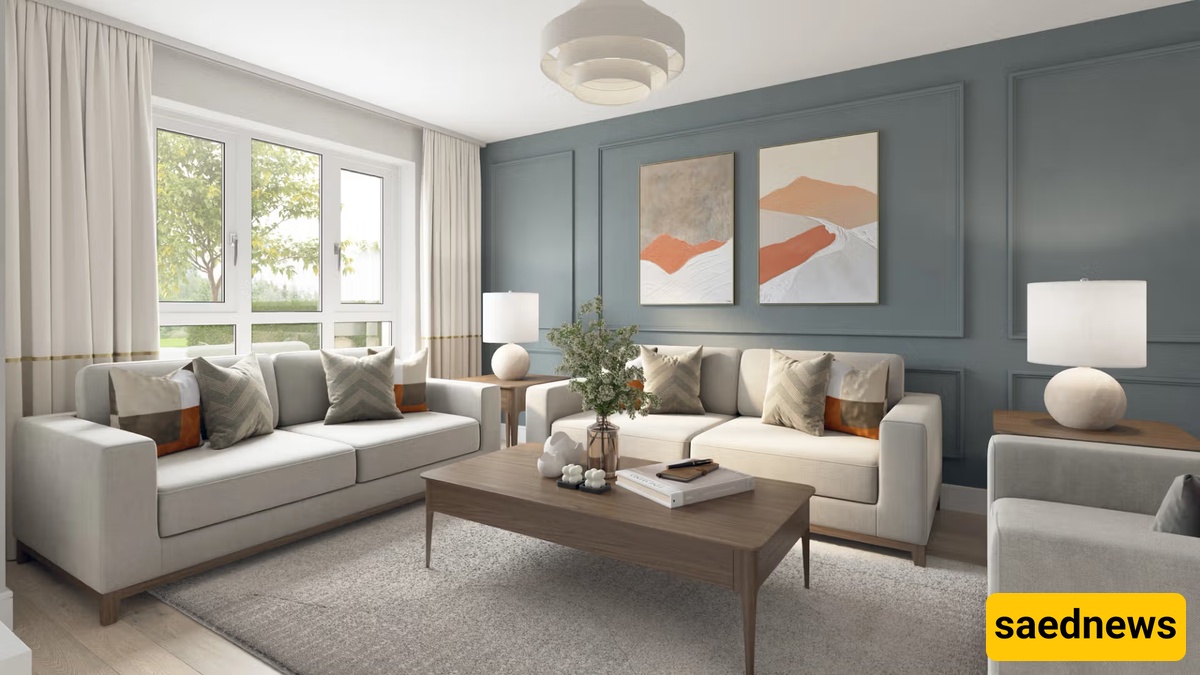
According to SAEDNEWS, the shape and proportions of a room can affect how large people perceive it to be. Two rooms with the same floor area may feel completely different if one is long and narrow while the other is more balanced and open. Human vision naturally evaluates distances, boundaries, and the arrangement of objects when judging the size of a space.
A long, narrow room can sometimes feel smaller because the walls appear close together, particularly when furniture blocks the central walking area. A room with more balanced proportions may feel more spacious because the available area is easier for the eyes to understand. The relationship between length and width therefore plays an important role in spatial perception.
Vertical dimensions also influence how large a room feels. Higher ceilings can create a stronger sense of openness because they provide more visual space above eye level. Lower ceilings may make a room feel more enclosed, even when its floor area is relatively large.
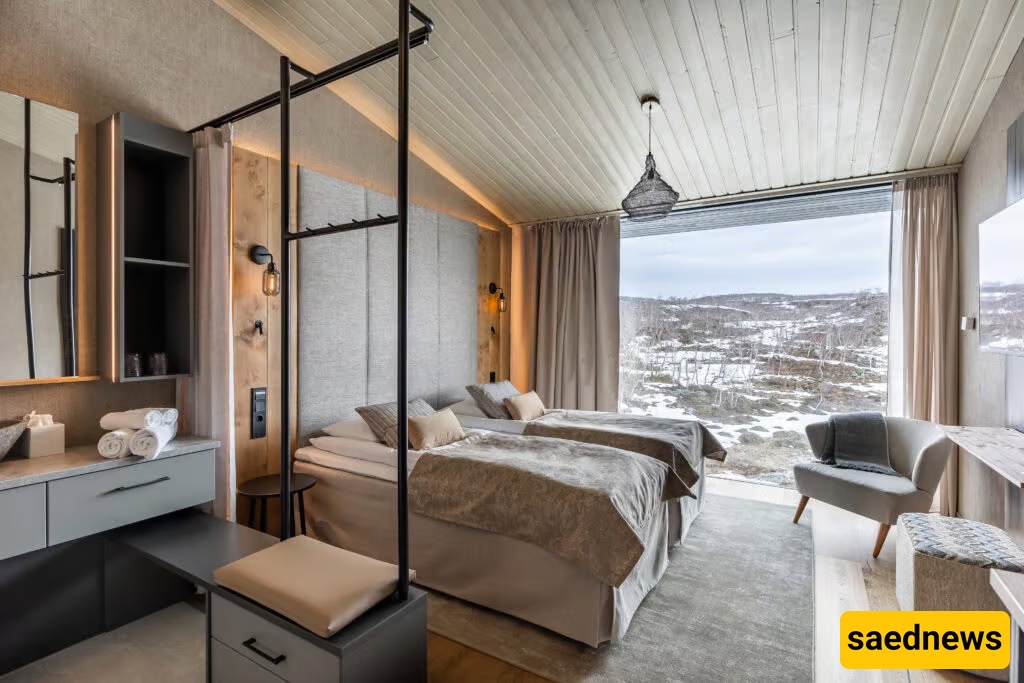
Natural light can make room boundaries appear less restrictive and help an interior feel more open. Large windows, unobstructed views, and lighter visual arrangements can strengthen this effect. When the edges of a room are clearly visible, the space may also feel easier to navigate and understand.
Furniture placement can either emphasize or reduce the spaciousness created by a room's shape. Leaving clear pathways and avoiding excessive visual clutter can make the available area appear larger. In contrast, placing large objects along important sightlines can make even a well-proportioned room feel more crowded.
The perceived size of a room is not always the same as its measured dimensions. People combine visual information about walls, ceilings, lighting, objects, and distances to form an impression of space. As a result, thoughtful room proportions and arrangement can make a modest interior feel significantly more spacious without changing its actual floor area.