SAEDNEWS: The yellowing of old book pages is mainly caused by chemical changes in the paper over time. Exposure to oxygen, light, heat, humidity, and certain materials used in paper production can gradually break down the paper’s fibers and change its color.
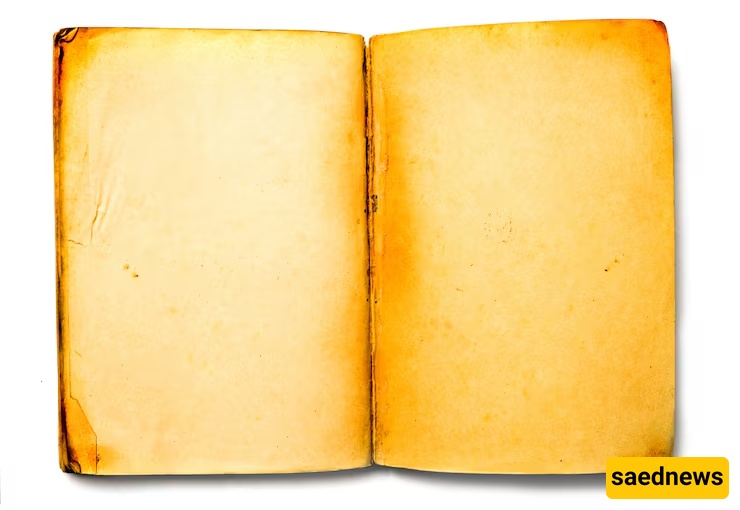
According to SAEDNEWS, old book pages often become yellow or brown because the paper slowly changes as it ages. The process is especially noticeable in books made from wood-based paper, which contains substances that can react with oxygen over many years.
Paper is primarily made from plant fibers called cellulose. Some older papers also contain lignin, a natural substance found in wood. Lignin can gradually break down and produce colored compounds, causing the pages to develop a yellow or brown appearance.
Oxygen in the air contributes to the aging process through oxidation. As certain components of paper react with oxygen, new chemical compounds form within the fibers. Many of these compounds absorb more light, making the pages appear darker and more yellow.
Environmental conditions can speed up paper aging. Strong light, high temperatures, and excessive humidity can accelerate chemical reactions in paper. Books kept in stable, cool, and dry conditions generally age more slowly.
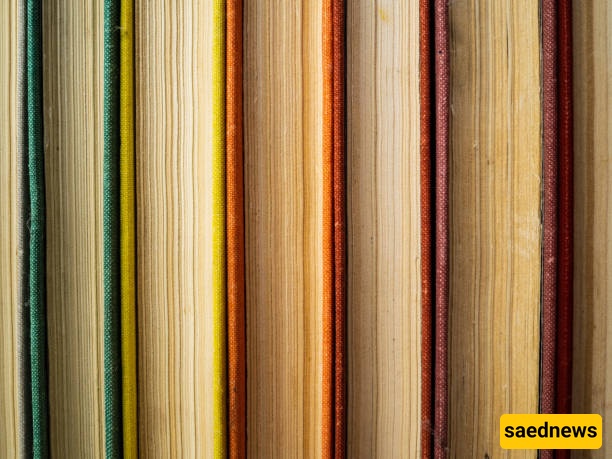
The edges of old books can sometimes become darker than the inner parts of the pages. The edges are more exposed to air, light, and dust, so they can experience greater chemical and physical changes over time. Frequent handling can also contribute to surface discoloration.
Yellowing cannot be completely stopped because paper naturally ages, but proper storage can slow the process. Keeping books away from direct sunlight, excessive moisture, and high temperatures helps preserve their pages. Good ventilation and stable environmental conditions can also help old books remain in better condition for longer.