SAEDSNEWS: The hair shaft does not require special care. In this article, you will learn effective ways to strengthen and protect your hair, from maintaining a balanced diet to following the right washing routine and taking proper protective measures.

According to Saednews, Hair is one of the most important features contributing to a person’s appearance and attractiveness. However, many of us focus mainly on the health of the roots and scalp while overlooking the hair shaft. The hair shaft is the visible part of the hair that extends beyond the scalp and is exposed to numerous damaging factors.
Dryness, split ends, breakage, and dullness are all signs of a weakened or damaged hair shaft. In this comprehensive guide, we explore practical ways to strengthen and care for the hair shaft so you can maintain healthier, shinier, and stronger-looking hair.
By following these tips, you can improve the appearance of your hair while also reducing future damage and breakage.
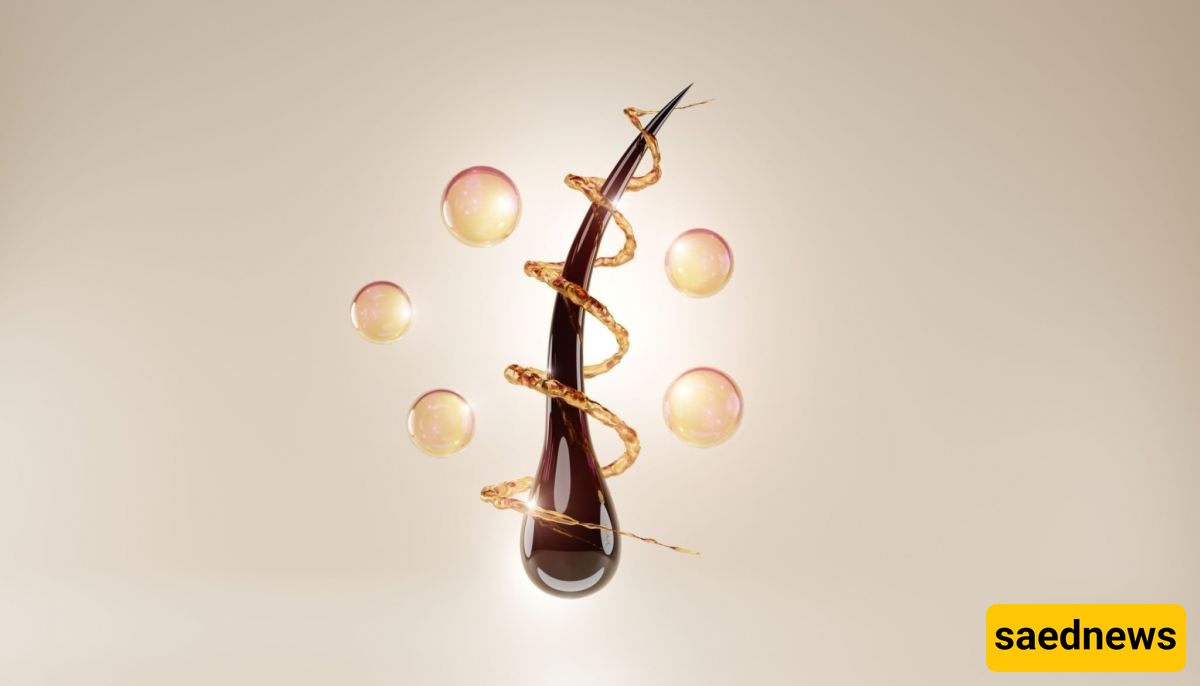
To understand how to care for the hair shaft effectively, it is important to know its basic structure. The hair shaft consists of three main layers:
Cuticle: The outermost layer, made up of overlapping scale-like cells. It protects the inner layers and, when healthy, reflects light and gives hair a naturally shiny appearance.
Cortex: The middle layer, which makes up most of the hair shaft. It contains keratin proteins and melanin pigments and is largely responsible for the hair’s strength and diameter.
Medulla: The innermost part of the hair, mainly found in thicker hair strands. It has relatively little influence on the visible health of the hair.
When the cuticle becomes damaged, the inner layers are more vulnerable to deterioration. This can lead to dryness, breakage, and split ends. Therefore, effective hair-shaft care focuses on protecting the cuticle and maintaining the strength of the cortex.
Before focusing on strengthening the hair, it is important to identify the factors that contribute to damage.
Frequent use of hair dryers, flat irons, curling irons, and other heated styling tools without appropriate temperature control or heat protection can remove moisture from the hair and contribute to split ends. Excessive heat can also alter the protein structure of the hair.
Hair coloring, highlighting, bleaching, chemical straightening, and perming are popular beauty treatments, but they can damage the cuticle. Repeated chemical processing may leave the hair shaft weaker and more vulnerable to breakage.
Washing hair with very hot water, using highly concentrated sulfate-based shampoos, and washing too frequently can strip away the hair’s natural oils and moisture. Aggressive towel-drying can also create friction and lift the cuticle.
Sunlight and UV radiation, air pollution, wind, and low humidity can gradually damage the hair shaft. UV exposure, in particular, can contribute to protein oxidation and changes in hair color.
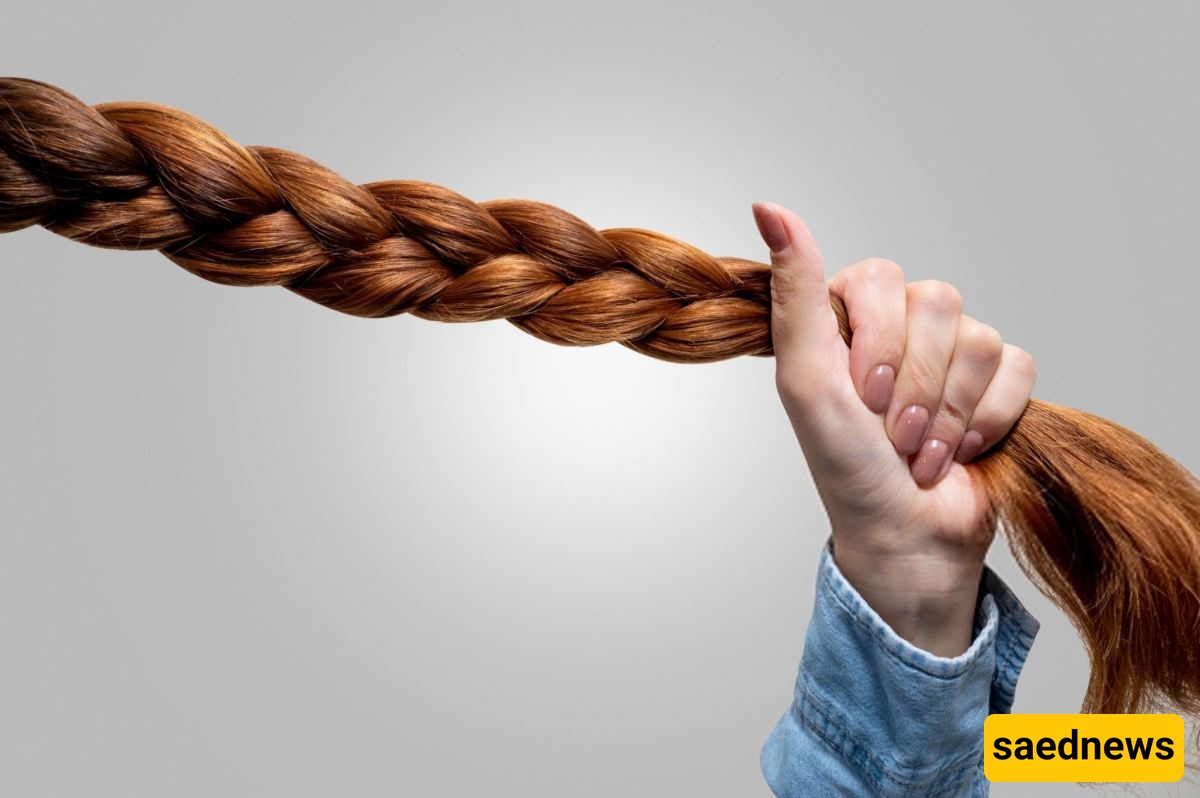
Hair requires adequate protein, iron, zinc, B vitamins, and omega-3 fatty acids for normal growth and maintenance. Inadequate nutrition can negatively affect overall hair quality.
Once the main causes of damage are understood, the next step is to establish healthy habits involving nutrition, hair-care products, and daily routines.
One of the most important ways to support healthy hair from within is through a nutritious, varied diet. Hair is primarily made of keratin, a type of protein, so adequate protein intake is important.
Consider including:
Protein: Eggs, fish, poultry, lean red meat, legumes, and dairy products.
Iron: Spinach, lentils, liver, and red meat.
Zinc: Nuts, pumpkin seeds, shellfish, and whole grains.
B vitamins: Eggs, bananas, avocados, and whole grains. Biotin, or vitamin B7, is involved in normal hair health.
Omega-3 fatty acids: Salmon, walnuts, flaxseeds, and olive oil.
A varied diet containing these nutrients can support hair health over time. Adequate hydration is also important for overall health.
Selecting appropriate hair-care products is essential for protecting the hair shaft. Look for shampoos and conditioners formulated with moisturizing and conditioning ingredients suited to your hair type.

Ingredients commonly used in hair-care products include:
Keratin: A structural protein used in many products designed for damaged hair.
Silk proteins: Can help improve softness and manageability.
Panthenol (provitamin B5): Helps condition and retain moisture.
Argan, coconut, and jojoba oils: Can help coat the hair and reduce moisture loss.
Ceramides: Lipid-like ingredients that help support the hair’s protective barrier.
A moisturizing or repairing hair mask once or twice a week can provide additional conditioning. For severely damaged hair, professional treatments may be considered with guidance from a qualified hair-care professional.
In addition to commercial products, some people use simple homemade conditioning masks.
Banana and honey mask: Mash one ripe banana and mix it with one tablespoon of honey and one tablespoon of olive oil. Apply it to the hair for about 20 minutes before rinsing.
Egg yolk and yogurt mask: Mix one egg yolk with two tablespoons of plain yogurt and apply it from the mid-lengths to the ends. Leave it for about 15 minutes and rinse with cool water.
Coconut oil and aloe vera mask: Combine two tablespoons of coconut oil with one tablespoon of aloe vera gel. Apply to damp hair and leave for approximately 30 minutes before washing.
Homemade treatments should be used carefully, especially if you have sensitive skin or allergies. Avoid applying heavy oil-based mixtures directly to the scalp if they tend to make your scalp greasy or irritated.

Many common hair-washing habits can contribute to unnecessary damage. These practices can help minimize stress on the hair shaft:
Washing frequency: Adjust how often you wash according to your scalp and hair type rather than following a fixed schedule.
Water temperature: Use lukewarm rather than very hot water.
Shampoo application: Concentrate shampoo primarily on the scalp and roots. The lather that runs through the lengths is generally sufficient for cleaning them.
Conditioner: Apply conditioner mainly from the mid-lengths toward the ends rather than directly onto the roots.
Drying: Never aggressively rub wet hair with a towel. Instead, gently squeeze out excess water or use a soft cotton T-shirt, then allow the hair to air-dry or use a hair dryer on a moderate setting.
If maintaining the health of the hair shaft is a priority, minimize unnecessary use of flat irons, curling irons, and high-heat blow-drying.
When heat styling is necessary, use a suitable heat-protectant product and keep the temperature as low as practical for your hair type and styling needs.
Never use a flat iron on wet hair. The combination of intense heat and trapped moisture can cause severe damage to the hair shaft.

Regular trimming does not make hair grow faster from the roots, but it can help manage split ends and prevent damaged ends from becoming increasingly difficult to manage.
Trim the ends whenever they become noticeably split, brittle, or damaged. The appropriate frequency depends on hair length, texture, styling habits, and the condition of the ends.
UV exposure and environmental conditions can contribute to gradual hair damage. To protect your hair:
Wear a hat or stay in the shade during prolonged sun exposure.
Consider hair products that contain UV protection.
Before swimming in chlorinated water, wet your hair with clean water and consider wearing a swim cap.
Rinse your hair thoroughly after swimming and follow with a suitable conditioner.
Long-term stress can affect the normal hair-growth cycle and may contribute to changes in hair shedding and overall hair quality.
Relaxation techniques such as yoga, meditation, and regular physical activity may help with stress management. Maintaining a consistent sleep schedule and getting adequate, good-quality sleep also supports overall health.
For consistent results, focus on maintaining a manageable routine rather than relying on occasional intensive treatments.
Daily
Detangle gently with a wide-tooth comb, starting at the ends and gradually working upward.
Use a lightweight moisturizing product if your hair needs additional conditioning.
Avoid unnecessary pulling, tight hairstyles, and excessive brushing.
During washing
Use a gentle shampoo appropriate for your scalp.
Apply conditioner to the mid-lengths and ends.
Rinse thoroughly with lukewarm or cool water.

Once a week
Use a moisturizing or conditioning hair mask for approximately 20–30 minutes, depending on the product instructions.
As needed
Trim split or severely damaged ends.
Reduce chemical treatments and high-heat styling when your hair shows signs of damage.
At night
A satin or silk pillowcase can help reduce friction and tangling while you sleep.
Healthy-looking hair depends on more than just caring for the roots. The hair shaft is constantly exposed to heat, chemicals, friction, sunlight, and environmental stress. Protecting the cuticle, maintaining adequate nutrition, using suitable conditioning products, minimizing damaging styling practices, and handling the hair gently can all help preserve its strength, softness, and shine.
A consistent, simple routine is generally more useful than relying on occasional intensive treatments.