SAEDNEWS: From Michael Myers and Hannibal Lecter to Rosemary Woodhouse, several iconic horror characters have been interpreted through psychiatric diagnoses ranging from psychopathy and PTSD to dissociative identity disorder and delusional disorder.

According to SaedNews: Horror films frequently portray villains whose disturbing behavior appears to have a medical or psychiatric explanation. Their actions can turn victims into further victims, creating cycles of trauma, violence and psychological suffering that sometimes seem so extreme that they are mistaken for supernatural evil.
Although horror stories may leave room for both supernatural and natural explanations, psychiatric interpretations generally look for a medical cause. The following examples examine how mental illness or physical disease has been used to understand both perpetrators and victims.
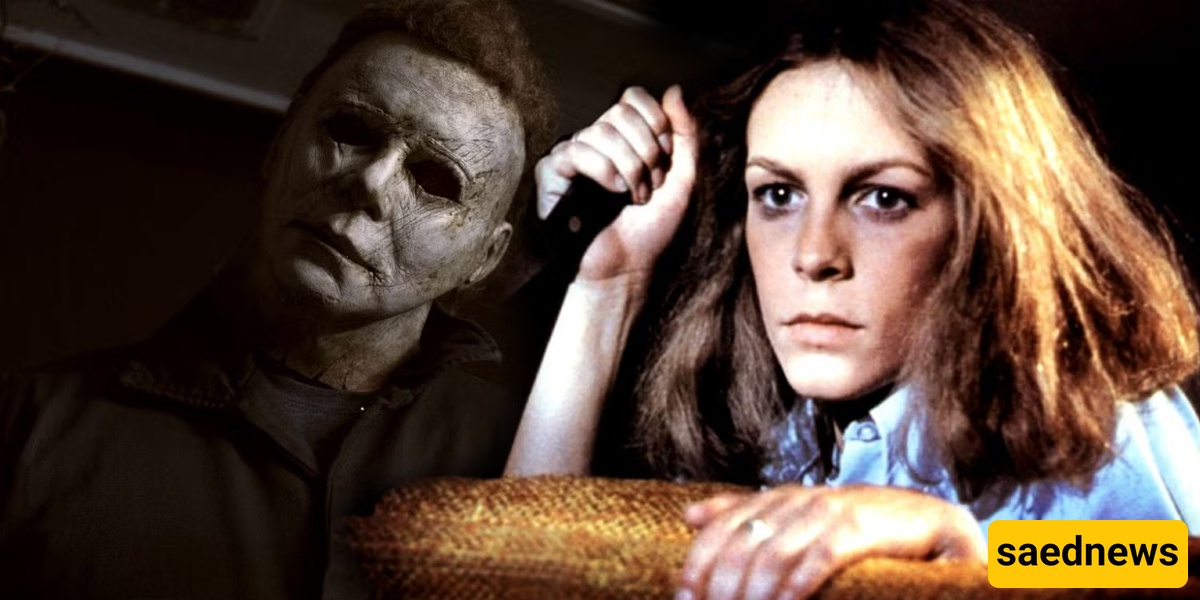
Professor Anthony Tobia’s REDRUM course at Rutgers University uses films such as Psycho (1960), Halloween (1978), and A Nightmare on Elm Street (1984) to examine mental illness symbolically rather than treating cinematic portrayals as clinically accurate.
Students concluded that Michael Myers, after murdering his sister Judith, could be interpreted as having conversion disorder, voyeurism and autism. His inability to speak after the killing was viewed as an expression of conversion disorder. After escaping a psychiatric hospital, Myers returns home and targets his other sister, Laurie Strode, whose different surname results from her being adopted after their parents’ deaths.
Laurie suffers stress because of Myers’s stalking and attempts to kill her. In Halloween II (1981), her therapist says she has the same “illness” as her brother, although Laurie is not portrayed as displaying the same symptoms identified in Myers.
Another possible reference is Myers’s psychiatrist Sam Loomis, who famously describes him as “pure evil.” That phrase, however, is not a psychiatric diagnosis recognized by the DSM.

Psychiatrist Glen O. Gabbard, discussing Thomas Harris’s novels, regards Hannibal Lecter as a character intended to represent a psychopath, although he finds the psychology of Hannibal (1999) somewhat contradictory.
Kaylor Jones, a Psychology & Counseling student at Grand Canyon University, argues that Lecter fits the DSM description of antisocial personality disorder, which can be associated with psychopathy and sociopathy. His lack of remorse, disregard for others, ability to manipulate people and capacity to turn empathy off appear consistent with that characterization.
Clarice Starling, however, is presented differently. CBS’s Clarice (2021), set a year after Buffalo Bill’s murders, focuses on the FBI agent and depicts her as suffering from PTSD. Her trauma stems both from her encounter with Lecter and from childhood memories of lambs being slaughtered on her relatives’ Montana farm, which continued to haunt her through nightmares.
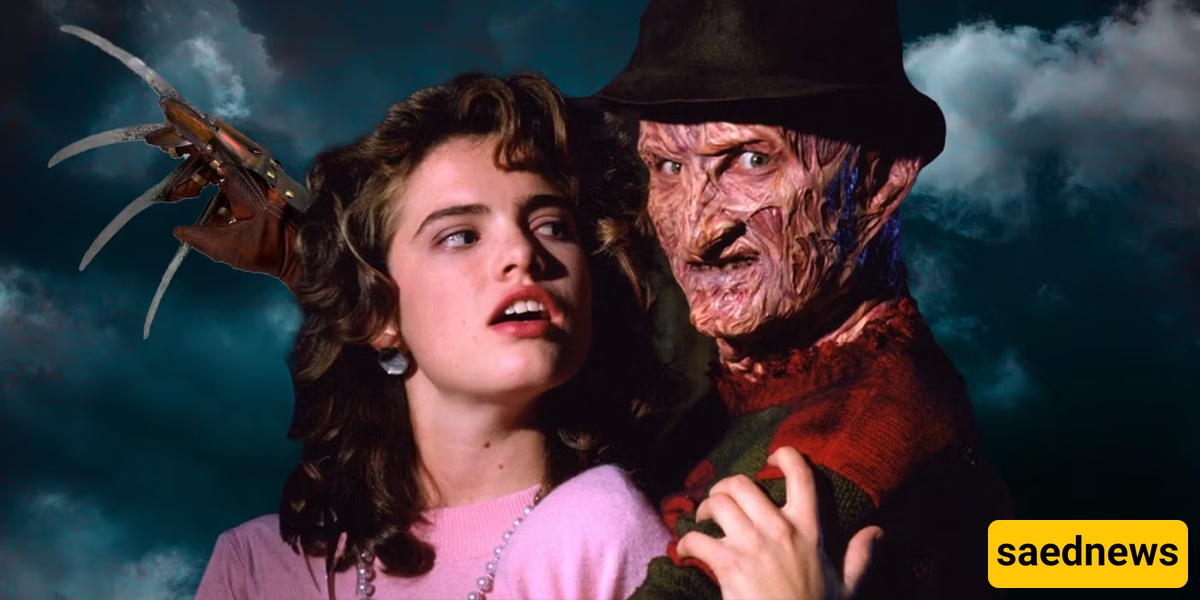
Wes Craven’s A Nightmare on Elm Street (1984) follows Nancy Thompson and her friends as they are pursued by Freddy Krueger. Krueger seeks revenge against the children of parents who burned him alive after he escaped punishment for murdering their children. He is also portrayed as having a sexual motivation associated with pedophilic disorder, reflected in his attacks on children in their beds.
Tobia sees another disturbing element in Nancy’s mother, Marge, whom he suspects may have had an affair with Krueger. Krueger spares Nancy because he considers her “special,” while Marge’s use of “Fred” instead of “Freddy Krueger” may suggest a memory of intimacy. She also keeps his hat and glove, behavior Tobia considers difficult to explain if Krueger was merely a child murderer. Marge’s alcoholism and her concealment of the adults’ killing of Krueger further complicate the story.
Nancy appears to recover the hidden history through her dreams. Tobia interprets her repeated dreams of being hunted by a child murderer as nightmare disorder, characterized by recurrent awakenings and terrifying dreams involving threats to survival.
He also interprets the film symbolically as representing narcolepsy, which commonly begins during adolescence and can involve hallucinations. Yet Tobia argues that Nightmare ultimately concerns more than a sleep disorder: Nancy’s sleep problems are likely connected to PTSD and childhood sexual abuse.
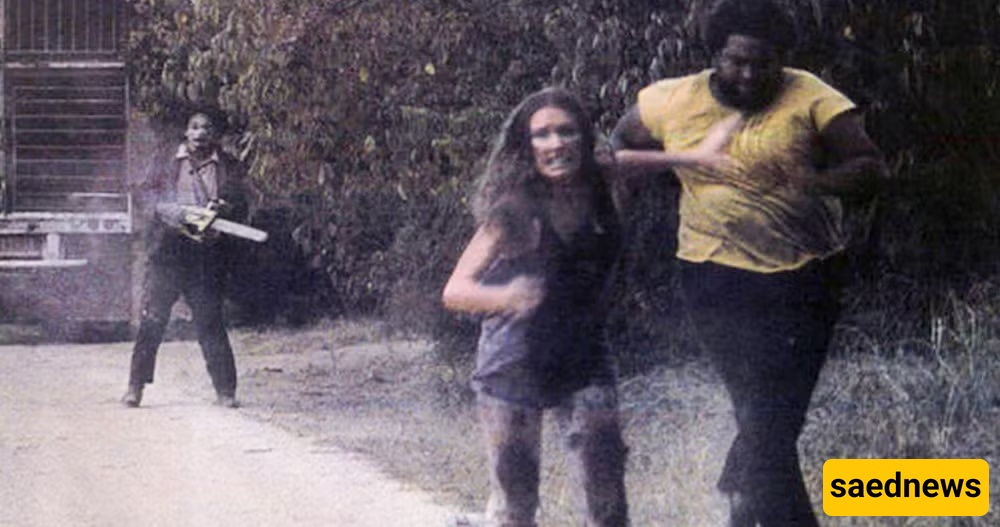
In the 2003 remake of Tobe Hooper’s The Texas Chainsaw Massacre, Leatherface is said to suffer from neurodegeneration, although the film does not specify the exact disease. Such a condition could potentially involve other nervous-system abnormalities, and the diagnosis is unusual because neurodegenerative diseases generally pose greater risks to older people.
Leatherface’s condition is portrayed alongside severe childhood bullying. The 2003 remake and 2006 prequel explain that he was born disfigured, had a skin disease, and was repeatedly mocked because of his appearance. He was ashamed of his face and began wearing a small leather mask, eventually making it a permanent part of his identity.
Sally Hardesty, the sole survivor of the original film’s massacre, suffers severe psychological consequences after escaping in the back of a truck. She becomes incoherent and eventually catatonic. Her ultimate fate differs across the franchise because of its loose continuity: she dies in 1977, survives as a hospital patient, or spends decades in an institution, depending on the film.
Catatonia itself is a recognized neuropsychiatric syndrome involving abnormalities such as immobility, mutism and unusual movements. Severe forms can produce fever, sweating, rapid heartbeat and high blood pressure, while the classic presentation includes mutism, posturing and stupor.
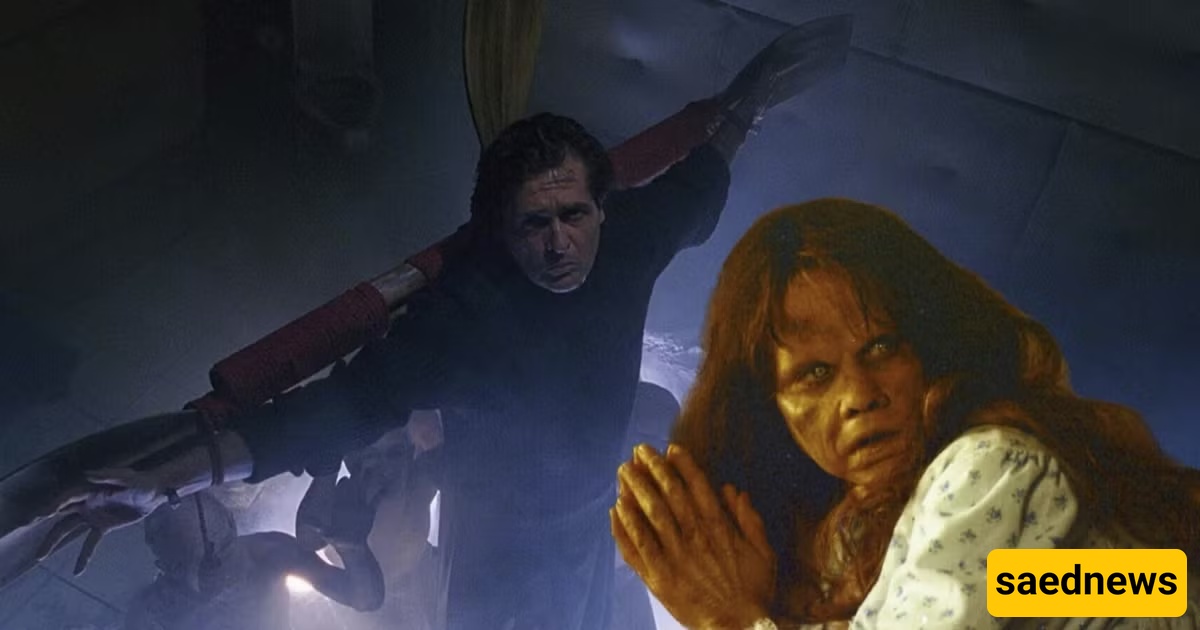
William Peter Blatty’s The Exorcist deliberately allows doctors to examine Regan MacNeil before priests attempt an exorcism. Neurologist Suzanne O’Sullivan has suggested that the girl’s symptoms could have been psychosomatic, with psychological distress potentially producing tremors, fatigue, speech problems, numbness and other symptoms.
Blatty also leaves open the possibility of demonic possession. In the novel, doctors describe Regan’s condition as “somnambuliform possession,” in which conflict or guilt produces the delusion that an alien spirit has entered the body.
The film similarly presents attempts to find a medical explanation. Doctors observe Regan displaying extraordinary physical strength and movement and suspect a problem with her temporal lobe, but extensive testing finds nothing abnormal.
Fathers Lankester Merrin and Damien Karras eventually perform the exorcism. Merrin dies before the spirit is expelled, leaving Karras to confront it. Karras saves Regan by allowing the demon to possess him instead, then throws himself from her bedroom window and dies.
Karras is also portrayed as a victim of guilt surrounding his severely ill mother, whom he believes he neglected before her death. The demon exploits that grief during the exorcism, and escaping his own suffering may have contributed to his decision to accept the exchange.
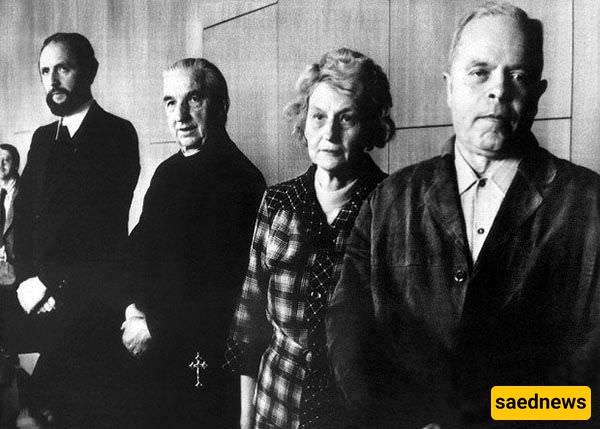
Annaliese Michel’s real-life case inspired The Exorcism of Emily Rose (2005). She was said to have experienced trances, unusual behavior, frightening visions, physical changes and episodes in which she spoke in a deep voice. She also reportedly feared churches and believed holy ground burned her feet.
After 67 exorcism rites over 18 months, Michel died from malnutrition in Klingenberg, Germany, in 1967. She was 23. Records left by Fathers Arnold Renz and Ernst Alt describe some of the ceremonies, several lasting four hours, during which Michel could be heard growling, barking and naming demons the priests believed were tormenting her, including Cain, Nero, Judas, Lucifer and Hitler.
Michel had epilepsy and had stopped taking her prescribed medication. Her parents placed her care in the hands of the priests, and she eventually died from starvation.
Following her death, both exorcists were prosecuted. Renz, 67, and Alt, 40, were convicted of negligent homicide and given suspended prison sentences, as well as orders to cover the proceedings’ costs. The court found that Michel’s condition, including her weight of only 70 pounds, should have made the need for medical treatment apparent. Medical and psychiatric witnesses attributed her ordeal to epilepsy and the strict religious environment imposed by her parents.

Jack Torrance, the caretaker in Stephen King’s The Shining and Stanley Kubrick’s 1980 adaptation, is isolated, delusional and hallucinating. He becomes convinced that hostile supernatural forces, including demons and ghosts, are influencing him and eventually experiences hallucinations involving all five senses.
The story raises the possibility that psychiatric intervention could have helped Torrance. If Wendy had sought treatment rather than denying the seriousness of his problems, medication, psychotherapy and bibliotherapy might have offered him assistance.
Wendy and their son Danny are victims as well. Torrance is an alcoholic with a violent temper who accidentally breaks Danny’s arm after the boy spills beer on his manuscript. His drinking may represent an attempt to suppress feelings of failure, shame, guilt, self-hatred and suicidal thinking. He has also learned from his own father to respond to life’s difficulties with alcohol and violence.
Danny carries the consequences into adulthood. In King’s Doctor Sleep (2013), he has become an alcoholic drifter who steals money from a former lover despite knowing she may need it for her child. His unstable life and inability to form lasting attachments reflect the effects of his childhood experiences, and he suffers from PTSD.
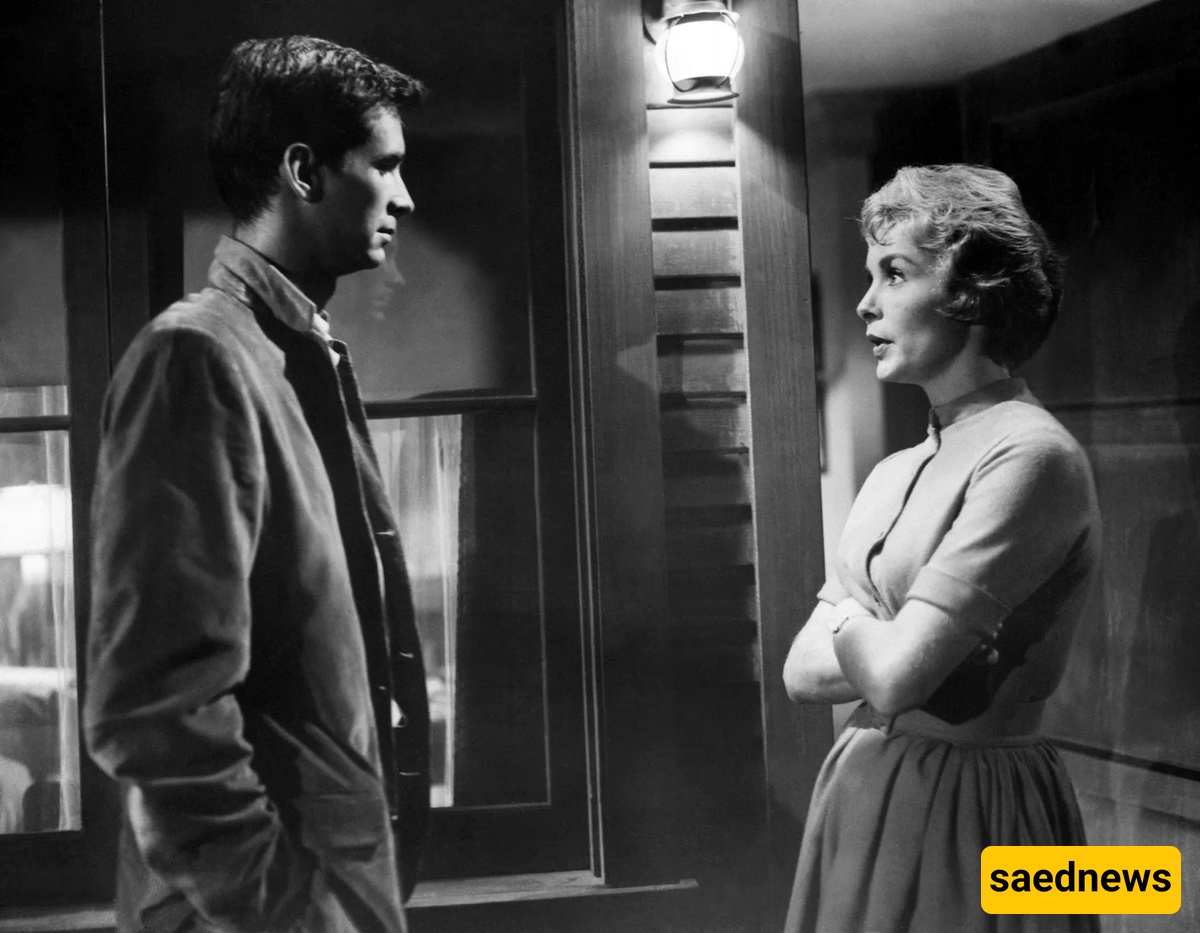
Norman Bates, the murderer at the center of Alfred Hitchcock’s Psycho, based on Robert Bloch’s 1959 novel, is portrayed as having dissociative identity disorder along with a comorbid voyeuristic disorder.
After his mother dies, Bates begins dressing like her and effectively assumes her personality. His imagined “Mother” disapproves of his relationships with women. When Marion Crane, who has stolen money from her employer, stays at Bates’s motel, “Mother” murders her while she showers. The same identity later kills a private investigator searching for Crane.
The psychological interpretation of Bates also raises concerns about how films portray mental illness. The Harvard Political Review has argued that presenting mentally ill people as naturally violent stigmatizes those with mental disorders while misleading and frightening the public. Psychiatrist Gene Beresin of Harvard Medical School agrees with that criticism.

Shutter Island (2010), adapted from Dennis Lehane’s 2003 novel, initially presents U.S. Marshal Edward “Teddy” Daniels as investigating the disappearance of a patient from an asylum. His mission gradually appears to become an attempt to expose the institution as a torture facility, before the film’s final act reveals that the story centers on Teddy’s own psychosis.
A World War II veteran, Teddy has endured significant trauma. He copes by becoming both an alcoholic and a workaholic, strategies that provide enough emotional distance to obscure another painful reality: his wife Dolores, who has bipolar disorder, drowned their three children, and Teddy killed her after discovering what she had done.
Rather than developing PTSD, Teddy develops delusional disorder while remaining relatively high functioning. His delusions shape his entire existence: he believes he is free while actually being a patient, thinks he is healthy while psychologically ill, and sees himself as a truth-seeker despite being a killer.
His suffering affects others as well. Psychologist Jeremy Clyman argues that the film also does a disservice to the public by presenting mental illness through an outdated model in which a psychological “virus” attacks an otherwise healthy mind, causes permanent damage and refuses to disappear.
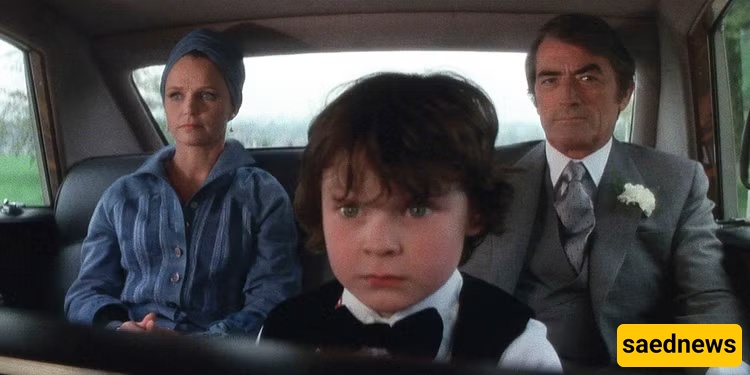
In Rosemary’s Baby, Roman Polanski’s 1968 adaptation of Ira Levin’s 1967 novel, Rosemary Woodhouse moves into a New York City apartment rumored to have a history of murder and cannibalism. She is raped by what she believes is a demonic presence and becomes pregnant, eventually believing that the baby is the demon’s child.
The story leaves open whether Rosemary truly encountered a supernatural being or was experiencing postpartum psychosis, a rare condition that can emerge two to four weeks after delivery and may appear as an overt form of bipolar affective disorder.
Psychologically, Rosemary is portrayed as psychotic and delusional because she believes she is carrying Satan’s son. Her perceptions may also have been intensified by the “poison/herbs” given to her by her husband Guy and his family.
Her child may therefore be viewed as a victim of the family’s deception as well as of Rosemary’s psychosis and delusions. Yet the film closes with the newborn still alive, his eyes appearing brown and feral with slit-like pupils in an image that flashes through Rosemary’s mind. What ultimately happens to the child is never revealed.