SAEDNEWS: An oily scalp combined with dry hair can result from excess sebum production, frequent washing, heat styling, or unsuitable hair-care habits. Understanding the causes and using gentle, balanced care can help improve both scalp and hair condition.
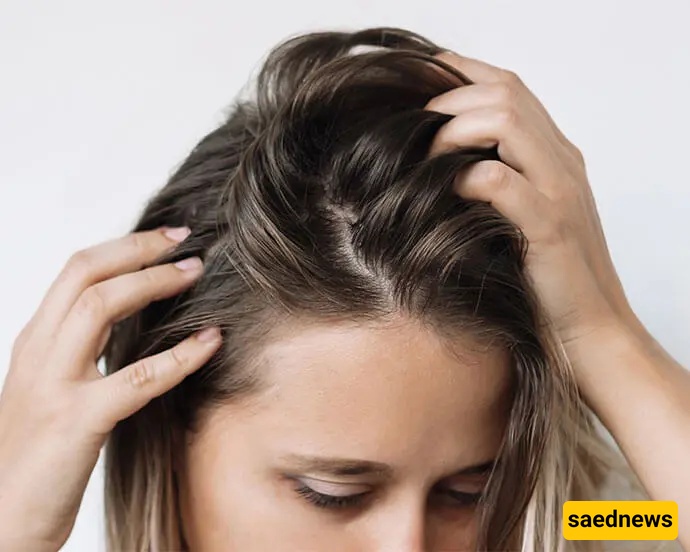
According to SAEDNEWS, having an oily scalp and dry hair at the same time is relatively common. The scalp naturally produces sebum to protect the skin, while the lengths and ends of the hair may lack sufficient moisture. As a result, the roots can appear greasy while the rest of the hair feels rough, dull, or brittle.
One reason for this combination is increased oil production on the scalp. Hormonal changes, stress, genetics, and frequent touching of the hair may contribute to excess sebum. Because the oil is produced mainly near the roots, it may not spread evenly along the hair shaft, leaving the ends comparatively dry.
Washing the hair too frequently or using harsh cleansing products can remove natural oils from the hair lengths. The scalp may continue producing oil while the strands become increasingly dry. Choosing a gentle cleanser and avoiding unnecessarily frequent washing can help maintain a better balance.
Frequent exposure to hot water, hair dryers, straighteners, and strong sunlight can reduce moisture in the hair. The ends are particularly vulnerable because they are older and have experienced more environmental and mechanical stress. Limiting excessive heat and using moderate water temperatures can help protect the hair.
A balanced routine should focus on the needs of both the scalp and hair lengths. Clean the scalp gently, while applying a suitable moisturizing conditioner mainly to the mid-lengths and ends. Avoid applying heavy products directly to oily roots, brush the hair gently, and trim damaged ends when necessary. With consistent care, the scalp can remain clean while the hair becomes softer and more manageable.