SAEDNEWS: Dryness after a keratin treatment is a common but manageable issue. It can result from chemical exposure, excessive heat, or improper hair care.
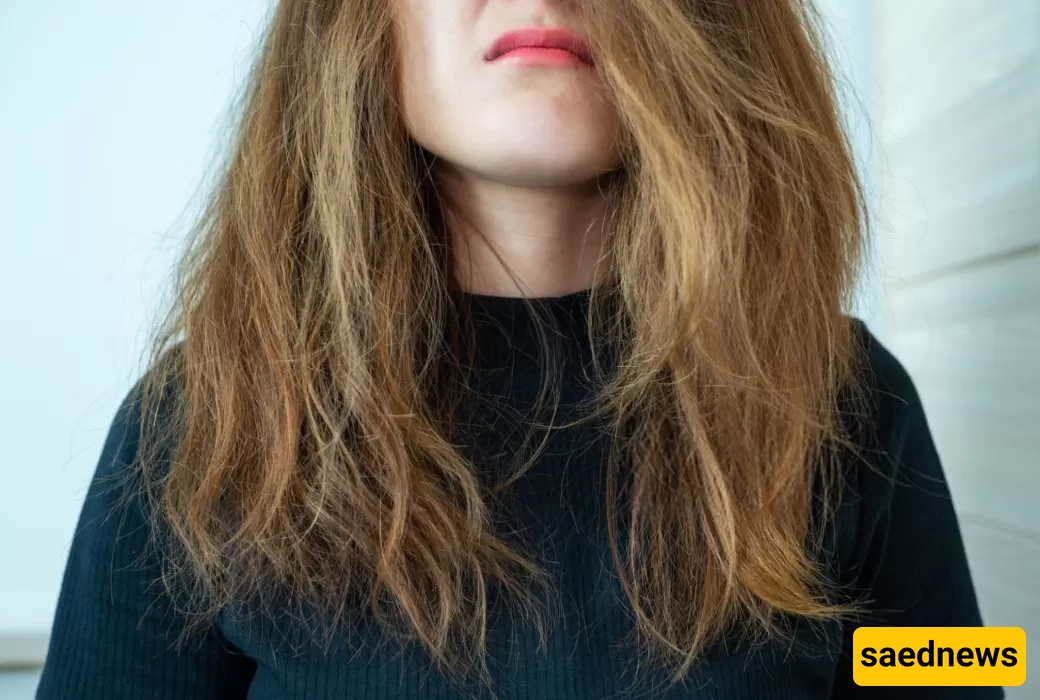
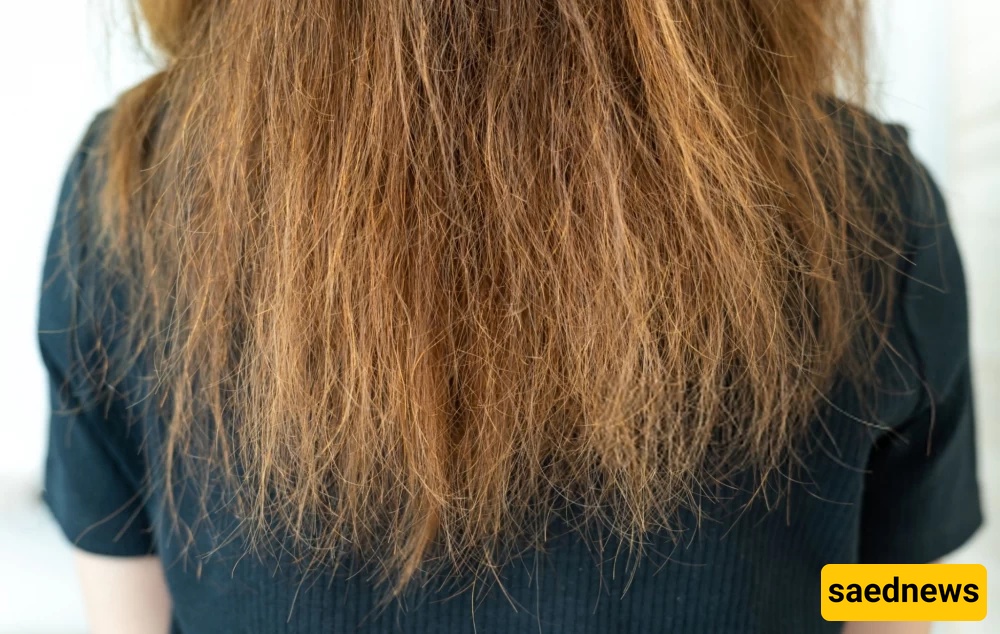
According to Saednews, Keratin treatment has become one of the most popular methods for smoothing and straightening hair in recent years. Many people choose this treatment hoping to achieve shiny, soft, frizz-free hair. However, one common issue some people experience afterward is dry hair after keratin treatment. This can be frustrating, especially when you expect your hair to look and feel healthier after the procedure.
Keratin is a natural protein found in hair, skin, and nails. A keratin treatment involves applying a solution containing keratin and other chemical ingredients to the hair. Heat from a flat iron or blow dryer is then used to help the treatment penetrate and bond to the hair shaft.
The process is designed to smooth the hair cuticle, which is the hair's outer protective layer. As a result, the hair can appear straighter, shinier, smoother, and more resistant to humidity.
However, if the treatment is not performed correctly, or if the hair is already damaged, the process may contribute to dryness, weakness, and breakage.
Some keratin products contain formaldehyde or ingredients that release formaldehyde during the treatment. Formaldehyde is a powerful chemical used to help straighten and smooth hair, but it can also affect the hair's natural moisture balance.
When combined with high heat, these chemicals can place additional stress on the hair cuticle and its natural proteins. Although the result may be smooth, straight hair, repeated exposure can contribute to significant dryness and structural damage.
High heat is an important part of many keratin treatments. Flat irons are often used at temperatures ranging from approximately 180°C to 230°C (356°F to 446°F) to help seal the treatment into the hair.
While this step can be necessary, excessive heat can be particularly damaging to hair that is already dry, bleached, colored, or weakened. It can remove remaining moisture from the hair and increase brittleness.
Repeated use of high-temperature styling tools without heat protection can make the problem worse.
Not every keratin treatment is appropriate for every hair type.
Fine, colored, bleached, or damaged hair may require a gentler formula. Using a strong treatment on fragile hair can further weaken the cuticle and reduce moisture retention.
Naturally curly and textured hair can also be more prone to dryness, so choosing the right treatment and aftercare routine is particularly important.
After a keratin treatment, hair may require more careful washing and conditioning.
Some shampoos contain sulfates and sodium chloride, which can be harsh on treated hair and may shorten the longevity of the treatment. Strong cleansing agents can also remove some of the hair's natural oils.
Washing your hair too frequently may further contribute to dryness.
Keratin treatment can temporarily smooth the hair, but it does not replace the moisture your hair naturally needs.
Without regular conditioning and hydration, treated hair may gradually become dry and rough. Moisturizing products containing ingredients such as argan oil, coconut oil, jojoba oil, or shea butter can help improve the hair's softness and manageability.
The condition of your hair before treatment matters.
Frequent coloring, bleaching, chemical treatments, and repeated use of heat-styling tools can weaken the hair structure. Applying a keratin treatment to already compromised hair may increase the risk of dryness and breakage.
Sun exposure, wind, dry air, pollution, and other environmental conditions can affect hair moisture.
Lifestyle factors such as inadequate hydration, an unbalanced diet, and prolonged stress may also influence overall hair health. After a keratin treatment, protecting the hair from environmental stress becomes even more important.
Dryness may appear in several ways, including:
Rough or coarse texture: The hair feels dry and rough when touched.
Breakage and split ends: The ends become fragile and begin to split or break.
Reduced shine: Hair loses its glossy appearance and looks dull.
Frizz and static: Hair becomes difficult to control and may develop more frizz or static.
Dry or flaky scalp: In some cases, dryness may also affect the scalp.
Before undergoing a keratin treatment, consult an experienced hair professional and choose a formula appropriate for your hair type and condition.
If you are concerned about formaldehyde exposure, ask about formaldehyde-free alternatives and carefully check the product's ingredients. Choosing reputable products and having the treatment performed correctly can help reduce unnecessary damage.
Use a gentle, sulfate-free shampoo: Products designed for chemically treated or keratin-treated hair can help maintain moisture and extend the treatment's results.
Condition regularly: Use a moisturizing conditioner after washing and apply a hydrating hair mask at least once a week.
Avoid excessive washing: Washing your hair too often can remove natural oils and contribute to dryness.
Use lukewarm water: Very hot water can strip moisture from the hair. Lukewarm or cool water is generally a better choice.
If you need to use a blow dryer, flat iron, or curling iron, apply a heat-protectant spray or serum beforehand.
Heat-protective products help create a protective barrier around the hair and reduce moisture loss caused by styling tools.
Natural oils such as argan, coconut, jojoba, and olive oil can help improve the feel and appearance of dry hair.
A small amount can be applied to the mid-lengths and ends of the hair. If you use an oil treatment, leave it on for around 30 minutes before washing it out with a gentle shampoo.
Drinking enough water and maintaining a balanced diet can support overall hair health.
Foods containing vitamins and nutrients such as vitamins A, C, and E, biotin, protein, and omega-3 fatty acids can be part of a healthy diet. Examples include fish, avocado, nuts, seeds, and eggs.
Supplements should not be considered a replacement for a balanced diet, and taking them is not necessary for everyone.
Depending on the specific keratin product and the instructions provided by your stylist, you may be advised to avoid washing or wetting the hair for a certain period after treatment.
Some treatments recommend waiting 48–72 hours, while newer formulas may have different instructions. Always follow the aftercare directions provided for the particular product used.
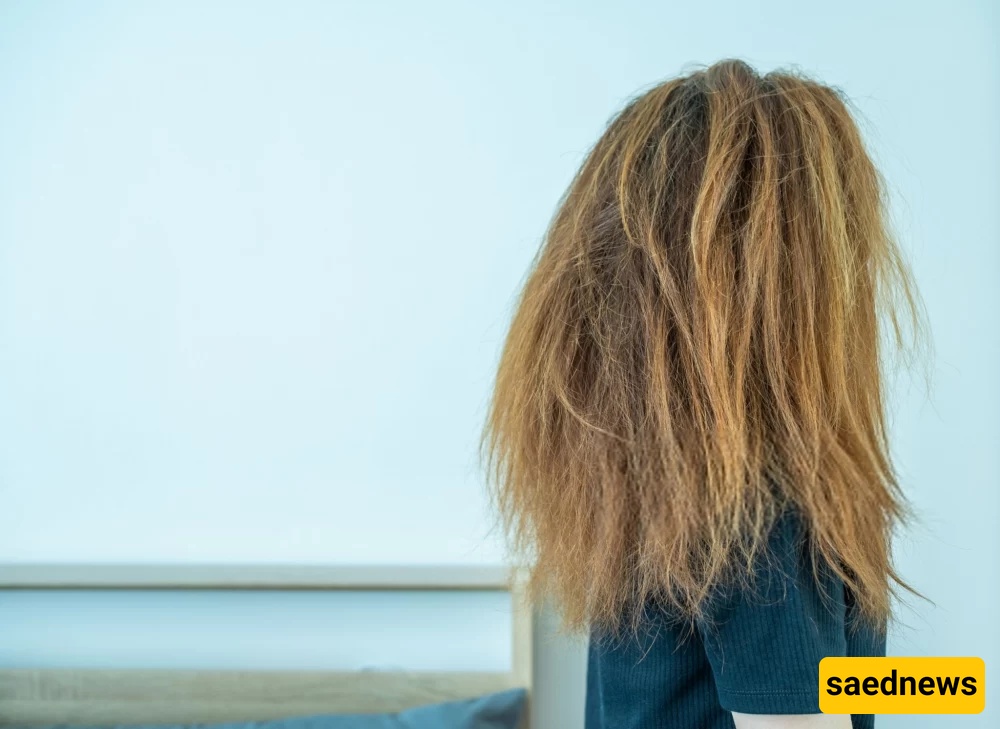
If your hair becomes extremely dry, brittle, or prone to breakage after a keratin treatment, consider consulting a qualified hairstylist.
A professional may recommend restorative treatments, changes to your hair-care routine, or trimming severely damaged ends. Repeating a strong chemical treatment on already damaged hair may not be the best option.
Several habits can make dryness and damage worse:
Using a harsh regular shampoo: Strong cleansing ingredients may strip moisture and reduce the longevity of the treatment.
Washing your hair too frequently: Frequent washing can remove natural oils.
Using alcohol-heavy styling products: Certain sprays and gels can contribute to dryness.
Frequent exposure to chlorine or seawater: Pool chlorine and salt water can affect treated hair.
Sleeping with wet hair: Wet hair is more vulnerable to tangling, friction, and breakage.
In many cases, dryness after a keratin treatment is temporary and can improve with appropriate care.
Keratin treatments are not permanent and typically gradually fade over several months. However, the exact duration depends on the product used, hair type, washing routine, and other factors.
If the hair has experienced significant chemical or heat damage, recovery may take longer because damaged hair cannot completely repair itself biologically. In severe cases, the healthiest approach may be to grow out the damaged sections and trim them gradually.
Repeated use of aggressive chemical treatments can increase the risk of long-term hair damage.
If your hair is naturally dry or has become excessively dry after a keratin treatment, you may want to consider other approaches.
Hair Botox is a cosmetic conditioning treatment designed to improve the appearance, softness, and manageability of the hair. Formulas vary, so it is important to check the ingredients rather than assuming every product is formaldehyde-free.
Nanoplasty is another hair-smoothing technique that is marketed as an alternative to traditional keratin treatments. Its ingredients, strength, results, and potential for damage can vary significantly between products.
Some treatments use ingredients such as aloe vera and plant proteins as part of their formulas. These may provide conditioning and smoothing benefits, although the results depend on the specific product and hair type.
Simple moisturizing treatments can also help improve the feel of dry hair. Ingredients such as banana, honey, yogurt, and olive oil are commonly used in homemade hair masks.
Dry hair after a keratin treatment does not necessarily mean that the treatment has permanently damaged your hair. The problem can be related to excessive heat, strong chemicals, unsuitable products, previous damage, or inadequate aftercare.
The most important steps are to avoid unnecessary heat and chemical processing, use gentle and moisturizing hair-care products, protect the hair from environmental stress, and give damaged sections time to grow out.
If your hair becomes severely brittle or continues to deteriorate, professional assessment is the safest way to determine whether your hair needs restorative care or a break from chemical treatments.