SAEDNEWS: Strong family habits play a key role in supporting children's mental well-being. By practicing healthy family habits consistently, parents can create a positive environment that promotes emotional growth and long-term psychological health.

According to SAEDNEWS, children's mental well-being is shaped not only by major life events but also by the small routines they experience every day. Families who spend quality time together, communicate openly, and provide consistent support help children develop emotional stability and confidence. Positive habits practiced at home create a secure foundation that allows children to face challenges with resilience.
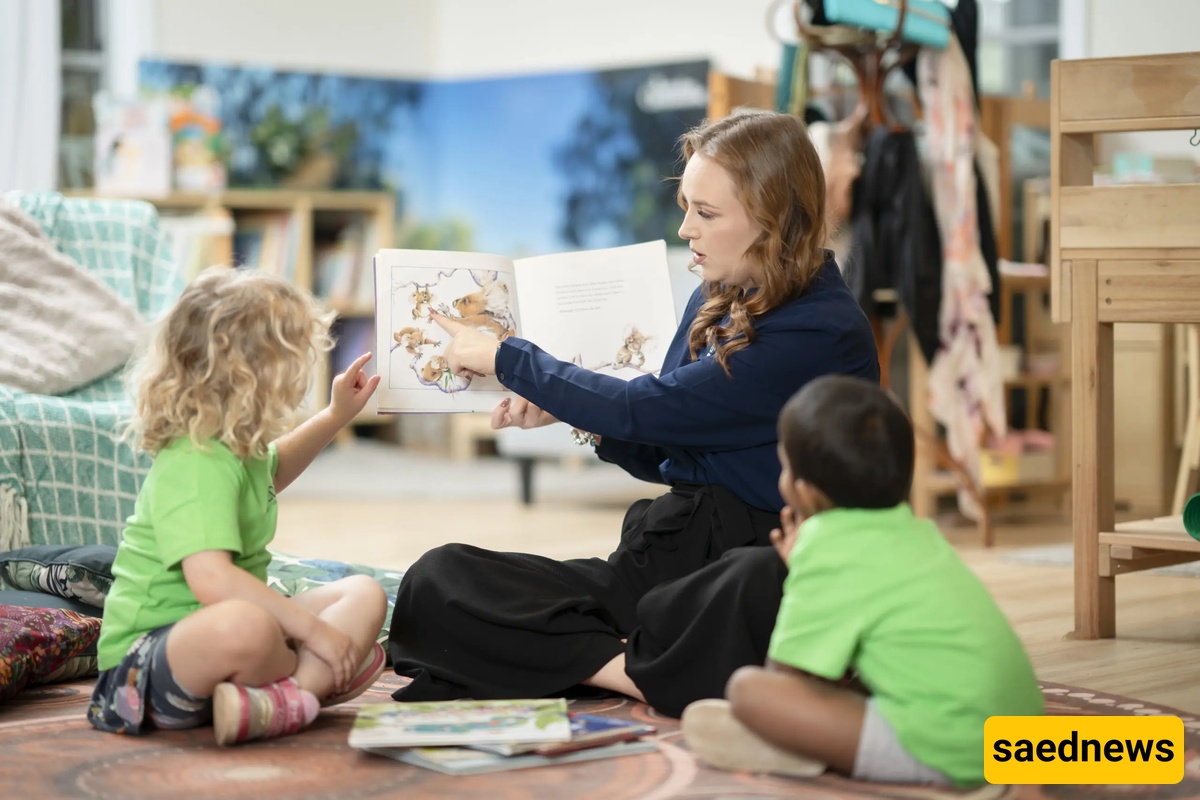
One of the most valuable family habits is spending meaningful time together without distractions. Sharing meals, reading stories, taking walks, or playing simple games allows children to feel valued and connected. These moments strengthen trust between parents and children while creating opportunities for meaningful conversations. Regular family time also helps children feel emotionally secure and reduces feelings of loneliness.
Children benefit greatly when they know their thoughts and feelings are welcomed without judgment. Listening patiently, asking thoughtful questions, and responding with kindness teach children that their emotions matter. Parents who model respectful communication also help children develop healthy ways to express themselves, resolve conflicts, and build positive relationships with others.
Predictable routines provide children with a sense of stability and security. Regular times for waking up, eating meals, studying, playing, and sleeping help reduce stress and uncertainty. When children know what to expect, they often feel more confident and better able to manage their emotions. Flexible routines that adapt to changing needs while maintaining consistency can further support mental well-being.
Families that regularly express gratitude and appreciation create a warm emotional atmosphere. Simple habits such as thanking one another, celebrating small achievements, and offering encouraging words help children develop a positive outlook. Acts of kindness within the family also teach empathy, compassion, and respect, strengthening emotional bonds and promoting healthy self-esteem.
Mental well-being is closely connected to physical health. Families can support children's emotional balance by encouraging nutritious meals, regular physical activity, sufficient sleep, and time away from excessive screen use. Spending time outdoors, engaging in creative activities, and enjoying shared hobbies also reduce stress while strengthening family relationships. When parents consistently model healthy habits, children are more likely to adopt them throughout their lives.