SAEDNEWS: Teaching responsibility from an early age helps children become dependable, confident, and prepared for future challenges. By giving age-appropriate responsibilities, encouraging accountability, and setting a positive example, parents can help children develop habits that benefit them throughout life.
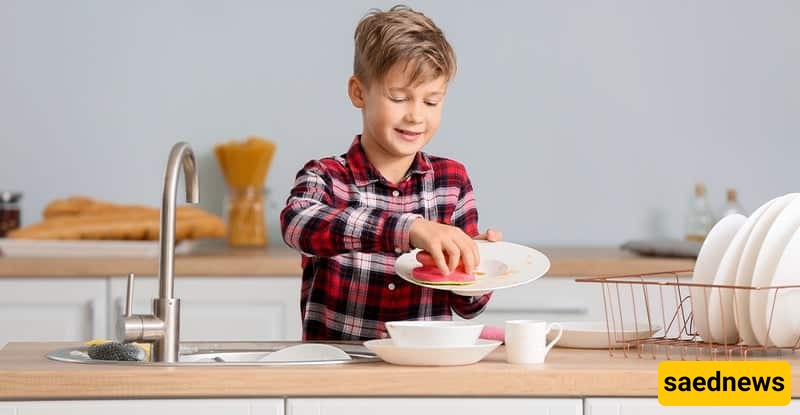
According to SAEDNEWS, responsibility is a skill that develops through daily practice rather than a single lesson. Children learn best when they are trusted with simple tasks, guided with patience, and praised for their sincere efforts. Consistent routines and realistic expectations help them understand that every action has consequences, making responsibility a natural part of their character.
Giving children suitable household tasks is one of the most effective ways to teach responsibility. Younger children can put away their toys, arrange their shoes, or help set the dining table, while older children can organize their school supplies, water plants, or assist with simple household chores. Completing these tasks regularly helps children understand the importance of contributing to the family and caring for their surroundings.
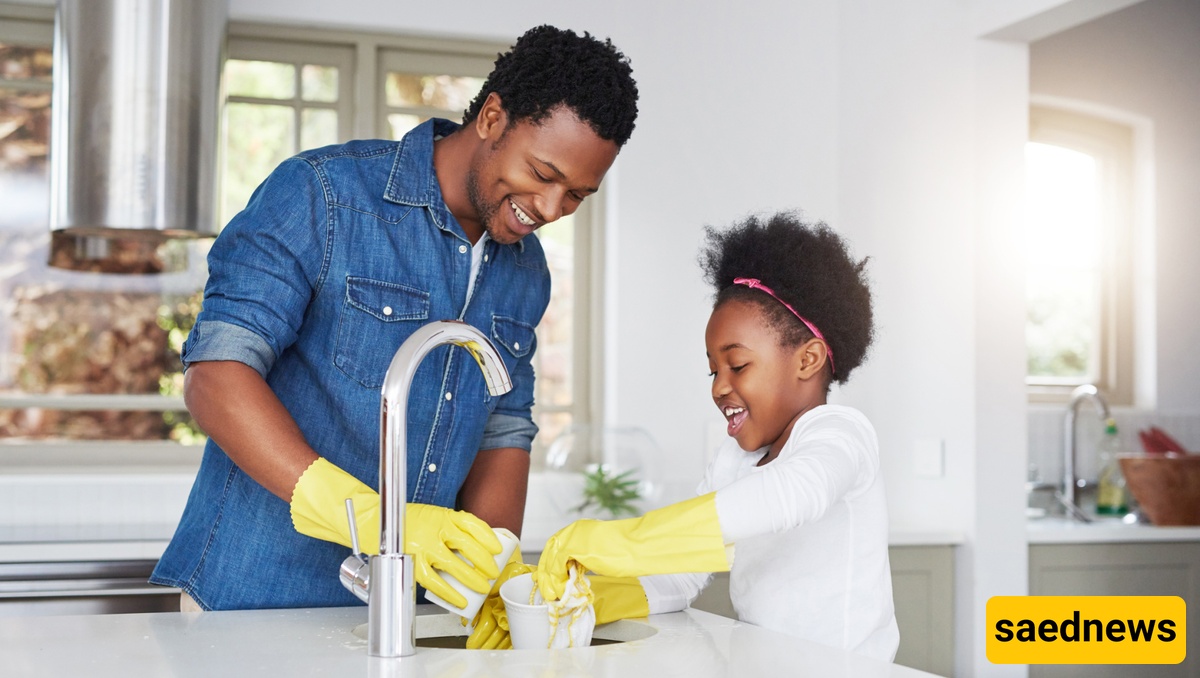
Children should be encouraged to take responsibility for both their successes and mistakes. Instead of immediately solving every problem for them, parents can ask thoughtful questions that help children find solutions on their own. When a child forgets a responsibility, gentle reminders and discussions about how to improve next time are more effective than harsh criticism. This approach builds confidence, honesty, and resilience.
Parents are children's first role models, and responsible behavior is often learned through observation. Keeping promises, completing daily obligations, and showing respect for others demonstrate what responsibility looks like in everyday life. Acknowledging children's consistent efforts with kind words and encouragement reinforces positive habits and motivates them to become reliable, independent, and trustworthy individuals as they grow.