SAEDNEWS: Decision fatigue can quietly drain your mental energy, making even simple choices feel overwhelming. By reducing unnecessary decisions, creating routines, and prioritizing important tasks, you can preserve your focus and make better choices throughout the day.
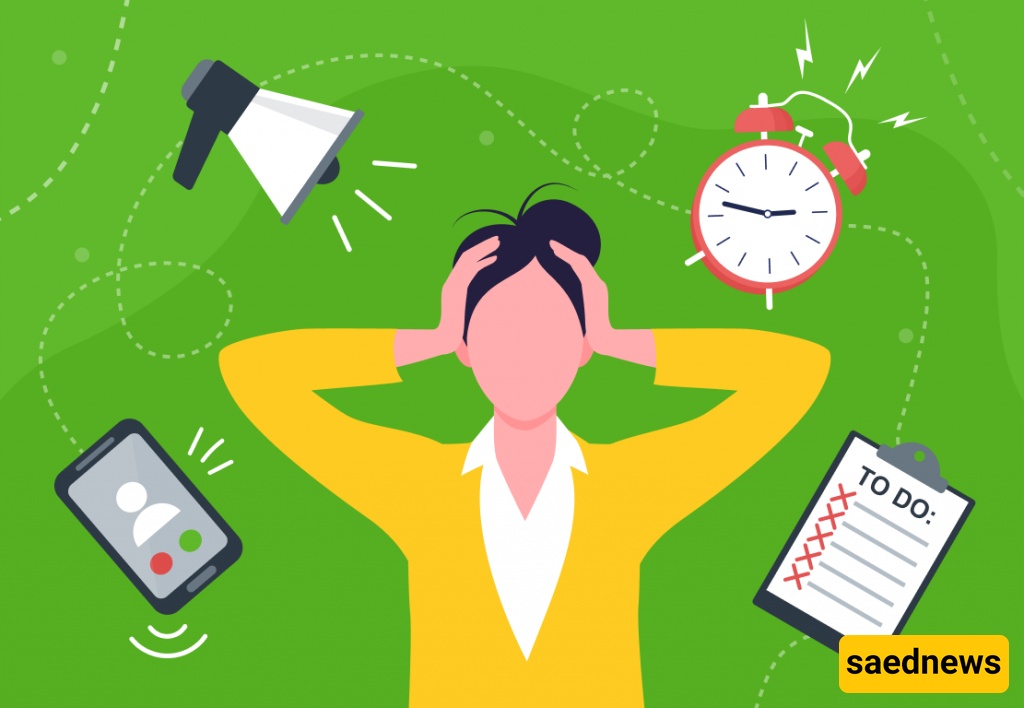
According to SAEDNEWS, decision fatigue is a psychological state that occurs when the brain becomes exhausted after making too many choices. Every decision, from selecting breakfast to handling work responsibilities, consumes mental energy. Over time, this can reduce self-control, increase procrastination, and lead to poor judgment. Fortunately, a few practical habits can help protect your brain from unnecessary mental exhaustion.
Your brain has a limited amount of mental energy available each day. Constantly switching between tasks, making repeated choices, and dealing with interruptions gradually depletes that energy. As your mental resources decline, you may find yourself avoiding decisions, making impulsive choices, or feeling stressed over simple tasks. Recognizing these signs is the first step toward managing them effectively.
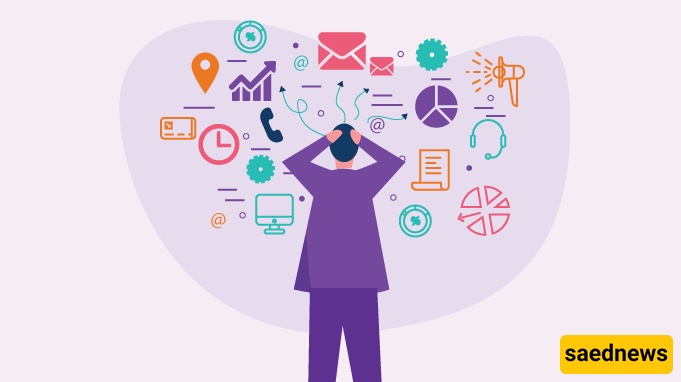
One of the most effective ways to prevent decision fatigue is to automate everyday activities. Wearing similar work outfits, planning meals in advance, or following a consistent morning routine reduces the number of small decisions your brain must make. These simple habits free up mental capacity for more meaningful responsibilities and important problem-solving.
Most people have the highest levels of mental energy during the first part of the day. Schedule demanding tasks, strategic planning, and major decisions during your peak focus hours whenever possible. Less important activities, such as responding to routine emails or organizing files, can be completed later when your mental energy naturally begins to decline.
Taking short breaks, getting enough sleep, exercising regularly, and maintaining a balanced diet all support healthy brain function and reduce mental exhaustion. Limiting unnecessary options, setting clear priorities, and learning to say no to nonessential commitments also help conserve cognitive resources. By managing your mental energy wisely, you can make better decisions, stay productive, and experience less stress in both your personal and professional life.