SAEDNEWS: Some children are quiet in social settings despite being talkative at home. This behavior may be linked to personality, anxiety, unfamiliar environments, or developmental factors, and understanding the cause helps parents provide appropriate support.
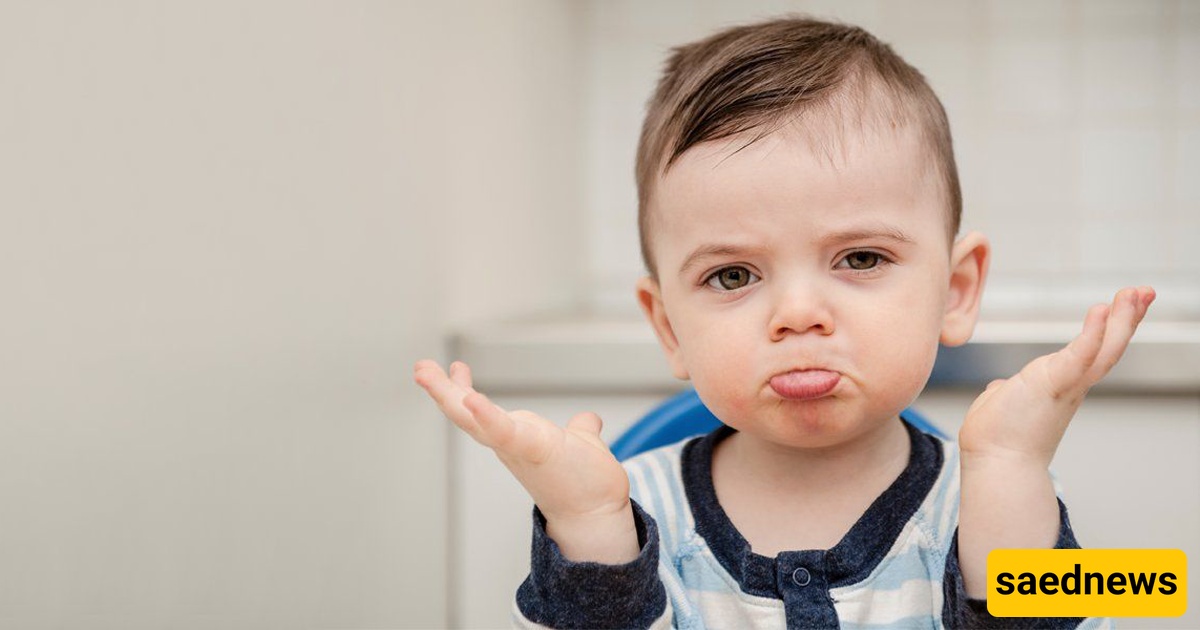
According to SAEDNEWS, children may become quiet in groups for many different reasons, and not all of them are signs of a problem. Some children are naturally introverted and prefer observing before joining conversations. Others may feel overwhelmed by unfamiliar people, loud environments, or the pressure to speak. A lack of confidence, fear of making mistakes, or previous negative social experiences can also cause children to withdraw and speak less in public settings.
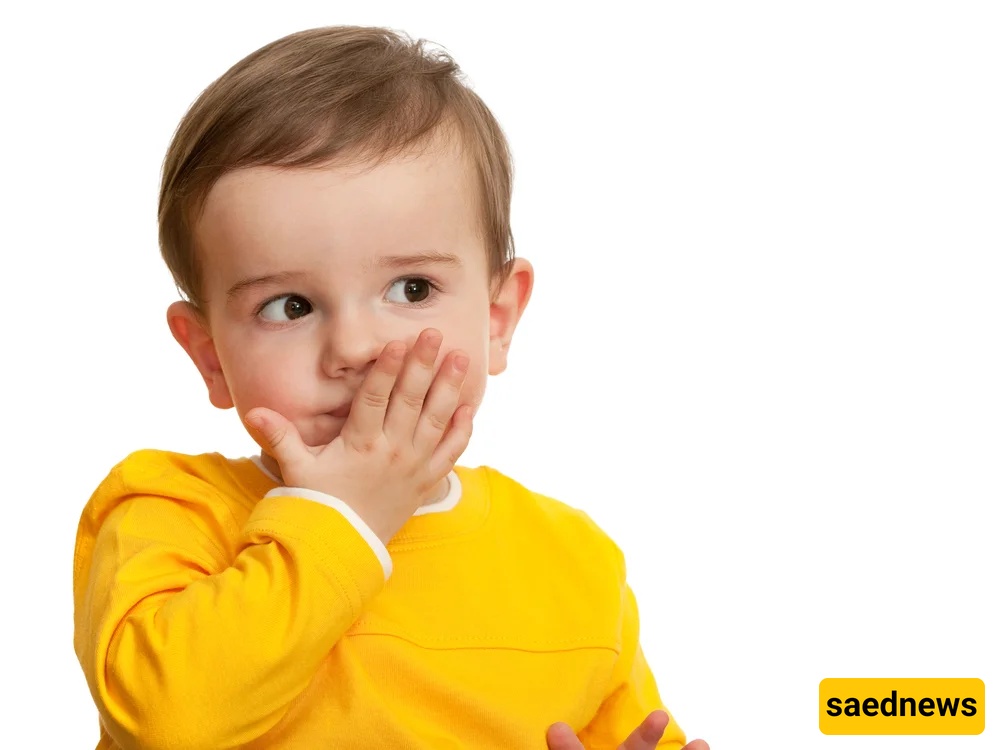
Every child has a unique temperament. Introverted children often need more time to feel comfortable in social situations. Shy children may worry about being judged, while highly sensitive children can become overwhelmed by noise and activity. In some cases, social anxiety may make children afraid of speaking or participating, especially around adults or unfamiliar peers. Language development challenges or communication difficulties may also contribute to quiet behavior in group settings.
Parents and caregivers can support quiet children by respecting their personality while gently encouraging social growth. Instead of forcing a child to speak, provide opportunities for small, positive interactions with familiar people before introducing larger groups. Praise effort rather than performance, model confident communication, and avoid labeling the child as "shy," as this can reinforce the behavior. If a child's silence is persistent, causes significant distress, or interferes with daily activities and friendships, consulting a child psychologist or pediatrician can help identify whether additional support is needed.