SAEDNEWS: Children often express emotional struggles through changes in their behavior rather than words. Recognizing these signs early helps parents and caregivers provide the understanding, reassurance, and support children need to feel emotionally safe and secure.

According to SAEDNEWS, children may not always be able to explain their emotions, especially when they are feeling overwhelmed, anxious, or insecure. Instead, they communicate their emotional needs through actions, habits, and changes in behavior. Paying close attention to these signals can help adults respond with empathy before small concerns develop into larger emotional challenges.
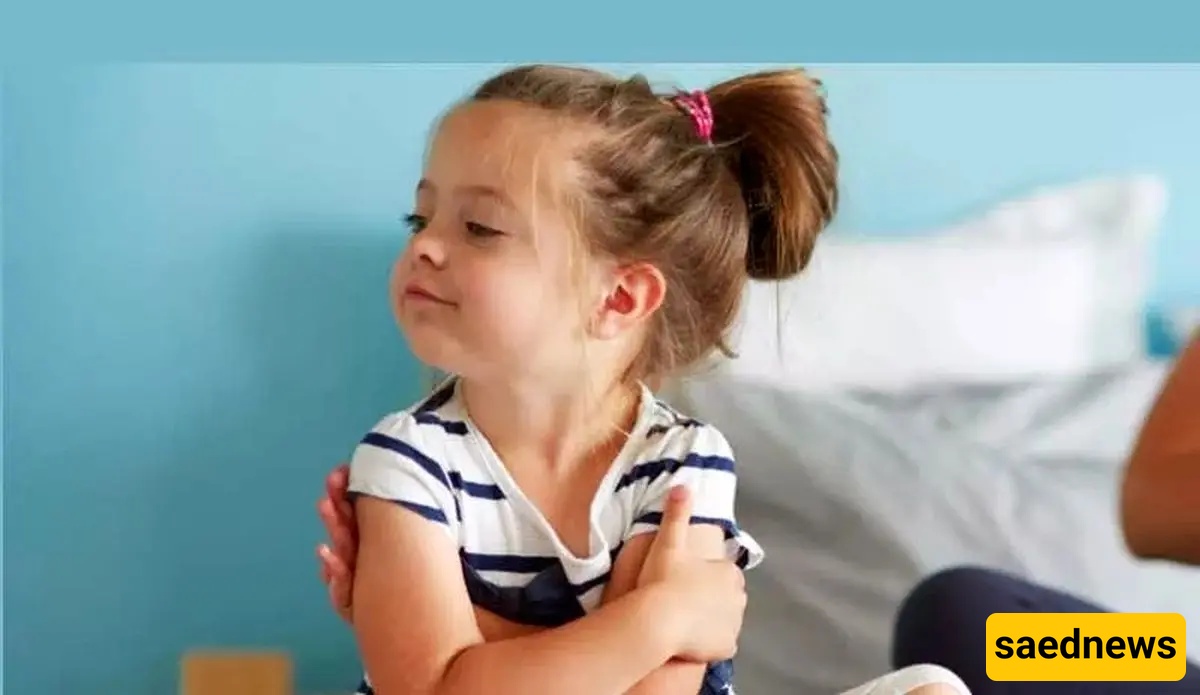
One of the most noticeable signs that a child may need additional emotional support is a sudden shift in personality or behavior. A normally cheerful child may become withdrawn, unusually quiet, or easily irritated. Others may display frequent tantrums, excessive crying, or increased frustration over minor situations. These changes often indicate that a child is struggling with emotions they cannot yet express verbally and may benefit from patient conversations, reassurance, and consistent routines.
Some children react to emotional stress by becoming more dependent on trusted adults. They may refuse to separate from parents, become fearful of new situations, or seek constant reassurance. Nightmares, trouble sleeping alone, or anxiety about attending school can also reflect an increased need for emotional security. Rather than viewing these behaviors as attention-seeking, caregivers should recognize them as requests for comfort and stability.
Children who need greater emotional support may gradually lose interest in activities they once enjoyed. They might avoid playing with friends, spend more time alone, or appear less enthusiastic about hobbies and family events. Social withdrawal can be a response to sadness, stress, or emotional exhaustion. Encouraging open communication, spending quality one-on-one time together, and creating a safe environment where children feel heard can help rebuild their confidence and emotional well-being.
Emotional difficulties sometimes appear as physical symptoms. Frequent headaches, stomachaches, changes in appetite, or ongoing fatigue without an obvious medical explanation may be linked to emotional stress or anxiety. While persistent symptoms should always be evaluated by a healthcare professional, parents should also consider whether recent life changes, school pressures, or family challenges could be affecting the child's emotional health. A supportive home environment, active listening, and professional guidance when needed can make a meaningful difference in helping children feel secure and emotionally resilient.