SAEDNEWS: Many children find sudden changes difficult because they rely on routines for security and predictability. Understanding the psychology behind this behavior helps parents and caregivers support children through transitions with greater confidence.

According to SAEDNEWS, children rely heavily on routines because they create a sense of security and stability. Daily patterns such as waking up, eating meals, attending school, and bedtime help children understand what to expect next. Since their brains are still developing the skills needed to process uncertainty, sudden changes can make them feel confused or overwhelmed.
Young children often have limited experience dealing with unexpected situations. Without the ability to predict what will happen, they may interpret change as something threatening rather than exciting. This is why even small disruptions, such as taking a different route home or changing bedtime, can sometimes lead to frustration or anxiety.
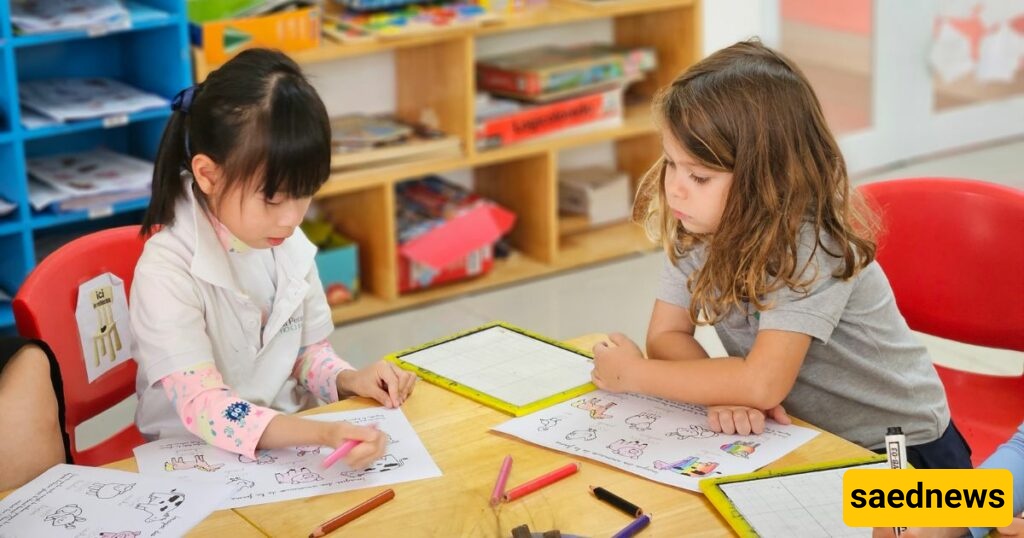
Children are still learning how to recognize, express, and regulate their emotions. When a sudden change occurs, they may experience fear, sadness, or anger but lack the language or emotional skills to explain what they are feeling. Instead, these emotions may appear as tantrums, crying, withdrawal, or resistance.
As children mature, their emotional regulation improves, allowing them to adapt more easily to new situations. Supportive adults who acknowledge children's feelings without dismissing them can help build resilience and emotional confidence over time.
One of the most effective ways to reduce stress is to prepare children before a change happens. Talking about upcoming events, using visual schedules, reading stories about similar experiences, and giving simple explanations allow children to mentally adjust before the transition occurs.
Maintaining familiar routines whenever possible also provides comfort. Even during major life changes such as moving to a new home or starting a new school, preserving consistent bedtime rituals or family traditions can help children feel grounded and secure.
Although children naturally prefer routine, learning to adapt is an important life skill. Parents and caregivers can gradually introduce small, manageable changes while offering reassurance and encouragement. Positive experiences with minor changes teach children that new situations are not always negative and that they have the ability to cope successfully.
Over time, repeated supportive experiences strengthen children's confidence, emotional flexibility, and problem-solving abilities. Rather than avoiding change altogether, helping children navigate it with patience and understanding allows them to develop resilience that benefits them throughout life.