SAEDNEWS: Learn the essential principles of selecting, maintaining, and using contact lenses correctly to help prevent eye infections and improve the quality of your vision.

According to Saednews, Contact lenses have become one of the most popular solutions for vision correction and cosmetic eye color enhancement. Their convenience, freedom from eyeglass frames, and natural appearance make them a preferred choice for millions of people. However, improper use of contact lenses can lead to serious eye problems, ranging from mild irritation to severe corneal infections that may permanently affect vision.
Understanding the correct way to choose, wear, and care for contact lenses is essential for maintaining healthy eyes and clear vision. This guide covers the most important practices to help you use contact lenses safely and confidently.
Selecting contact lenses should never be based solely on price or appearance. The ideal lens depends on several factors, including the shape of your cornea, tear production, prescription strength, and daily lifestyle.
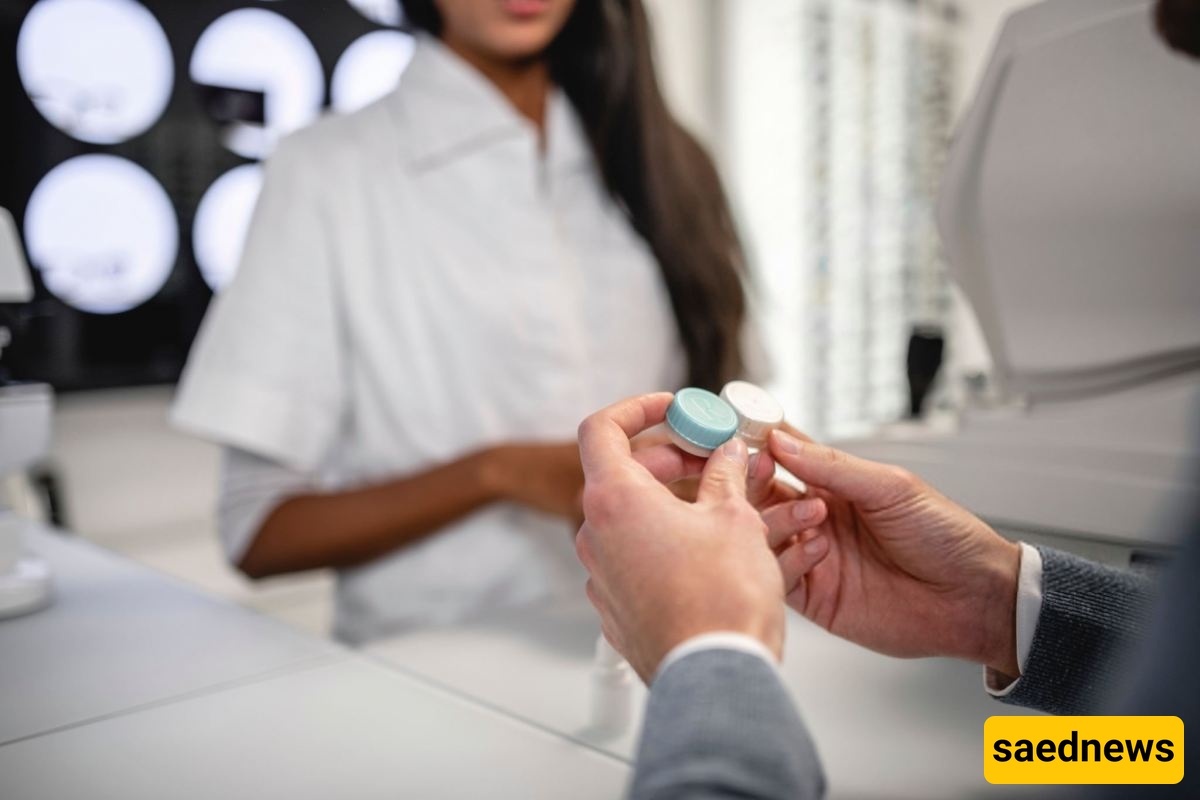
An eye care professional can perform detailed examinations, such as corneal measurements and tear film assessments, to recommend the most suitable lens type.
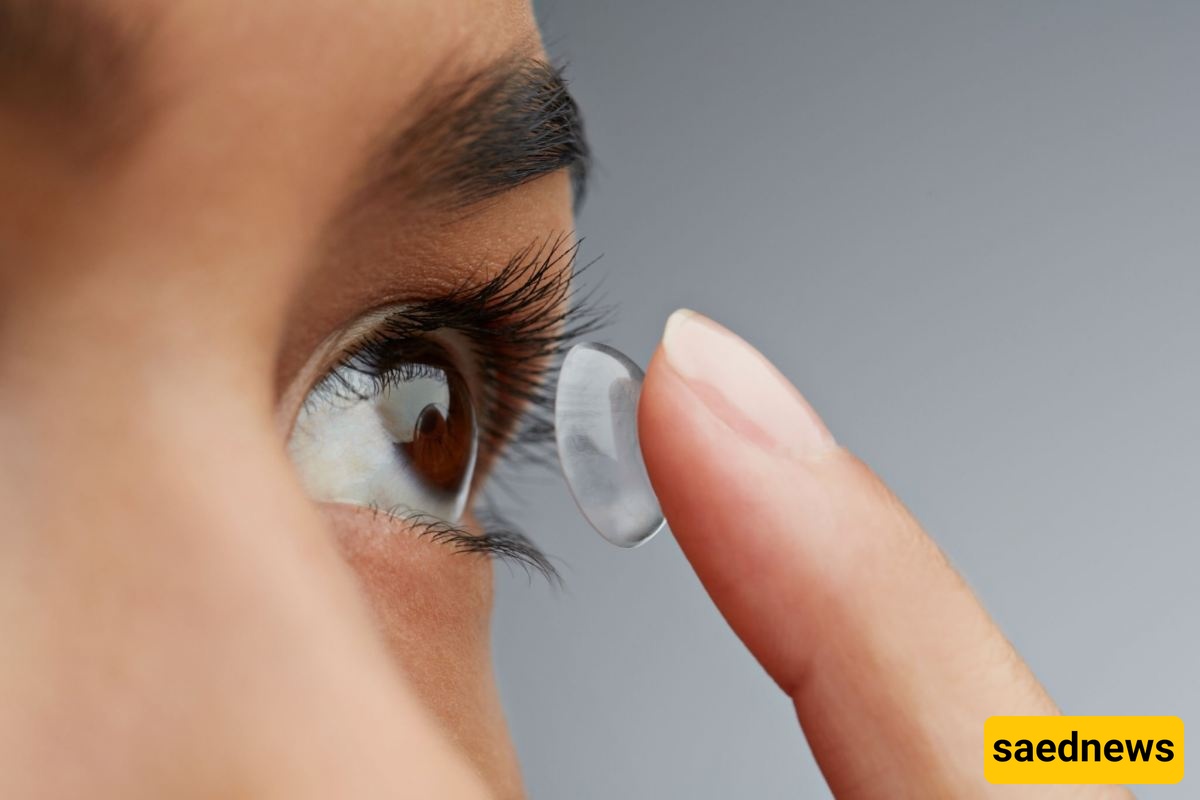
Soft lenses are the most commonly used option and are available as daily disposable, bi-weekly, and monthly lenses. They are flexible, comfortable, and suitable for most users. Because they absorb moisture and debris, they require proper cleaning and timely replacement.
RGP lenses provide excellent vision quality and durability. They are often recommended for individuals with high astigmatism or irregular corneas, including conditions such as keratoconus. Although they require a longer adjustment period, they offer sharper vision and longer-lasting performance.
Colored lenses are designed to enhance or completely change eye color. Even cosmetic lenses should meet medical safety standards and be purchased from reputable sources. Low-quality lenses can reduce oxygen flow to the eye and increase the risk of infection.
Important: Never purchase contact lenses without a professional fitting or prescription. Contact lens prescriptions differ from eyeglass prescriptions, and incorrect measurements can lead to blurred vision, headaches, and eye strain.
Clean hands are the first line of defense against eye infections.
Before touching your contact lenses:
Wash your hands thoroughly with mild, fragrance-free soap.
Dry your hands with a clean, lint-free towel.
Keep your fingernails short and clean to avoid damaging the lenses.
Avoid oily, moisturizing, or heavily antibacterial soaps that may leave residue.
Wash your hands for at least 20 seconds using lukewarm water before handling your lenses.
Never clean or rinse contact lenses with tap water, bottled water, or saliva. Tap water may contain microorganisms such as Acanthamoeba, which can cause a serious and difficult-to-treat eye infection. Always use a sterile multipurpose contact lens solution for cleaning, disinfecting, and storing your lenses.
Proper insertion reduces the risk of discomfort and eye injury.
Remove the lens from its case and place it on the tip of your index finger.
Check that the lens forms a smooth bowl shape and is not inside out.
Hold your upper and lower eyelids open with your other hand.
Gently place the lens on the center of your eye.
Blink several times until the lens settles comfortably.
If the lens feels uncomfortable, remove it, inspect it for damage or debris, and reinsert it if appropriate.
Before removing your lenses:
Wash your hands thoroughly.
If your eyes feel dry, apply lubricating eye drops approved for contact lens users.
To remove the lens:
Look upward slightly.
Gently slide the lens downward with your index finger.
Pinch the lens carefully between your thumb and index finger.
Place the lens in your palm.
Apply fresh contact lens solution and gently rub the lens for 10 to 15 seconds before storing it, even if using a "no-rub" solution.
Avoid removing lenses with your fingernails, as this may scratch or tear the lens and create areas where bacteria can accumulate.
One of the most important aspects of safe contact lens use is following the recommended replacement schedule.
These lenses are designed for a single day of use and should be discarded after removal. Never reuse them.
Replace these lenses according to the manufacturer's schedule after opening the package, regardless of how clean they appear. Protein deposits and reduced oxygen permeability develop over time, increasing the risk of infection.
Sleeping while wearing standard contact lenses significantly increases the risk of microbial keratitis, a serious corneal infection.
Only wear lenses overnight if they have been specifically prescribed and approved for extended wear by your eye care professional.
Standard soft lenses: Up to 8–12 hours
Silicone hydrogel lenses: Up to 14 hours for some users
Colored contact lenses: No more than 6–8 hours due to reduced oxygen transmission
Contact lenses should never cause persistent discomfort.
Remove your lenses immediately and consult an eye care professional if you experience:
Eye redness
Burning, itching, or irritation
Blurred vision that does not improve after blinking
Increased sensitivity to light
A persistent feeling that something is in your eye
Excessive tearing or discharge
These symptoms may indicate an infection, corneal injury, or an allergic reaction to your lens care solution.
If possible, keep the affected lens in fresh solution and bring it to your eye examination.
Never wear contact lenses while swimming, using a hot tub, or taking a shower. Water can contain bacteria and parasites that increase the risk of serious eye infections.
If swimming is unavoidable, wear tight-fitting swimming goggles and replace daily disposable lenses immediately afterward or thoroughly disinfect reusable lenses.
For safer makeup use:
Insert your contact lenses before applying makeup.
Remove your lenses before removing makeup.
Replace mascara and liquid eyeliner every three months.
Avoid applying eyeliner along the inner eyelid margin.
Dry environments, air conditioning, wind, and extended computer use can reduce eye moisture.
Use preservative-free lubricating eye drops that are specifically designed for contact lens wearers. Avoid redness-relieving eye drops unless recommended by an eye care professional.
Your lens case requires regular maintenance.
Rinse it daily with fresh contact lens solution.
Allow it to air dry completely.
Replace the case every one to three months.
Always use fresh solution each night and never top off old solution.
Contact lenses offer a convenient and effective alternative to glasses when used responsibly. Proper lens selection, excellent hygiene, timely replacement, and regular eye examinations greatly reduce the risk of complications while ensuring comfortable, clear vision.
If you are new to contact lenses, receive hands-on instruction from an eye care professional and begin by wearing them for short periods—typically no more than two hours on the first day. By following these best practices, you can enjoy the benefits of contact lenses while protecting your long-term eye health.