SAEDNEWS: For newborns, shoes are mainly for warmth and appearance. But when children start walking, choosing the right shoes becomes essential because their feet are still developing, and improper shoes can affect their foot health.
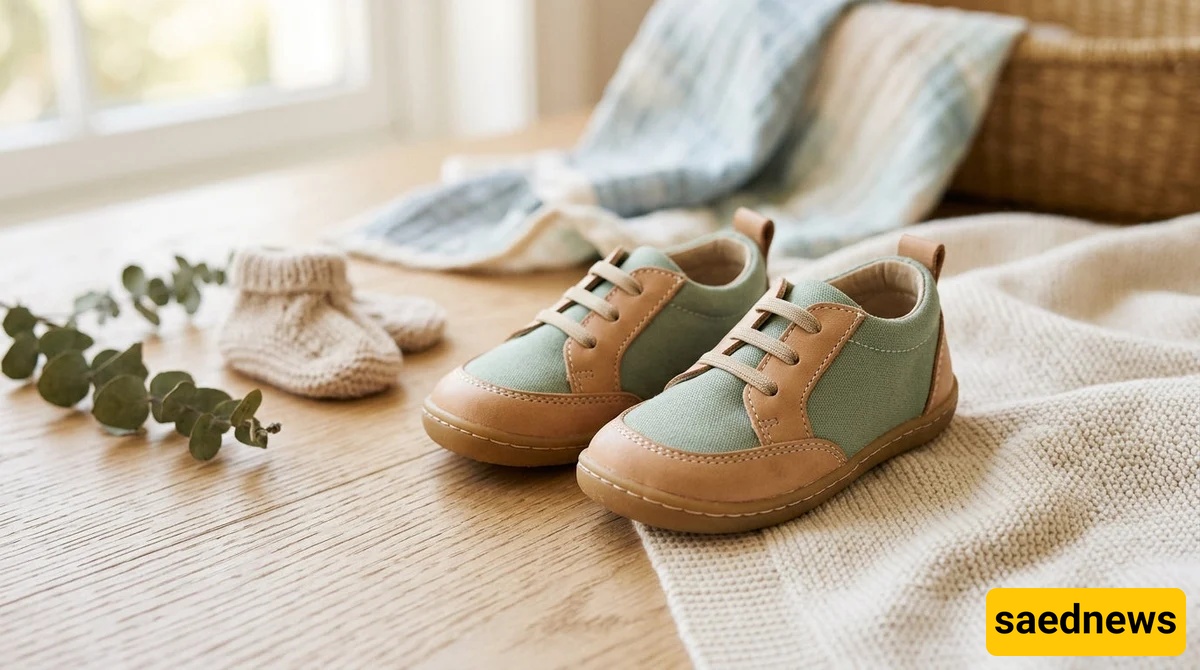
According to SAEDNEWS, Perhaps for newborns and babies who are not yet walking, shoes are only used for appearance and keeping their feet warm. However, as soon as children reach the walking stage, choosing the right shoes becomes very important. Pay close attention when buying shoes for your child because their feet are still developing, and unsuitable shoes may affect their foot health permanently.
This simple guide will help you choose the best and most beautiful shoes for your child’s little feet.
A baby’s tendons, muscles, and bones are still soft and cannot adapt to shoes. If you buy shoes for your newborn, the most important thing is to choose soft shoes. Babies do not actually need shoes before they start walking. Suitable baby shoes are usually similar to socks and are mainly used to keep their feet warm. Avoid buying stiff and tight shoes that squeeze your baby’s feet, especially for babies under six months old.
When your little one starts walking, they do not have much balance and may fall frequently. When a child walks barefoot, the soles of their feet create the necessary friction. However, when they wear shoes, the soles of the shoes should help prevent slipping and falling. Choose shoes with non-slip soles because slippery shoes can reduce a child’s confidence while walking. Some children’s shoes have textured soles, which can be a good choice.
Although saving money on children’s shoes is not recommended because of foot health, children’s feet grow very quickly. Some parents buy larger shoes so their children can wear them longer, but it is better to buy more affordable shoes in the correct size instead.
Oversized shoes can make children uncomfortable. Instead of buying several colorful pairs, choose one better-quality pair. Children’s feet grow so quickly that some shoes may become too small before they even get enough use. Experts recommend buying new shoes for children approximately every four months.
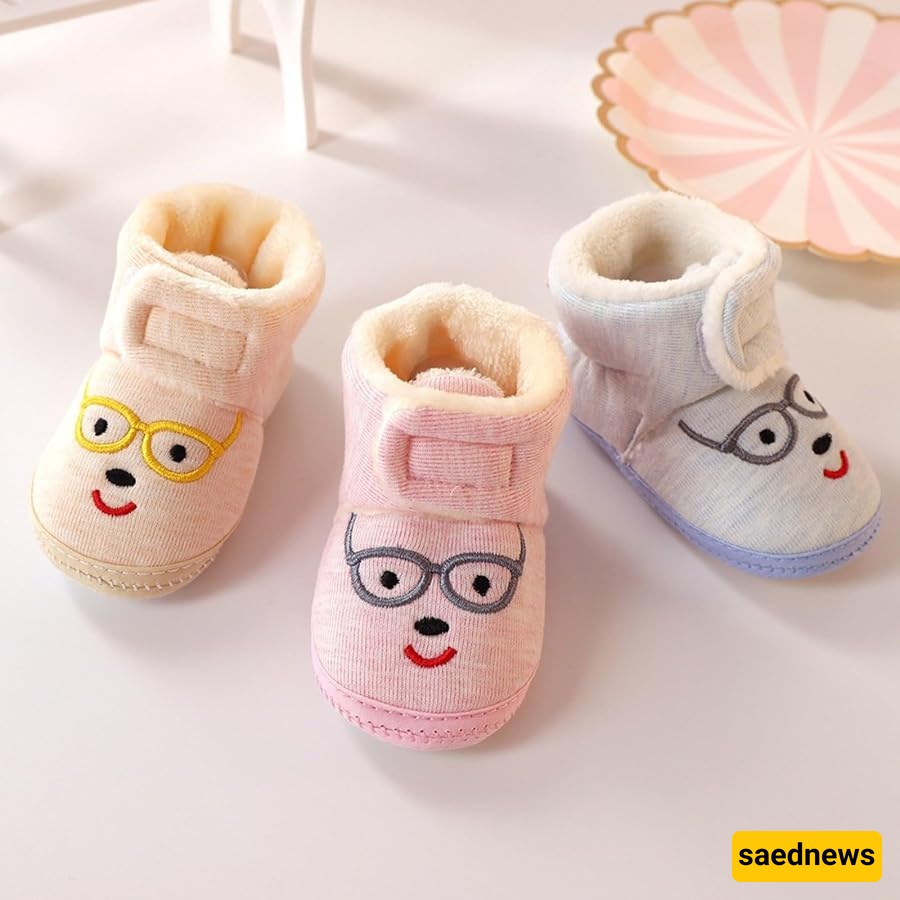
Shoes with zippers, laces, or Velcro straps provide better protection and are more suitable for children. They are also easier to put on and take off, so children are less likely to resist wearing them. Open-toe shoes may increase the risk of twisting a child’s foot.
When your child becomes old enough to put on shoes independently, it is better to choose shoes with Velcro instead of laces. Children usually enjoy doing personal tasks by themselves. Tying shoelaces can be difficult for them, but they can easily fasten Velcro shoes. Allowing children to do this themselves can help build their confidence.
The shoes you buy for your child should have a firm sole, while the upper part should be soft and flexible. Fold the shoes several times with your hands to make sure they bend easily. If you buy leather or rubber shoes, choose ones that have a fabric layer inside. Fabric prevents your child’s feet from sweating and becoming uncomfortable.
Adults can usually tell whether shoes fit them properly, but young children often cannot recognize if shoes are too small or too large. Many times, parents only realize after buying that the shoes do not fit their child correctly. There are several ways to check the right size.
First, put both shoes on your child and ask them to walk. Make sure the shoes do not slip off while walking. Then, touch the front of the shoe with your finger. There should be about one centimeter of space between the child’s toes and the front of the shoe.
Another method is to place your little finger at the back of the shoe. Your finger should fit comfortably between the child’s heel and the shoe. Some children have chubby feet, so make sure the shoes do not put pressure on their feet.
Do not believe the common phrase that “the shoes will stretch and fit later.” Also, remember that especially for winter shoes, you should always try them on with thick socks because the shoes may become too tight after the socks are worn.