SAEDNEWS: Protein supports maternal tissue growth and fetal development throughout pregnancy. Including a variety of protein-rich foods can help meet increased nutritional needs during this period.
According to SAEDNEWS, protein is an essential nutrient during pregnancy because the body uses it to build and maintain tissues and support the growth of the developing baby. Pregnancy brings changes that increase nutritional demands, making regular intake of protein-rich foods an important part of a balanced eating pattern.
The developing baby needs protein to form new tissues and support normal growth. Protein provides amino acids, which are used to build cells and contribute to the development of organs and other body structures. Adequate dietary protein is therefore particularly relevant as the pregnancy progresses and fetal growth accelerates.
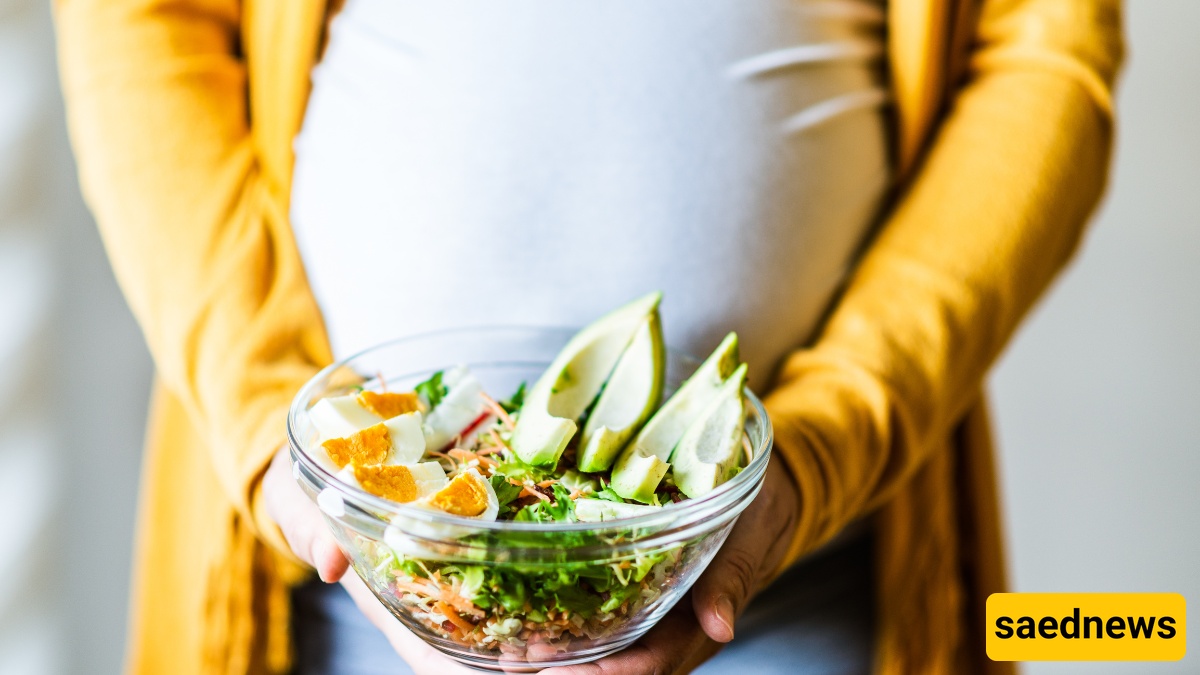
Protein is also needed by the pregnant woman's body. New tissues develop during pregnancy, including those associated with the uterus and placenta, while blood volume and other physiological processes change. Consuming enough protein as part of a varied diet helps provide the building blocks required for these changes.
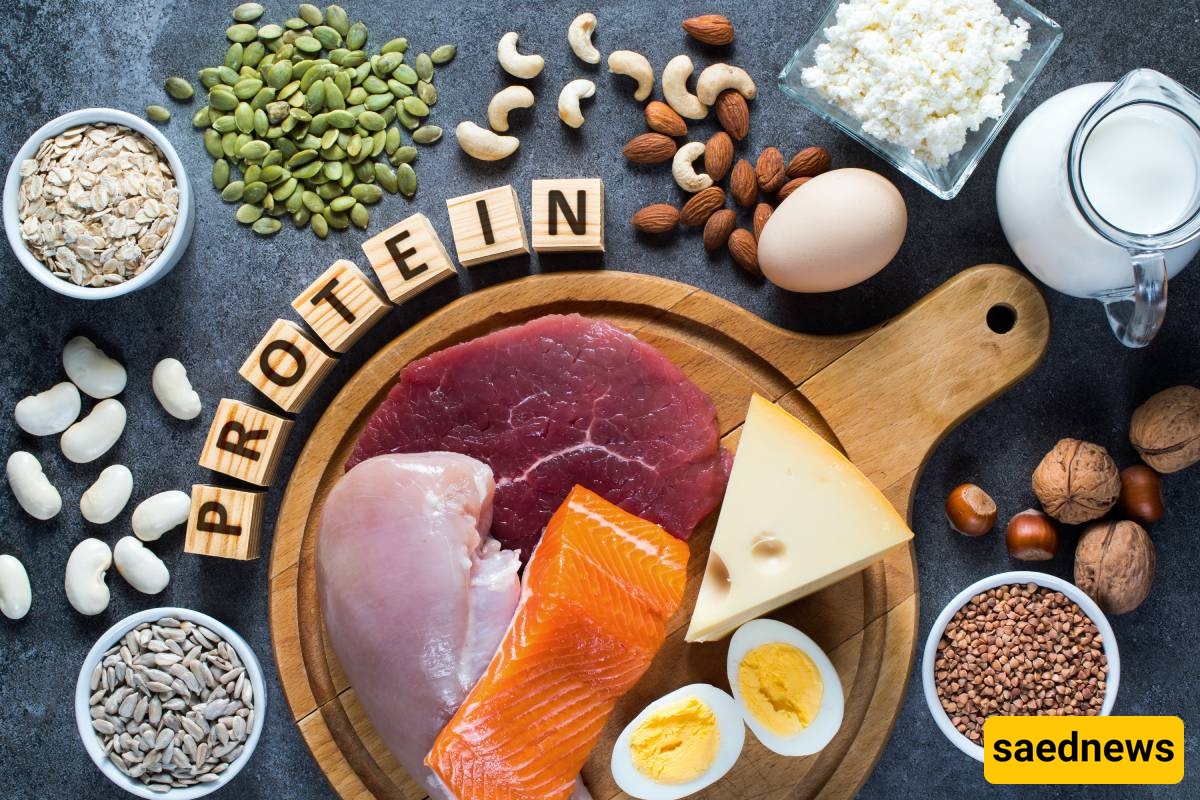
Good sources can include:
Eggs
Milk, yogurt, and other dairy foods
Chicken and other poultry
Fish that is appropriate during pregnancy
Lentils, beans, and other legumes
Nuts and seeds
Whole grains combined with plant-based protein sources
A balanced approach is more useful than focusing on protein alone. Protein-rich foods can also provide other nutrients needed during pregnancy. For example, dairy foods can contribute calcium, while legumes can provide fiber and several vitamins and minerals. Eggs and poultry provide protein along with other nutrients that support normal body functions.
The quality and variety of the overall diet matter, so protein is best included alongside vegetables, fruits, whole grains, and other nutrient-rich foods rather than treated as a separate goal.
Instead of trying to consume a large amount at one meal, protein can be incorporated throughout the day. A breakfast containing eggs or yogurt, a lunch with lentils or poultry, and a dinner that includes beans, fish, or another suitable protein source can make regular intake easier.
Individual protein needs can vary depending on factors such as body size, stage of pregnancy, activity level, and overall dietary intake. Pregnant women with specific nutritional concerns, restricted diets, or difficulty meeting their needs should discuss their diet with a qualified healthcare professional or registered dietitian.