SAEDNEWS: Pregnancy can bring noticeable changes in appetite, from increased hunger to food aversions and cravings. Hormonal changes, nausea, altered taste and smell, and digestive symptoms can all contribute.

According to SAEDNEWS, appetite can change considerably during pregnancy, and there is no single pattern that applies to everyone. Some women feel hungrier than usual, while others temporarily lose interest in foods they normally enjoy. Changes in taste and smell, including a metallic taste or increased sensitivity to odors, can also affect food preferences.
Several pregnancy-related changes can influence how much or how often a woman wants to eat:
Hormonal changes: Pregnancy hormones can affect taste, smell, digestion, and food preferences.
Nausea and vomiting: Morning sickness is particularly common during early pregnancy and may make certain foods or smells difficult to tolerate.
Changes in taste and smell: Foods may suddenly taste different, while familiar cooking smells may become unpleasant. Food cravings and aversions are recognized pregnancy symptoms.
Heartburn and indigestion: These symptoms can become more noticeable during pregnancy and may make large meals less comfortable.
Growing nutritional needs: Hunger may increase as pregnancy progresses, although this does not mean that a pregnant woman needs to literally “eat for two.” A varied and balanced diet remains the goal.
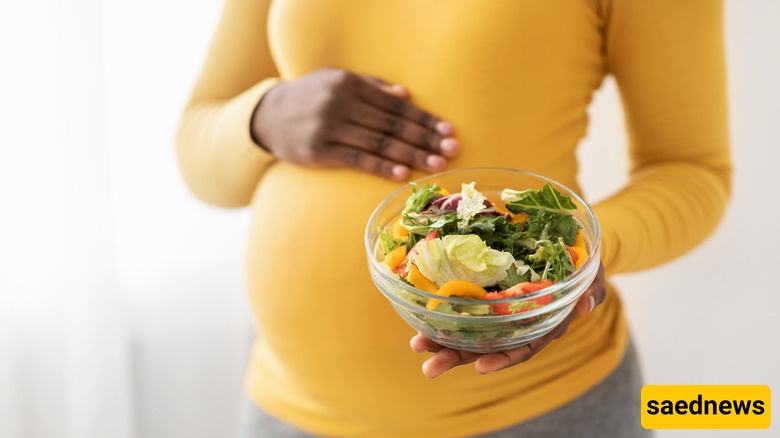
A sudden desire for particular foods or a strong dislike of others can occur during pregnancy. Changes in taste and smell are thought to contribute to these preferences, although the exact reasons for individual cravings are not always clear.
An appetite change does not necessarily mean that the body is specifically asking for a particular nutrient. Therefore, cravings should not automatically be interpreted as evidence of a nutritional deficiency. A balanced diet that includes a variety of nutritious foods is a more reliable way to support nutritional needs.
When nausea or food aversions reduce appetite, smaller and more frequent meals may be easier to tolerate than large meals. Some pregnant women also find that cold foods are easier to manage when cooking smells trigger nausea. Staying hydrated by taking frequent small sips of fluid can also be helpful.
If appetite loss becomes severe, particularly when accompanied by repeated vomiting, difficulty keeping food or fluids down, dizziness, dehydration, or weight loss, medical advice is important. Severe pregnancy sickness can interfere with adequate fluid and nutrient intake and may require professional treatment.
For most women, appetite changes are part of the many physical changes that can occur during pregnancy. Paying attention to tolerated foods, maintaining a varied diet when possible, and discussing persistent or concerning symptoms with a doctor or midwife can help ensure that nutritional needs remain adequately supported.