SAEDNEWS: Drinking herbal teas before sleep may help support nighttime fat burning by boosting metabolism and reducing stress levels. These natural beverages can promote relaxation, improve sleep quality, and support the body’s metabolic processes during rest.

According to Saednews, In today’s busy world, many people are looking for simple and natural ways to support their weight management goals. One popular approach that has gained attention in recent years is drinking herbal teas before bedtime.
These beverages are often enjoyed for their calming effects and their potential role in supporting digestion, relaxation, and healthy lifestyle habits. While no herbal tea can directly cause weight loss on its own, some ingredients may help support processes related to metabolism, appetite control, sleep quality, and overall wellness.
This article explores several herbal teas commonly used before sleep, their potential benefits, and how they can be prepared and consumed properly.

The body continues to perform important functions during sleep, including cellular repair, hormone regulation, and metabolic activity. Certain herbal ingredients may complement these natural processes by promoting relaxation, supporting digestion, and reducing factors that can affect weight management.
Some possible reasons people choose bedtime herbal teas include:
Supporting metabolism: Some herbs contain natural compounds that may help maintain normal metabolic activity.
Managing appetite: Certain teas may help create a feeling of fullness and reduce late-night snacking.
Improving digestion: Better digestion can support nutrient absorption and regular elimination.
Reducing stress: Chronic stress and elevated cortisol levels are associated with changes in appetite and fat storage.
Supporting fluid balance: Some herbs have mild diuretic properties that may help reduce temporary water retention.
Popular Herbal Teas Before Sleep
Ginger is widely used as a natural ingredient that may support digestion and metabolic health. Combined with lemon, which contains vitamin C and antioxidants, it creates a refreshing herbal drink.
May support healthy digestion
Contains antioxidant compounds
May help reduce feelings of nausea and bloating
Can provide a warming effect that supports comfort after meals
Add a few thin slices of fresh ginger to a cup of hot water and steep for 5–7 minutes. Add the juice of half a fresh lemon and, if desired, a small amount of honey. Drink about 30 minutes before bedtime.

Peppermint tea is a popular choice for evening relaxation and digestive comfort. Its refreshing flavor makes it a suitable caffeine-free option before sleep.
May help relax digestive muscles
Can reduce feelings of bloating
May support a sense of calm before bedtime
May help reduce unnecessary evening cravings
Add one teaspoon of dried peppermint leaves to a cup of hot water. Steep for 5–10 minutes, strain, and enjoy warm.

Cinnamon is a flavorful spice that has been studied for its relationship with blood sugar regulation and metabolic health. Adding a small amount of honey can improve the taste.
May support healthy blood sugar levels
Contains antioxidant compounds
May help reduce cravings for sweet foods
Steep one cinnamon stick or half a teaspoon of cinnamon powder in hot water for about 10 minutes. Allow it to cool slightly before adding a teaspoon of natural honey.

Chamomile is one of the most well-known herbal teas for relaxation and sleep support. Since sleep quality plays an important role in maintaining a healthy weight, chamomile can be a useful addition to a balanced lifestyle.
Promotes relaxation
May support better sleep quality
Can help soothe digestive discomfort
Contains anti-inflammatory compounds
Add one tablespoon of dried chamomile flowers to a cup of hot water and steep for 5–7 minutes. Drink 20–30 minutes before sleeping.
Green tea contains catechins and a small amount of caffeine. It is often associated with metabolic health and antioxidant benefits.
Contains powerful antioxidants
May support fat metabolism
May contribute to overall metabolic health
Steep one teaspoon of green tea leaves in water at around 80°C (not boiling) for 2–3 minutes. Because it contains caffeine, drinking it 1–2 hours before sleep may be more suitable for some people.

Fennel has traditionally been used to support digestion and reduce digestive discomfort.
May reduce bloating and gas
Supports digestive comfort
May help control appetite
Lightly crush one teaspoon of fennel seeds and steep them in a cup of hot water for 10 minutes. Strain and drink warm.

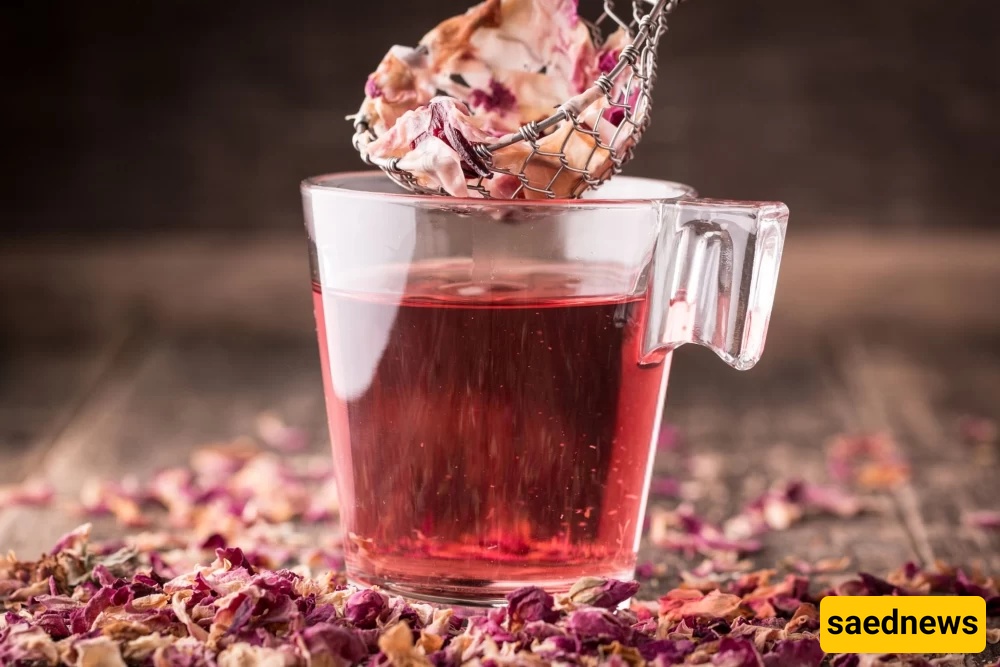
A combination of rose petals and lavender creates a relaxing herbal blend often used for stress relief and evening relaxation.
Supports relaxation and mood balance
Contains plant-based antioxidants
May help create a calming bedtime routine
Steep half a tablespoon of dried rose petals and half a teaspoon of dried lavender flowers in hot water for 7–10 minutes.
Best timing: Drink herbal tea about 30–60 minutes before bedtime.
Temperature: Enjoy tea warm rather than extremely hot.
Sweeteners: Avoid adding large amounts of sugar. Natural options such as small amounts of honey or stevia may be used.
Amount: One or two cups per day is generally enough.
Caffeine awareness: People sensitive to caffeine should choose caffeine-free options such as chamomile or peppermint.
Although herbal teas are generally considered safe for many people, excessive or inappropriate use may cause problems.
Possible concerns include:
Digestive discomfort: Some people may experience stomach irritation.
Medication interactions: Certain herbs, including ginger and cinnamon, may interact with some medications.
Allergic reactions: People with plant allergies should be cautious.
Pregnancy and breastfeeding: Herbal products should be discussed with a healthcare professional before use.
For better long-term results, herbal teas should be part of an overall healthy routine.

Choose lighter evening meals
Limit highly processed and high-calorie foods
Include enough fiber, protein, and vegetables
Aim for consistent daily movement
Evening walks may support digestion and stress reduction
Maintain a regular sleep schedule
Create a comfortable, dark sleeping environment
Reduce screen use before bedtime
Herbal teas before bedtime can be a relaxing and natural addition to a healthy lifestyle. Ingredients such as ginger, peppermint, cinnamon, chamomile, green tea, fennel, and rose may support digestion, relaxation, and healthy habits related to weight management.
However, herbal teas are not a replacement for balanced nutrition, regular exercise, and adequate sleep. Sustainable weight management depends on consistent lifestyle choices rather than a single drink or ingredient.
Before beginning any new weight management routine, especially if you have a medical condition or take medications, consult a healthcare professional.
Choosing the right herbal tea and maintaining healthy daily habits can help you enjoy these natural beverages as part of a balanced approach to wellness.