SAEDNEWS: There are organisms and animals that have a very strange ability to walk and even run on the surface of water. Which animals can walk on water?
According to SAEDNEWS, We know that moving and walking on the surface of water is extremely difficult, but for some wildlife inhabitants it is very easy, because the creation of these creatures is such that it enables them to move and even run on water without sinking. In this section, you will get to know animals that have this extraordinary ability.
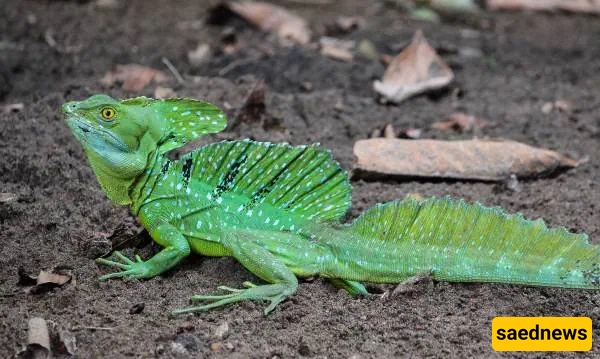
This lizard can easily jump from its home, which is on top of trees, onto the surface of the water and can even dive underwater to escape from predators. They also have very high speed and can reach 1.5 meters per second. This speed can even reach up to 4.5 meters per second.
This lizard has long toes, and the skin on its feet extends over the toes and connects them together, allowing it to move quickly across the surface of the water. Despite its high speed, it can maintain its balance. When it falls into the water, it can easily swim, but it usually prefers to stay on land because the risk of being hunted by aquatic animals is higher for it.
This creature is a very small lizard that is not particularly cute. It has a very light body weight, and its feet are hydrophobic, which allows it to easily walk on the surface of water. The lizard is extremely small and may even be smaller than some Amazon insects. Therefore, there is a risk of drowning for it even in shallow water, but its ability to walk on water prevents it from sinking.
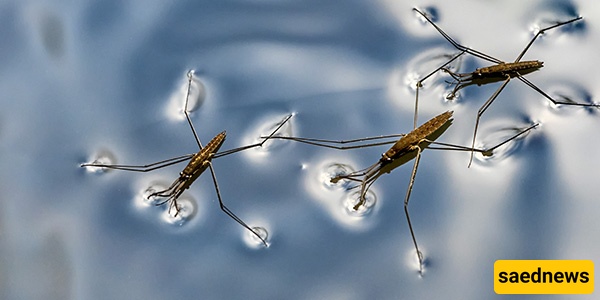
This aquatic insect is one of those that is distinguished from other insects due to its ability to walk on water. It also has hydrophobic legs, which increase the surface tension of the water for it and allow it to distribute its weight across its legs. Its movements also enable it to easily glide in circular motions on the water surface and move forward.
These spiders live near pools and lakes, where they search for food. They find their prey on the water’s surface waves and can easily move across the surface of the water to hunt. Their ability to move on water allows them to quickly hide anywhere on the water surface they want and escape from predators. Most spiders feed on insects, but larger species can also hunt fish, frogs, and many toads.
These spiders can easily walk on water due to their light body weight and hydrophobic legs. They only need to keep their legs slightly raised. The short hairs on their bodies help form air bubbles around them when they are submerged, allowing them to stay just below the water surface. They are capable of holding this position for up to an hour.
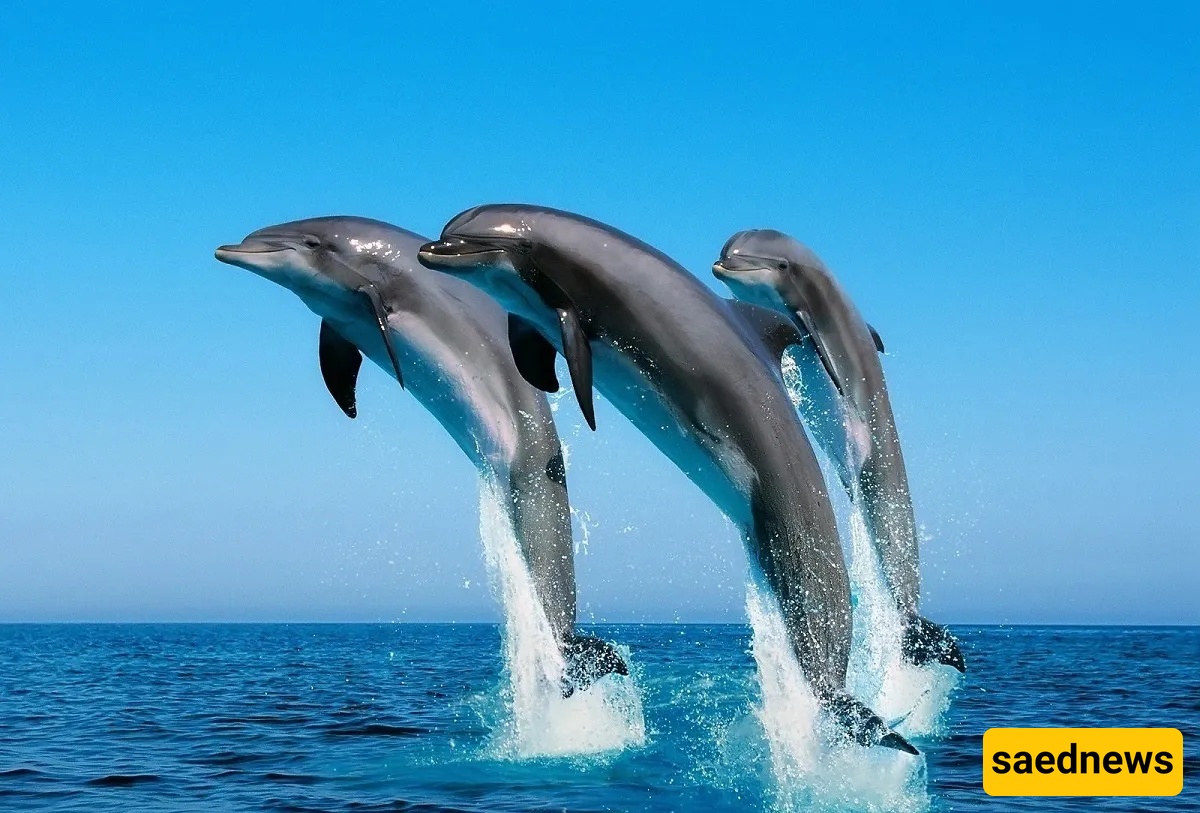
Dolphins cannot walk on the surface of water like legged animals, but they are able to perform smooth, graceful movements over waves thanks to their long fins. Unlike other animals that use the ability to walk on water, researchers believe dolphins do this mainly for fun, in a way that resembles human playful movement. They move using their long tails; however, their ability to perform such coordinated motions on water is usually developed when they are trained by humans.
These ducks have unique abilities as well as beautiful appearances, which allow them to move across water with their mates. They propel their bodies forward while lifting their feet slightly higher so they can move on the water surface. Their partners usually accompany them on this journey, and they can take about 22 steps per second. These birds spend almost their entire lives in water. They have short wings, and their legs are not strong enough to allow them to walk on land properly.
This seabird, like other animals mentioned, does not actually walk on the water surface, but behaves in a way that makes it appear as if it does. In reality, this bird moves very close to the water surface and feeds on materials and insects found on the water, creating the illusion that it is walking on water. Its legs are extremely weak and cannot support its weight for more than a few steps on land.