SAEDNEWS: Pouring lemon juice into the toilet may seem surprising to many people because they are unaware of its remarkable effects in bathroom cleaning.
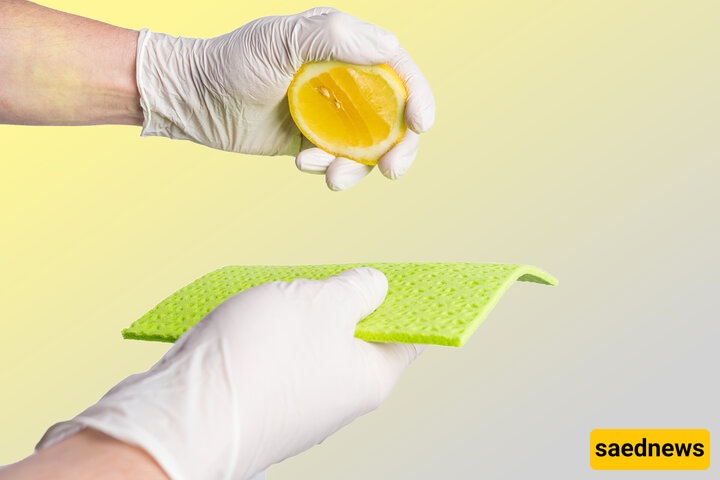
According to SAEDNEWS, The bathroom is one of the most contaminated areas in the home, and its cleaning is very important and often more difficult than other parts of the house. To clean the bathroom, strong chemical compounds and detergents can be used; however, natural mixtures and cleaners that do not damage the surface or color of the bathroom fixtures and do not intensify bad odors in the toilet are a better choice. In this section of lifestyle and home-care secrets from Namnak, we will teach you how to clean your bathroom with lemon so that you can easily and safely get rid of stains and dirt without harming your health.
Pouring lemon juice into the toilet to remove grime
It seems that lemon juice, due to its acidic nature, is an excellent product for getting rid of toilet stains as well as water deposits. By using the methods introduced, you too can clean this important part of your home with lemon, just like many experienced homemakers.
Method 1:
If there are tough stains, pour lemon juice directly on them and let it sit for a few hours or even overnight, depending on how stubborn the stains are.
Lemon juice can also be used to clean the toilet tank, helping to prevent staining in the first place. Even the base of the toilet can get dirty, so you can soak a toothbrush in a mixture of lemon juice and distilled white vinegar and scrub that area thoroughly.
Method 2:
To remove toilet grime, mix half a cup of baking soda with two tablespoons of hydrogen peroxide and the juice of one lemon. Hydrogen peroxide and lemon juice have disinfecting properties, while baking soda helps break down buildup. Once a week, apply this paste inside the toilet bowl, scrub it with a brush, and rinse it off after 20 minutes.
Method 3:
To remove stains from toilet surfaces, mix half a cup of apple cider vinegar with half a cup of lemon juice. Pour the mixture onto the toilet surface, spread it using a brush, and after 10 minutes, rinse the toilet and enjoy the result.
Removing Soap Scum
Soap scum is a white or gray layer that covers bathroom tiles, toilets, shower curtains, bathroom fixtures, and floors. The minerals in tap water combine with dirt and soap residue in the bathtub, shower, or sink, forming a film on tiled surfaces.
To remove soap scum from bathtubs, tiles, toilets, and other surfaces, rub a sliced lemon directly on the area so that the acid in the lemon helps break down bacteria and dirt in the soap residue. To keep these areas free from soap scum, rinse them thoroughly after each use to prevent bacterial growth.
Removing Rust Stains
Rust creates an unpleasant brown stain on bathroom and toilet fixtures. Removing these stains early is important because they can become very stubborn and may even stain clothes if accidentally touched.
Rubbing lemon can remove many rust stains from sinks, bathtubs, and even bathroom faucets. Simply rub half a lemon directly on the stains and allow it to help loosen and lift them.
Lemon Juice and Laundry Detergent Paste
Rust stains can be removed more quickly with the help of salt. Painting iron surfaces can prevent rust because it keeps the metal from being exposed to oxygen, but this is not always a practical option.
For stubborn rust stains, make a paste from lemon juice and laundry detergent powder, then apply it using a scrubbing sponge and rub the surface well before rinsing. Toilet stains can also be removed using this same paste. The detergent powder helps eliminate stains and restores the original appearance of sinks, bathtubs, and toilets.
Cleaning Bathroom Faucets
To clean and polish bathroom faucets, you need lemon and salt. Cut a lemon in half, dip it in salt, and then rub it directly on the faucets. The acid in the lemon, combined with the abrasive action of salt, effectively removes dirt and grime from metal surfaces and makes them shine.
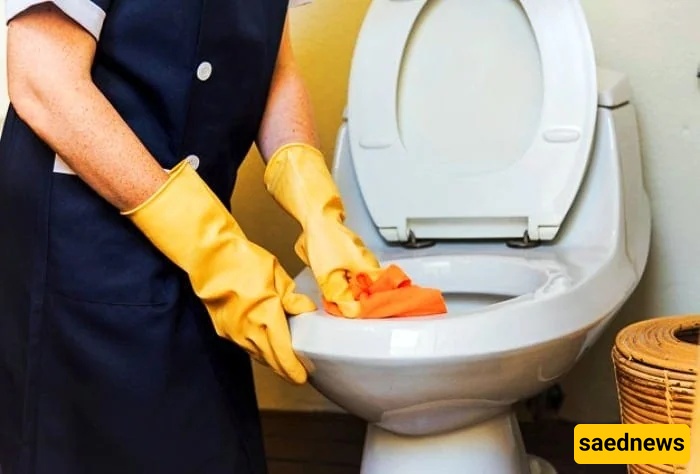
Mineral and Mold Cleaner
Mold thrives in dark, warm, and humid environments, which is why showers and bathtubs are especially prone to this common problem. Excessive exposure to mold can be harmful to the family and may cause respiratory issues.
To remove stains and mold from shower curtains and bathroom areas, first soak the curtain in salt water for 15–20 minutes and hang it to drain excess water. While the curtain is still damp, clean the stains using lemon juice.
Homemade Glass Cleaner
No matter how your home is decorated, there are likely glass surfaces on furniture and accessories that easily become dirty when touched.
You can make your own glass cleaner using 3 tablespoons of lemon juice, 1/2 cup of alcohol, and 1/4 teaspoon of dishwashing liquid. Add all ingredients into a spray bottle, fill it with water, and shake well to mix. Then spray it on glass surfaces such as bathroom mirrors, glass tables, and more.