Saed News: When it comes to architecture and design, luxury hotels, record-breaking swimming pools, and impressive libraries usually take center stage; however, one of the most essential spaces we all need every day—public restrooms—is often overlooked.
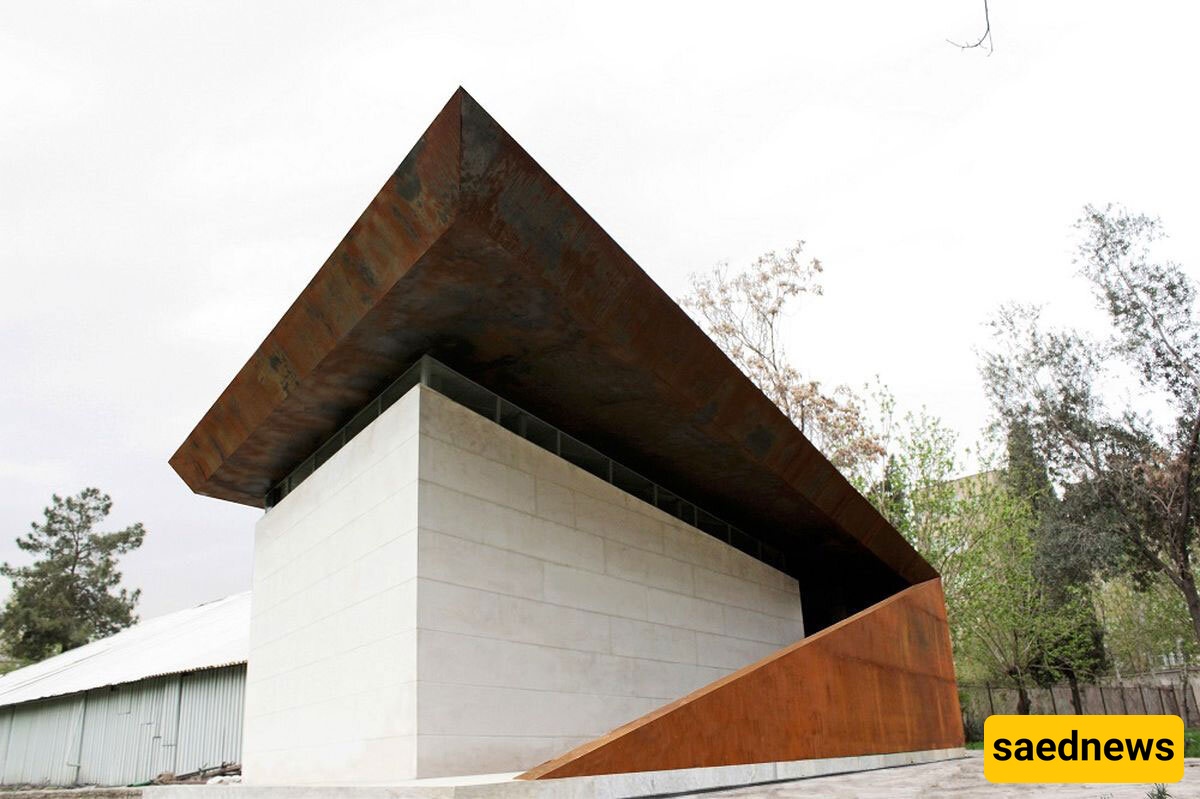
According to SAEDNEWS, citing Faradeed, public restrooms are not usually considered architectural masterpieces. But these spaces do not necessarily have to be dirty, cold, concrete places that create an unpleasant feeling.
Architects, artists, and designers around the world have managed to combine aesthetics with functionality, creating creative, attractive, eco-friendly, and pleasant public restrooms. Below is a look at some of the most beautiful public toilets in the world.
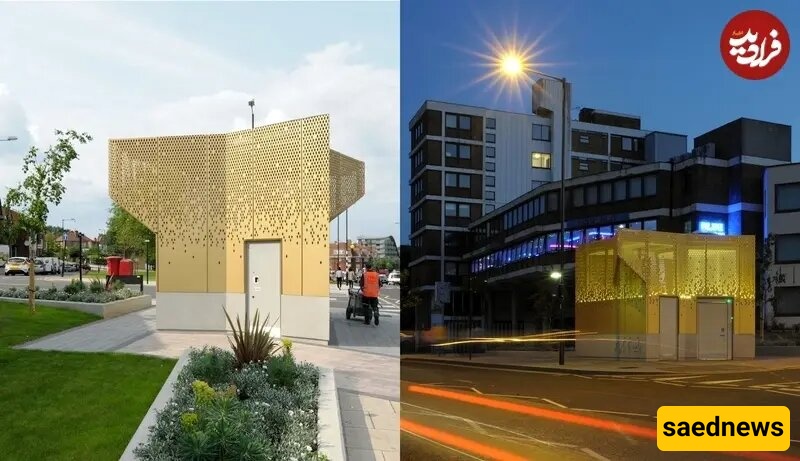
This restroom, located near Wembley Stadium in London, was designed in 2013 by the architecture and urban design office “Gort Scott.” The building, with its unique geometric form, is placed in a busy corner within a green pedestrian area.
Inside the building, there are four toilet units, an accessible toilet for people with disabilities, and a hidden tank behind a mirror for collecting rainwater used in flush systems.
The building is about five meters high and has a concrete base. The outer walls are made of golden aluminum panels, with diamond-shaped perforations in the upper half. This design provides both light and ventilation while maintaining privacy. At night, interior lighting gives the structure a luxurious and unexpected appearance, making it easy for passersby to notice.
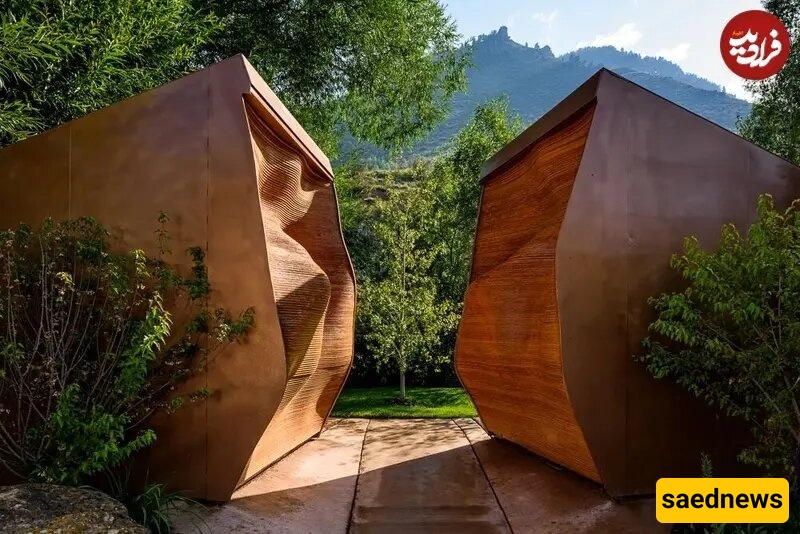
This restroom is located in the small town of Minturn in Colorado and is a striking combination of art and architecture in nature. Built in 2015, the project is inspired by the mining history of the region.
The male and female restroom entrances are designed to resemble underground mine openings in the Rocky Mountains. The structure was built using 320 wooden pieces and 3D printing technology, with copper-colored walls. This project is considered a successful example of functional art and won the 2015 award for best public restroom in the United States.
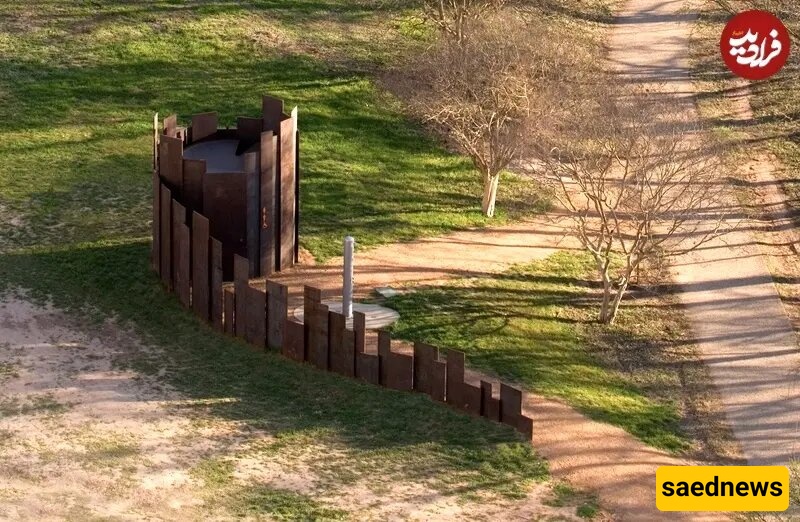
This public restroom is located in Austin, Texas, and is the first restroom built in 30 years along the “Lady Bird Lake” walking and cycling trail, which runs along the Colorado River.
Designed in 2007 by “Miró Rivera Architects,” the structure combines sculpture and functionality. The exterior walls consist of 49 steel panels of varying heights that naturally develop a rusted appearance over time. These panels follow the natural curve of the landscape and form a spiral shape that houses a unisex, universally accessible restroom.
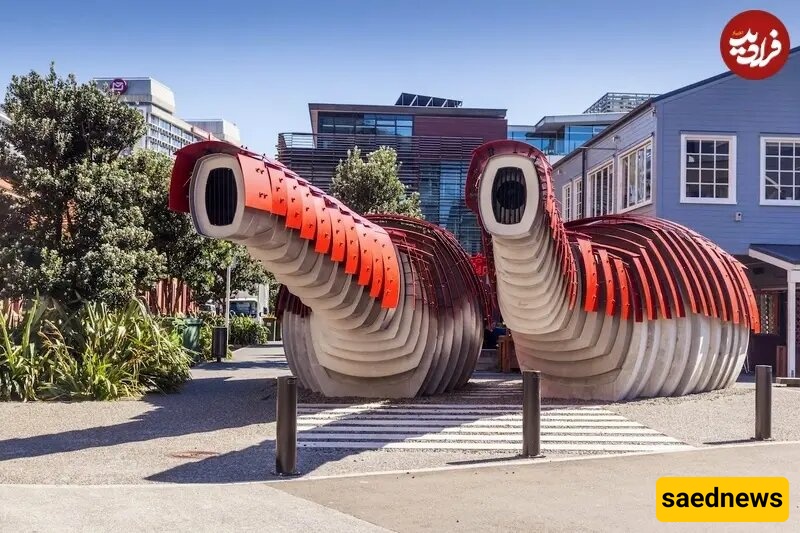
The public restrooms located at Queens Wharf in Kumutoto, Wellington, are among the most striking examples. Designed in 2011 by “Studio Pacific Architecture,” they have a sculptural, unusual appearance, often compared to structures from the SpongeBob universe and nicknamed “crab toilets.”
Red steel shells sit on concentric concrete rings, forming two separate units. Each structure ends in a suspended tail containing a louvered window for ventilation. Each building also includes an accessible restroom.
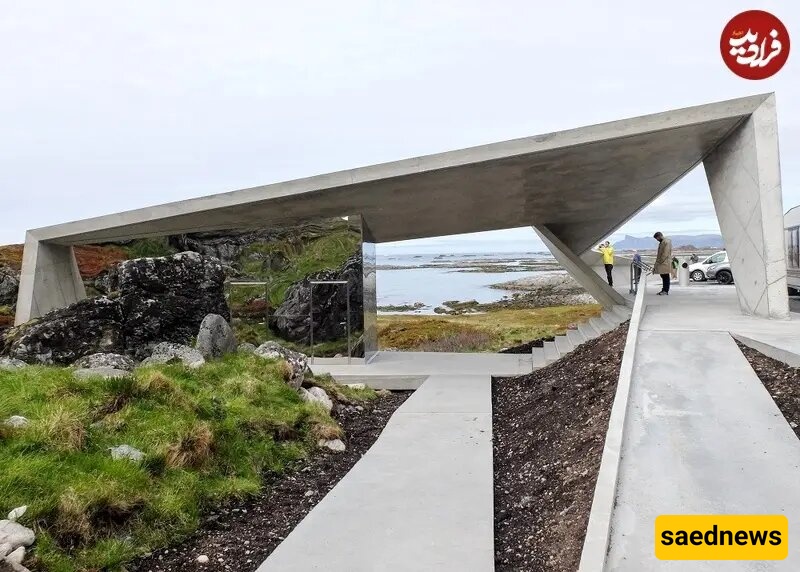
This rest area is located along the scenic Andøya route in northern Norway and was designed in 2018 by “MORFEUS Architects.” The design reflects the harsh and beautiful nature of the region, with forms and materials that blend with the surrounding rocky landscape.
The restroom building is made of folded concrete panels and features one-way mirrors so users can enjoy the natural view while inside. The project is part of a larger complex including benches, walking paths, a pedestrian bridge, service facilities, and parking.
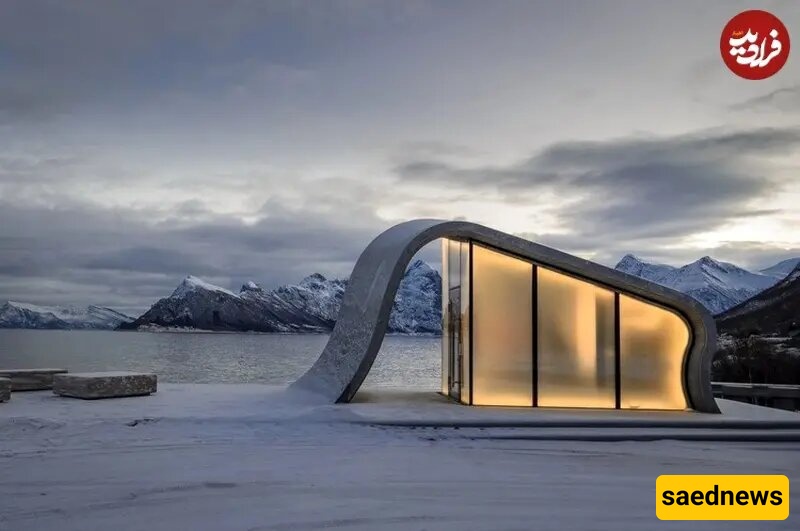
This facility is located along the coastal route of Helgelandskysten and was designed in 2018 by “HZA.” The area is famous for its stunning views of islands, fjords, and the northern lights.
The restroom building features a wave-shaped roof and is part of a redevelopment project commemorating World War II in the region.