SAEDNEWS: The color and intensity of kitchen lighting may affect mood, eating habits, and the overall dining experience. Different light tones can change how food looks, how comfortable people feel while eating, and how appealing meals appear.
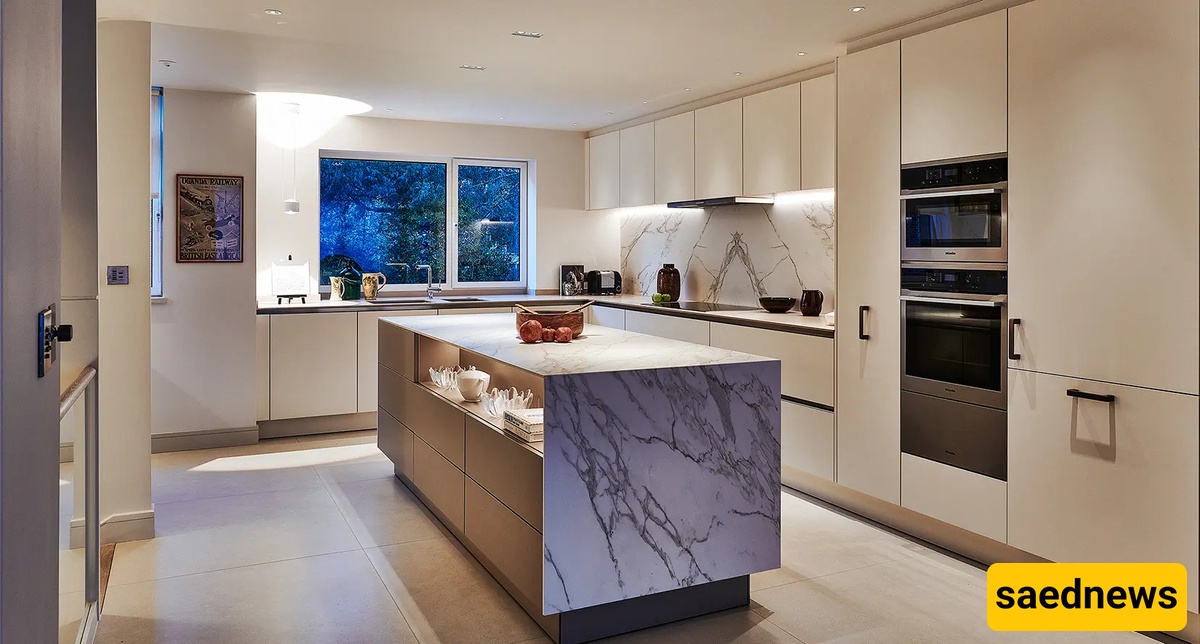
According to SAEDNEWS, kitchen lighting plays an important role in creating an atmosphere that can influence appetite and eating behavior. The color of light can affect emotions, comfort, and the way people perceive their meals. A pleasant kitchen environment may encourage a more enjoyable eating experience.
Warm-colored lighting often creates a cozy and welcoming feeling in the kitchen. It can make meals appear more inviting and help create a relaxed environment during family meals. Many people prefer softer light because it can make the dining space feel comfortable and peaceful.
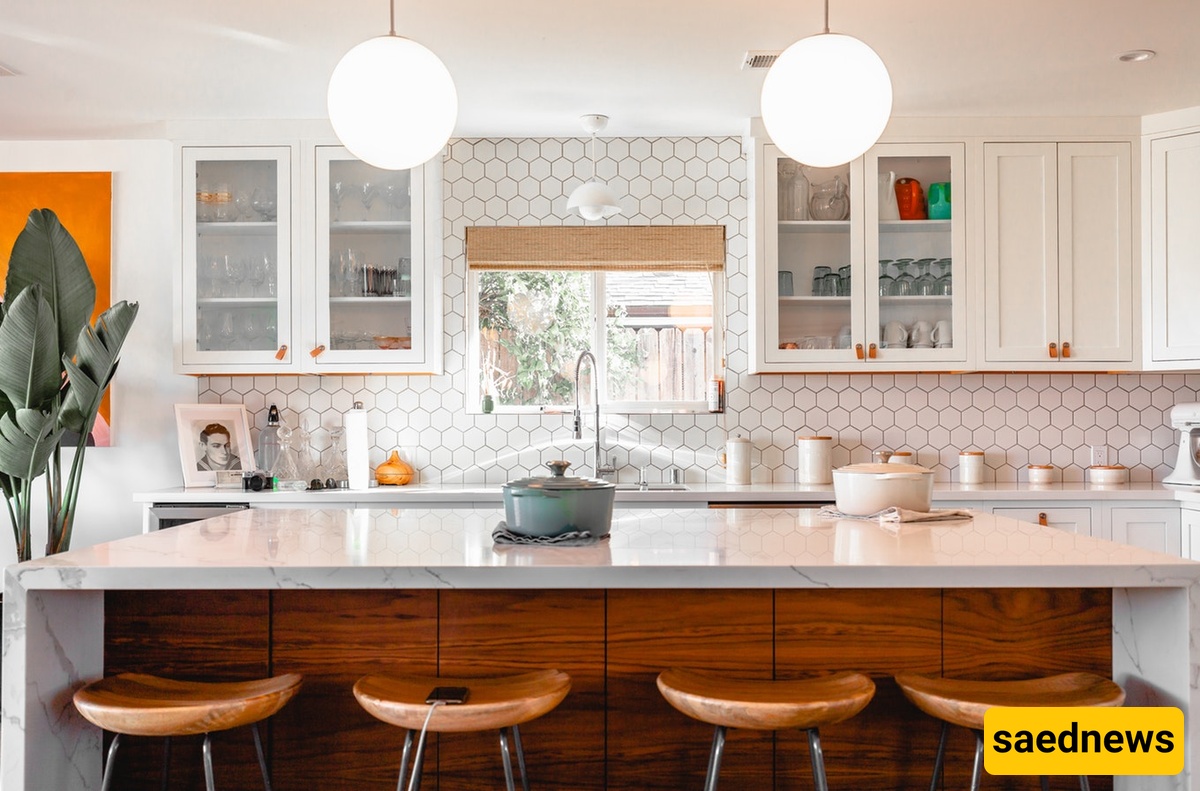
Cooler lighting can create a cleaner and more energetic atmosphere. However, very bright or cold-toned light may sometimes make the kitchen feel less relaxing. The balance between brightness and color temperature is important for creating a space where people feel comfortable preparing and enjoying food.
Lighting can change how colors and textures of food are perceived. Proper kitchen lighting helps meals look fresh and appealing, while unsuitable lighting may reduce visual attractiveness. Since appearance influences expectations, the right light choice can contribute to a better dining experience.
Selecting suitable kitchen lighting depends on personal preference, kitchen design, and daily habits. A combination of comfortable brightness and natural-looking tones can create a pleasant space. While lighting alone does not determine appetite, it can support a positive atmosphere that makes meals more enjoyable.