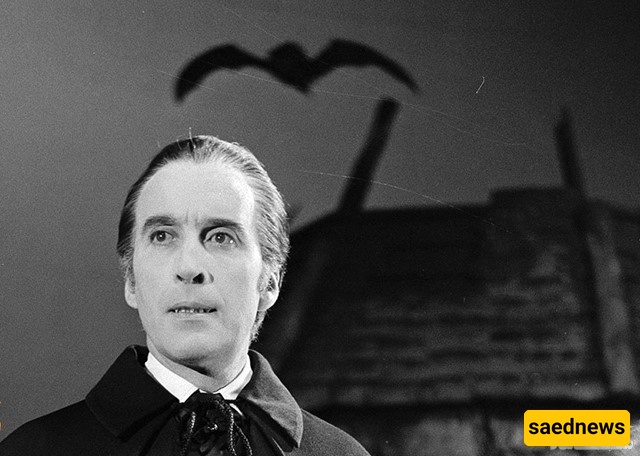
SAEDNEWS: A vampire is a creature from European folklore that feeds on the blood of living beings. It is believed to be immortal and often associated with causing harm or death to its victims. These pale figures became widely known in the early 19th century.

According to the Society section of Saed News, Dracula is likely the most famous vampire of all time, and it is often said that “blood is life.” One possible way to protect against vampires is to throw seeds or hang a fishing net from a window. Vampires would get trapped in the net or distracted by the seeds until sunrise.
Historical stone structures called dolmens have been discovered on graves in northwestern Europe. Archaeologists believe these stones were intended to prevent vampires from rising from their graves.
There is a rare disease called porphyria, sometimes associated with the idea of “vampire disease” or Dracula syndrome. It causes symptoms such as extreme sensitivity to sunlight and itching, and in severe cases the teeth may turn reddish-brown. Patients with this condition were sometimes believed to become insane.
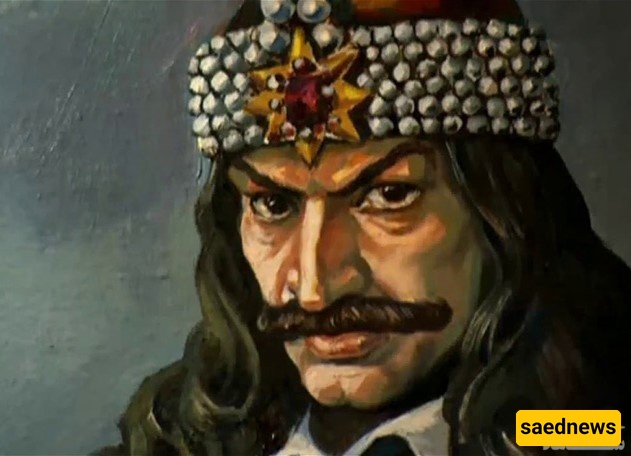
Vampire legends may have been inspired by Vlad of Wallachia, also known as Vlad the Impaler. He lived between 1431 and 1476 and was known for brutal practices such as nailing hats onto people’s heads, flaying victims alive, and impaling them on wooden stakes. He was also said to dip bread into the blood of his enemies before eating it. The name Vlad means “son of the dragon,” and he is historically associated with Dracula. Although he was killed in 1476, his burial site is said to be empty.
There are medical conditions in which people have been accused of being vampires. These include haematodipsia (an intense thirst for blood) and hemeralopia (day blindness). Anemia was often mistakenly interpreted as evidence of a vampire attack.
One of the most infamous individuals linked to vampire legends is Elizabeth Báthory, who lived between 1560 and 1614. She was accused of biting girls, torturing them, and bathing in their blood to preserve her beauty. She was also considered a very beautiful woman.
One of the earliest references to vampire-like beings dates back to the Sumerians and Babylonians around 4,000 years ago. These texts describe the ekimmu, a spirit or demon that had not been properly buried and returned to life as a vengeful being.
According to the ancient Egyptian Book of the Dead (Pert em Hru), if one of the five parts of the soul did not receive proper offerings, it would leave its tomb and consume blood to satisfy its needs. The Egyptian goddess Sekhmet was also associated with drinking blood. In Hindu mythology, the goddess Kaliof was similarly linked to blood consumption.
Many researchers believe the word “vampire” originates from the Hungarian vampir or related Slavic terms such as upior and upyr, meaning witch or undead being. Others trace it to the Greek nosophoros, meaning “plague bearer.” The term has many linguistic variations across cultures, showing how deeply the concept is rooted in human imagination.
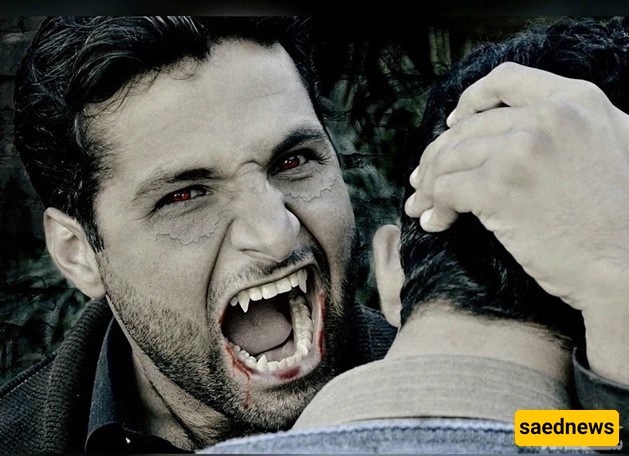
Chinese vampires, known as jiangshi, are described as having red eyes and long claws. They are said to attack women, and as they grow stronger, they can fly, develop long white hair, and transform into wolves.
Although vampires and zombies are both classified as undead creatures, they differ significantly. Zombies have lower intelligence, prefer eating brains and flesh, can be seen in mirrors, move with decaying bodies, and are not necessarily afraid of sunlight or churches.
Vampires are often believed to control animals and can transform into bats, rats, owls, deer, foxes, or wolves.
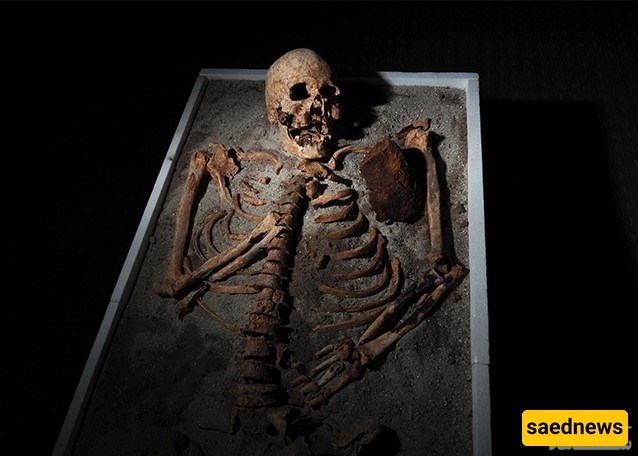
In 2009, a 16th-century female skeleton was discovered near plague victims, with a stone placed in her mouth. At the time, it was believed that placing stones in a suspected vampire’s mouth would prevent them from feeding on other plague victims. In Europe, women accused of being vampires were often blamed for spreading the plague.
According to various legends, if someone is bitten by a vampire, they may need to consume vampire ashes. To prevent attacks, people were sometimes advised to eat bread along with vampire blood.
Before Christianity, protective methods included garlic, hawthorn branches, scattering seeds, lighting fires, salt, crows, and burying suspected vampires. It was also common to bury bodies face down to prevent them from “returning.”
After the rise of Christianity, protective tools included holy water and crosses, although their effectiveness depended on belief.
The idea that sunlight destroys vampires is relatively modern. It may have been promoted in the United States in the 1950s as part of anti-guerrilla psychological strategies in the Philippines. However, in novels by Anne Rice and other vampire stories, many vampires are able to move during daylight.
In the mid-18th century, widespread nervous illnesses and unexplained injuries in Europe led authorities to pass laws for killing suspected vampires, resulting in public executions of people accused of vampirism.
In some cultures, drinking blood was believed to transfer a victim’s power to the vampire or allow transformation into animals. The color red also plays an important symbolic role in vampire rituals.

In parts of the Balkans, it was believed that fruits such as pumpkins and watermelons left for more than 10 days could turn into vampires. If blood was seen inside the fruit’s skin, it was considered vampiric.
One of the most popular modern children’s vampire stories is Bunnicula, about a rabbit that drinks plant juices.
Some historians have even suggested (incorrectly) that Prince Charles is directly descended from Vlad the Impaler.
In the late 20th century, more than 300 vampire films were made, over 100 of which focused on Dracula. Additionally, more than a thousand vampire novels have been published in the last 25 years.
In some legends, vampires can marry and move to other cities, where they may work normal jobs such as butchers or barbers.