SAEDNEWS: Philippine orchids are evergreen shrubs native to the regions of the Malay Peninsula, the Philippines, and Sumatra. In this article, we will review the care conditions for this beautiful flower.
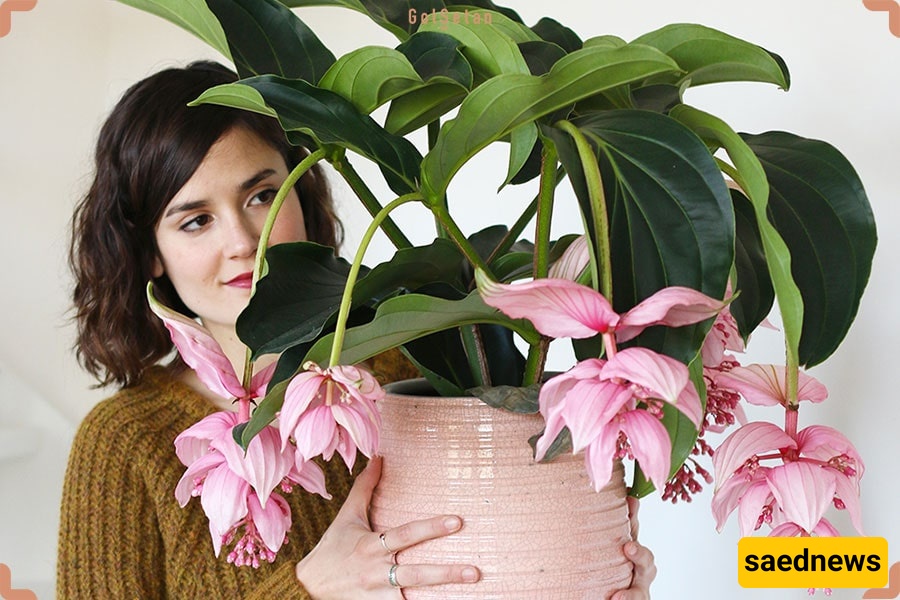
According to Saednews Malaysian orchid plants, sometimes referred to as the Philippine orchid, are evergreen shrubs native to the Malay Peninsula, the Philippines, and Sumatra. The leaves of this plant can reach up to 36 cm in length, and the plant itself may grow to a height of 1 to 1.5 meters. However, with pruning, excessive growth can be controlled. Its common name is “grape rose.”
The Philippine orchid, as its name suggests, originates from the Philippines and brings a unique beauty to your home environment with its distinctive leaves and pink flowers. You may have rarely seen leaves like those of this orchid—dark green leaves that hang from the flowers like earrings. Another name for this plant is the “glamorous orchid,” which suits its striking and attractive appearance.
In nature, the Philippine orchid is an epiphyte, meaning it grows in the cavities and crevices on the trunks of large trees. However, it does not take nutrients or food from the host tree. In warm regions, it grows as a perennial plant. Its strong, large leaves can store a significant amount of moisture, so the plant does not become thirsty easily. This orchid produces broad leaves several times a year.
During the growing seasons (spring and summer), the plant should be watered well, allowing the soil surface to dry slightly between waterings. In winter, watering should be reduced and only done when the soil is completely dry.
The frequency of watering depends on pot size and local climate conditions. In some cases, the soil may dry within a few days and require watering, while in other conditions it may take 7 to 10 days before watering is needed again.
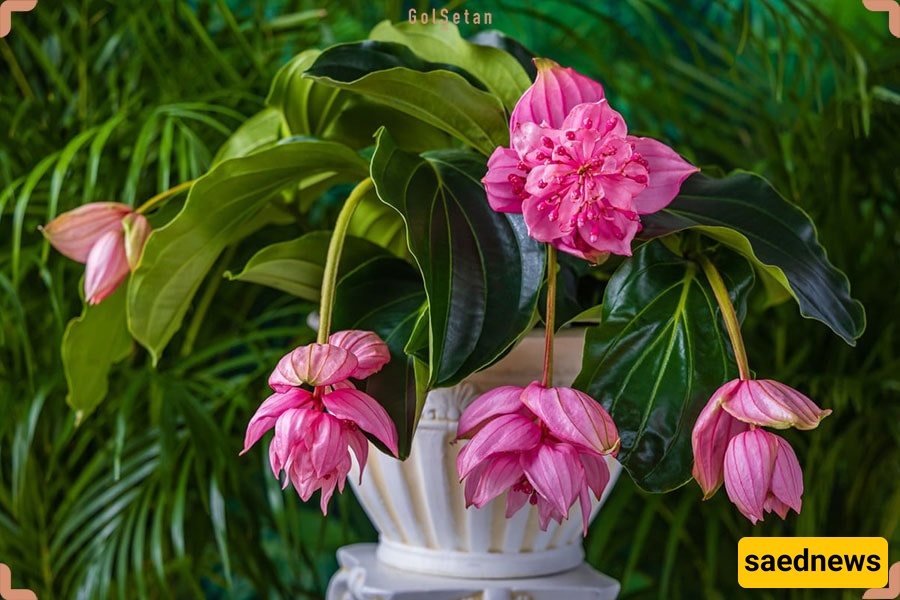
The Philippine orchid prefers bright sunlight but should receive filtered light. In winter, it still requires sufficient sunlight and may even tolerate direct sun. However, from spring to early autumn, it should not be exposed to direct sunlight, as this may burn the leaves. Instead, it should be placed in a bright area with indirect light.
A suitable location is near an east- or west-facing window.
The ideal temperature range for the Philippine orchid is between 18°C and 26°C. A slight drop in temperature at night can improve flowering and encourage new buds. However, temperatures below 15°C should be avoided, as they can damage or kill the plant—especially during winter or after flowering.
High humidity is very important for this plant. If your home has dry air, you should increase humidity using a humidifier or other methods such as misting or humidity trays to create optimal conditions.
During spring, summer, and autumn, the orchid should be fertilized every two months with a liquid fertilizer. A phosphorus-rich fertilizer such as 10-20-10 can improve flowering and increase the number of blooms.
The fertilizer should be diluted to half the recommended strength. For example, if one spoon is recommended per liter, use one spoon per two liters.
No fertilization is needed during winter.
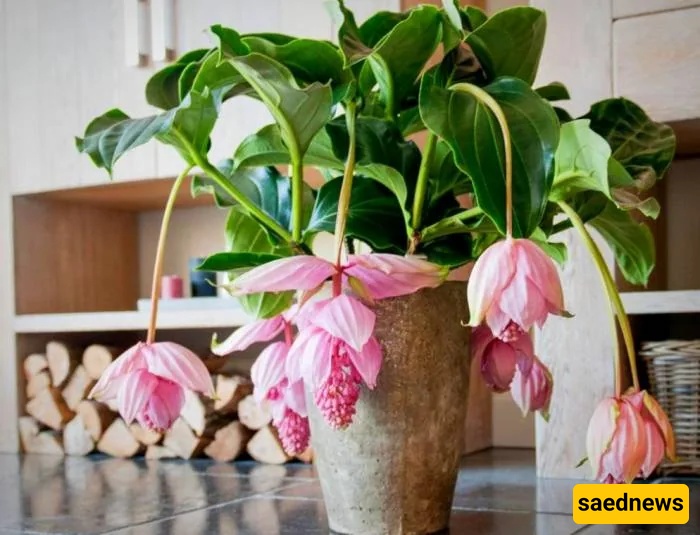
Propagation is usually done through cuttings, although orchid propagation is generally delicate and somewhat difficult. It is often recommended to purchase young plants instead of propagating them yourself.
The need for repotting depends on environmental conditions and plant growth. Common signs include roots growing out of the pot or slowed growth despite proper care.
Repotting should be done in spring. Care must be taken not to damage the roots. Choose a pot only one size larger than the previous one. After repotting, cover the soil surface with orchid-specific compost.
The Philippine orchid requires pruning. After the flowering period ends, remove extra leaves and branches to help the plant focus its energy on regeneration and healthier growth.
Seeds can also be used for propagation. Soak the seeds in a bowl of water until they germinate, changing the water daily. After germination, plant them in soil and cover the surface with powdered spinach to prevent disease. Keep the soil moist until sprouts emerge.
If the plant becomes infested with insects, clean it using cotton soaked in alcohol. In dry environments, spider mites may attack the plant. Increasing humidity usually resolves this problem.