SAEDNEWS: Small plants that match minimalist interior design styles, as well as popular vintage plants, are among the trending houseplants in 2026. Research has shown that people typically buy two new houseplants each month, and more than one-third of participants in the study said they cannot imagine living in a home without plants.
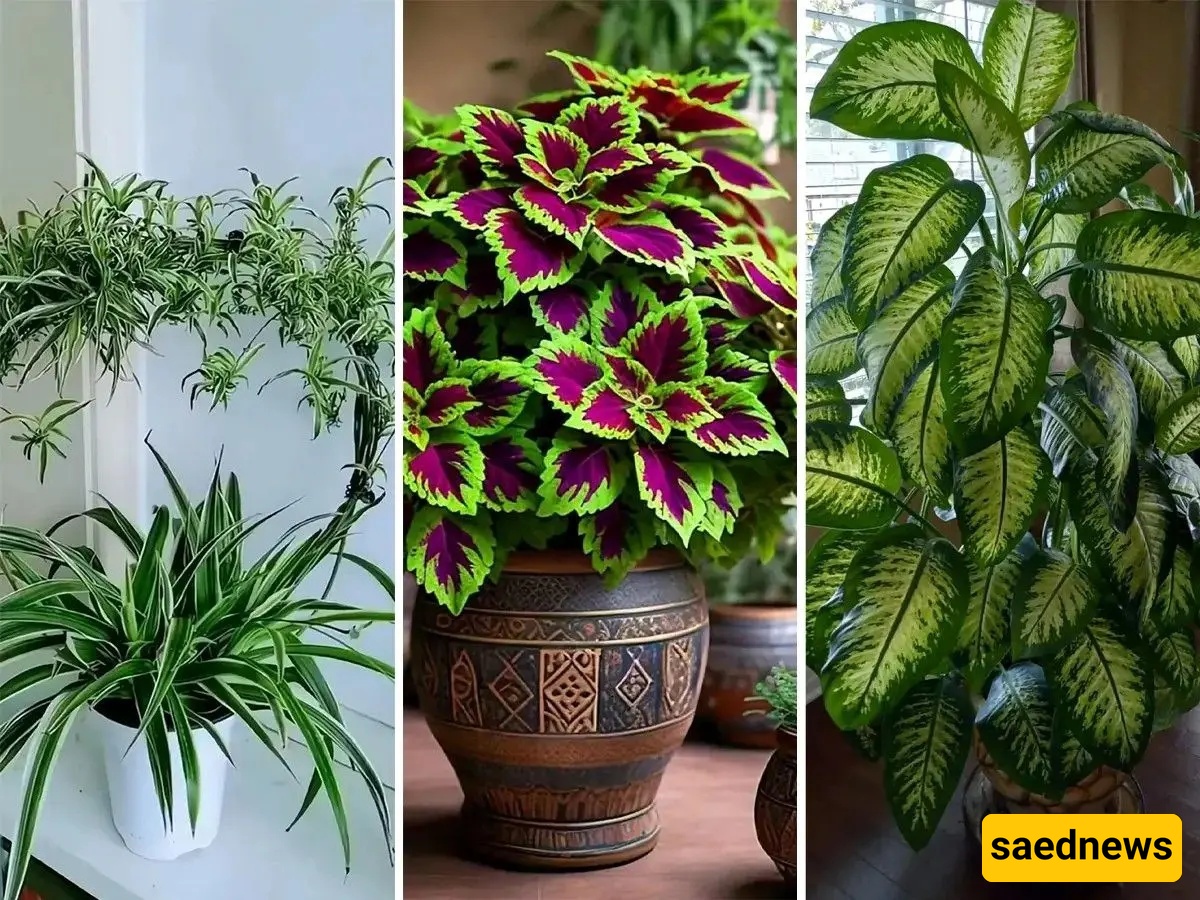
According to the Saed News plant and gardening service, indoor plants offer numerous benefits beyond their visual appeal, including air purification, improved productivity, and enhanced mood. With this in mind, DigiKala Mag has introduced the most popular indoor plants trending in 2025 for those looking to buy new plants.
Angela Slater, a horticulture expert at Hayes Garden World, says:
“Plants with interesting and colorful leaves are among the top trending houseplants in 2025.”
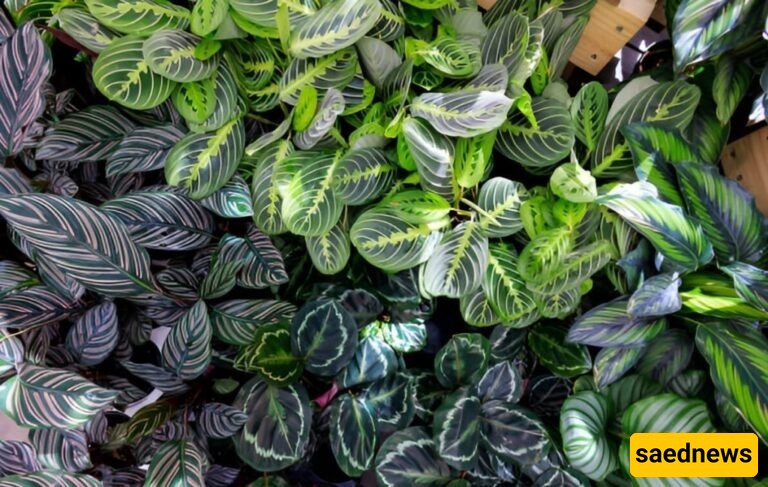
She predicts that varieties such as Calathea, Maranta, Colocasia, and Hypoestes will become even more popular in 2025.
Andy Little, houseplant buyer at British Garden Centres, also adds Philodendron to the list:
“Philodendron, with its striking foliage, makes it a unique piece for any interior space. Its health benefits and easy maintenance also make it popular among younger gardeners.”
Joe Lambell, founder of Beards & Daisies, says:
“With the rise of hybrid lifestyles (a mix of working and living at home), small houseplants are increasingly used to enhance desk spaces without overcrowding them.”
The ZZ plant is an excellent choice for small spaces like home offices. It is easy to care for, grows in low light, and brings freshness to your workspace.
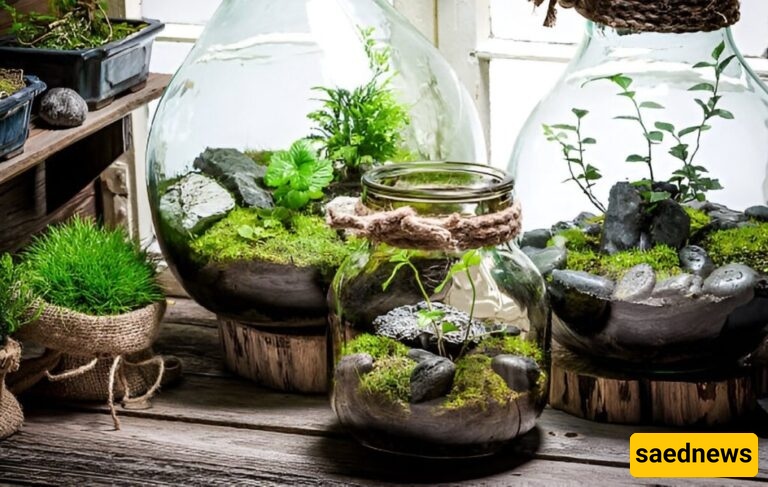
Small plants offer the same charm as larger ones but in a size that fits easily into compact corners of the home. Other popular small plants for 2025 include succulents, dwarf ferns, and terrariums.
The “more is more” philosophy of maximalism is also reflected in houseplant trends, favoring bold and eye-catching greenery.
Joe explains:
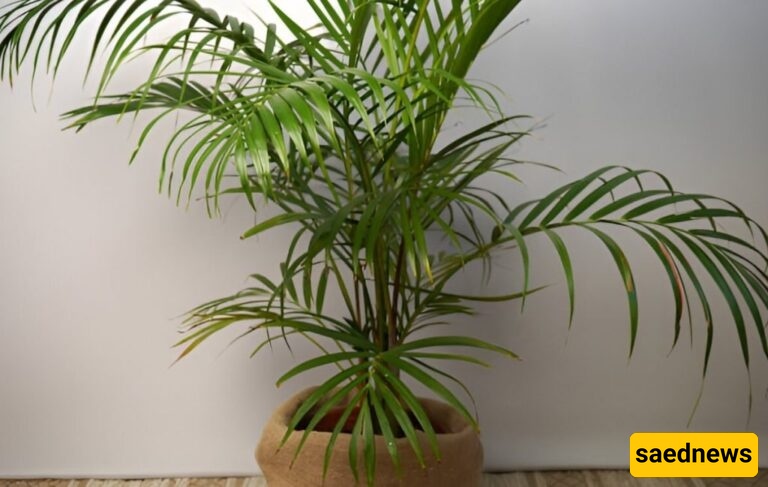
“We are seeing strong interest in statement plants as focal points, such as the Kentia Palm and the Fiddle Leaf Fig.”
Angela adds:
“The large leaves of Colocasia are perfect for creating the base of an indoor jungle.”
Maximalism continues to remain fashionable in gardening and interior design.
Say goodbye to delicate and high-maintenance plants. Easy-care varieties are making life simpler for busy people.
Angela predicts:
“As more beginner gardeners enter the houseplant world, reliable plants like spider plants, cacti, and succulents will sell well. They are quite difficult to kill and highly resistant to neglect. However, avoid overwatering cacti and succulents, as this can cause them to rot.”
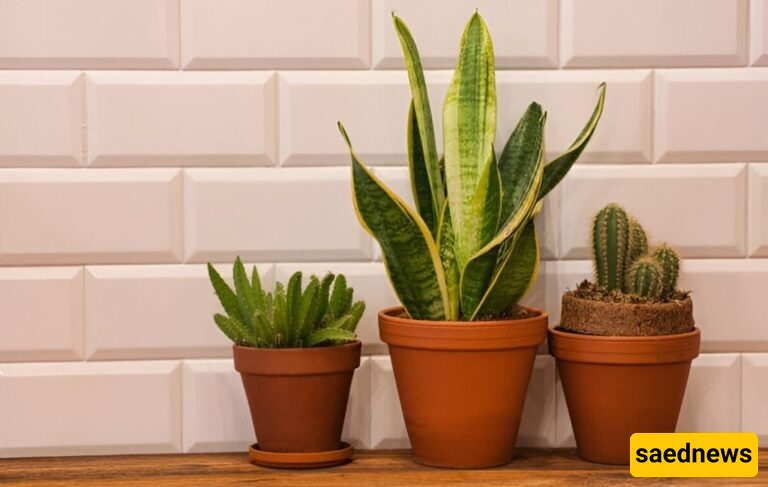
Joe explains:
“With natural materials and earthy tones enhancing comfort in 2025, air-purifying plants are becoming a perfect addition to our safe indoor spaces.”
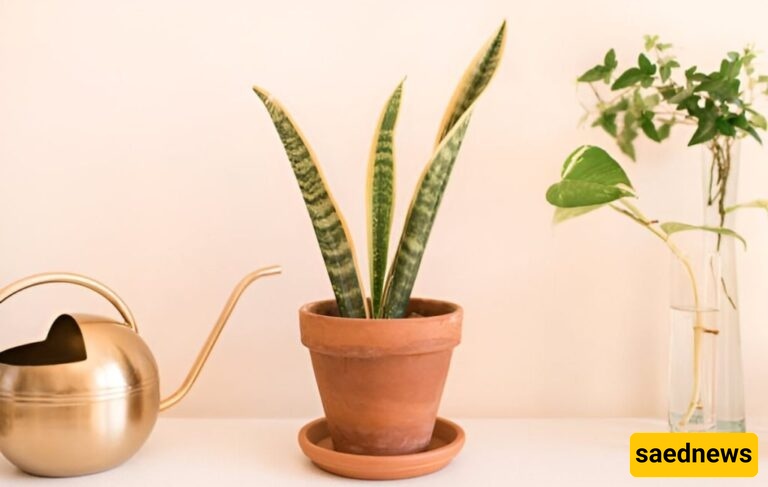
Air-purifying plants such as the Snake Plant not only support biophilic design aesthetics but also help reduce stress and improve indoor air quality.
This makes them one of the most important houseplant trends, especially for people living in large cities.
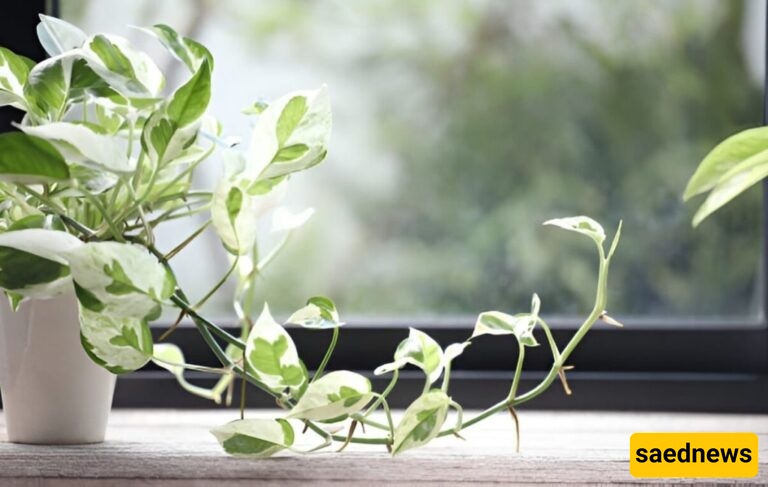
With cascading vines and lush foliage, trailing houseplants are ideal for adding dramatic visual effects to shelves, windowsills, and empty corners.
Joe says:
“Climbing and trailing plants add depth to our homes. Plants like Devil’s Ivy are ideal for creating vertical greenery or layering shelves. They add texture, depth, and a slightly unconventional look that we love.”
Maximalism: A design style that emphasizes bold colors, decorative richness, and abundant visual elements, in contrast to minimalism.
Calathea: A genus of tropical houseplants known for decorative, patterned leaves.
Maranta: A genus of patterned-leaf plants also known as “prayer plants” because their leaves move at night.
Colocasia: Large-leaf plants known as “elephant ears,” popular for their bold foliage.
Hypoestes: A genus of plants with colorful, spotted leaves, also known as “polka dot plants.”
Philodendron: A large group of houseplants with diverse leaf shapes; some are climbing, others upright.
ZZ Plant (Zamioculcas zamiifolia): A hardy, low-maintenance plant with glossy dark green leaves that tolerates low light and infrequent watering.
Succulents: A group of fleshy plants that store water in their leaves and stems, including cacti and aloe.
Terrarium: A sealed or semi-sealed glass container used to grow small plants in a self-contained ecosystem.
Kentia Palm: A decorative and resilient indoor palm that adds a tropical aesthetic.
Fiddle Leaf Fig (Ficus lyrata): A popular indoor plant with large violin-shaped leaves that requires bright light.
Spider Plant (Chlorophytum comosum): A hardy, fast-spreading plant known for air purification.
Cactus: A family of drought-resistant, spiny plants requiring minimal care.
Snake Plant (Sansevieria trifasciata): A very hardy indoor plant with upright leaves, known for air purification and low maintenance.
Biophilic Design: A design approach that connects people with nature through natural materials, light, and plants in built environments.
Devil’s Ivy (Epipremnum aureum): A trailing, low-maintenance plant that grows easily in low light and propagates quickly.