SAEDNEWS: Some people avoid eating leftover food because of personal preferences, concerns about freshness, and habits developed over time. Their choices may be influenced by taste, texture, food storage experiences, or a desire to always enjoy freshly prepared meals.
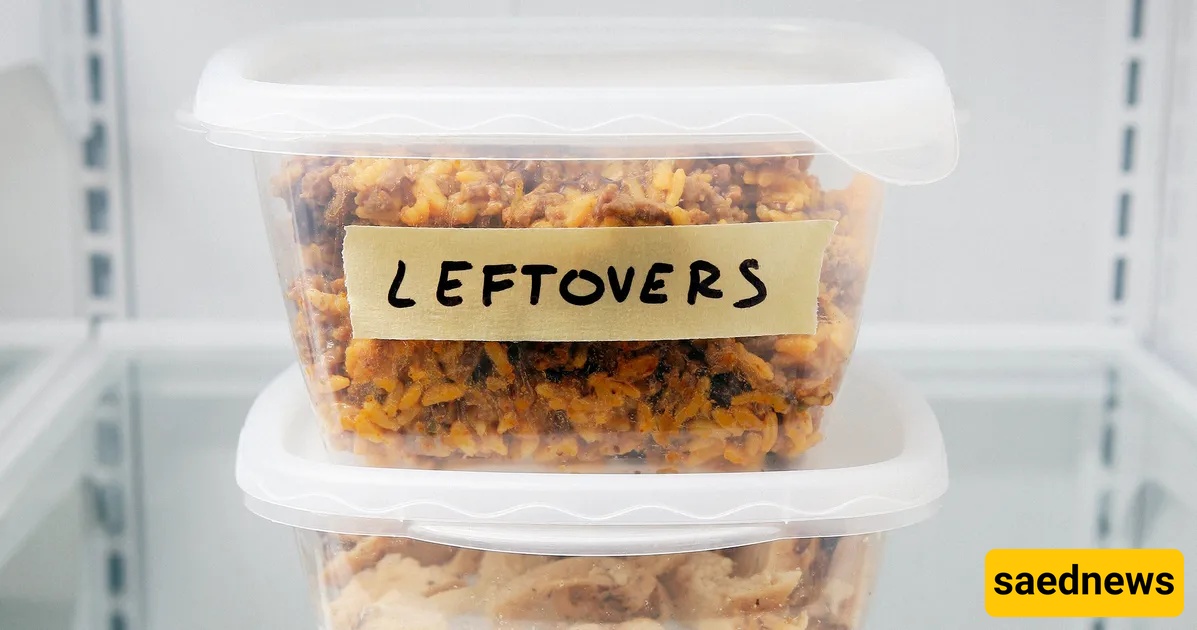
According to SAEDNEWS, some individuals choose not to eat leftover food because they believe fresh meals provide a better taste, texture, and overall eating experience. For these people, the feeling of a newly prepared meal is more enjoyable and can create a stronger connection with food.
One common reason people avoid leftovers is their concern about freshness. Even when food is stored properly, some individuals feel uncomfortable eating meals that have been prepared earlier. Changes in smell, appearance, or texture can make them lose interest in the food.
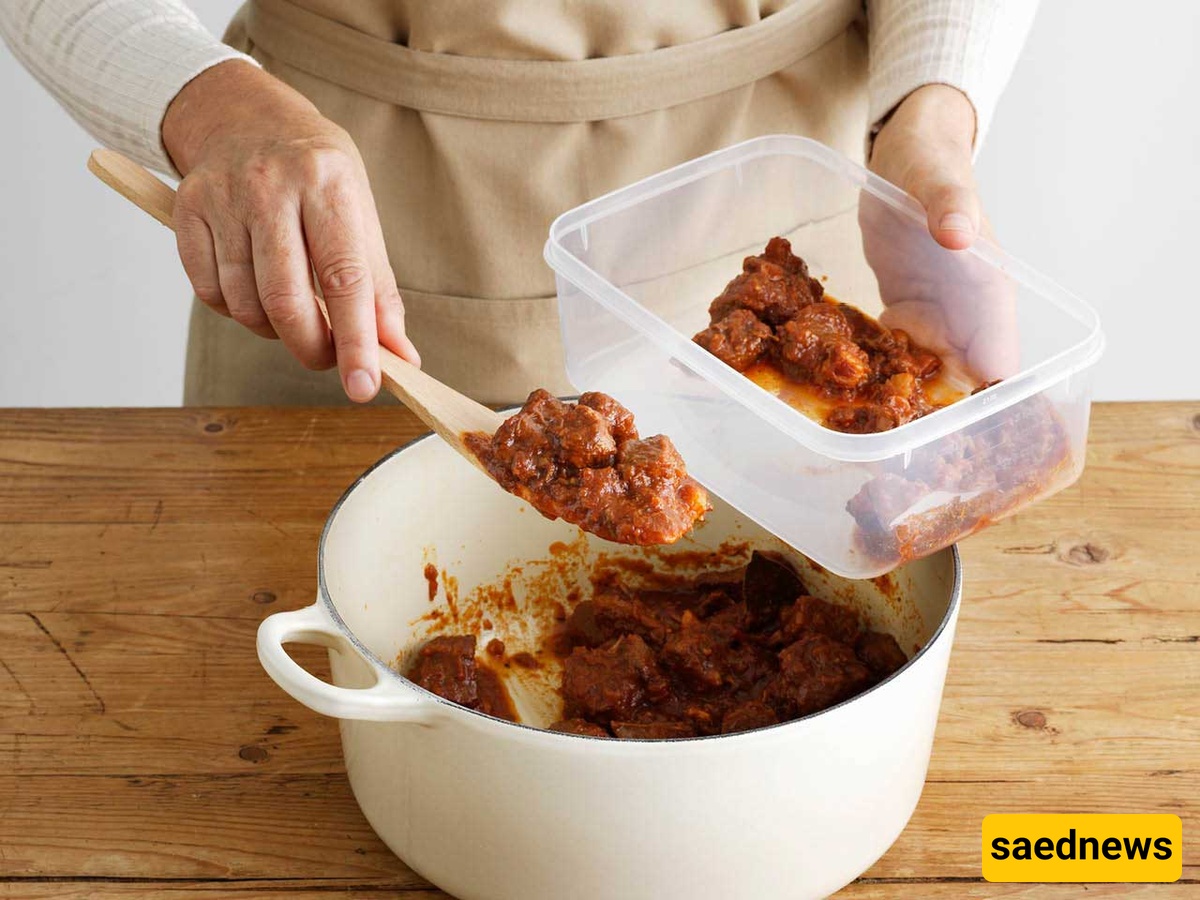
Food habits often develop during childhood and family life. People who grow up in homes where meals are always prepared and eaten fresh may continue this habit as adults. Their preference can become a routine that feels natural and comfortable.
Some foods may change after being stored, becoming softer, drier, or different in flavor. People with sensitive taste preferences may notice these changes more easily and prefer meals that are cooked and served immediately.
While some people avoid leftovers completely, others are comfortable eating them when food is handled and stored correctly. Keeping meals in suitable conditions and reheating them properly can help maintain quality and make them enjoyable for those who choose to eat them.
Avoiding leftover food is usually a personal preference rather than a universal rule. Some people value freshness above all, while others appreciate the convenience of prepared meals. Understanding these different habits shows how personal experiences can shape everyday food choices.